Astrophotography targets by month
Pick a month to see what is well placed in the night sky, then filter by object type, filter, focal length and hemisphere.
See what’s up tonight from my location68 targets
- Orion NebulaM42 · Emission nebula · OrionThe brightest nebula in the sky, a star-forming region in Orion’s sword.Nov · Dec · Jan · FebTelephoto, Small refractor, Long focal lengthAny filterBeginner
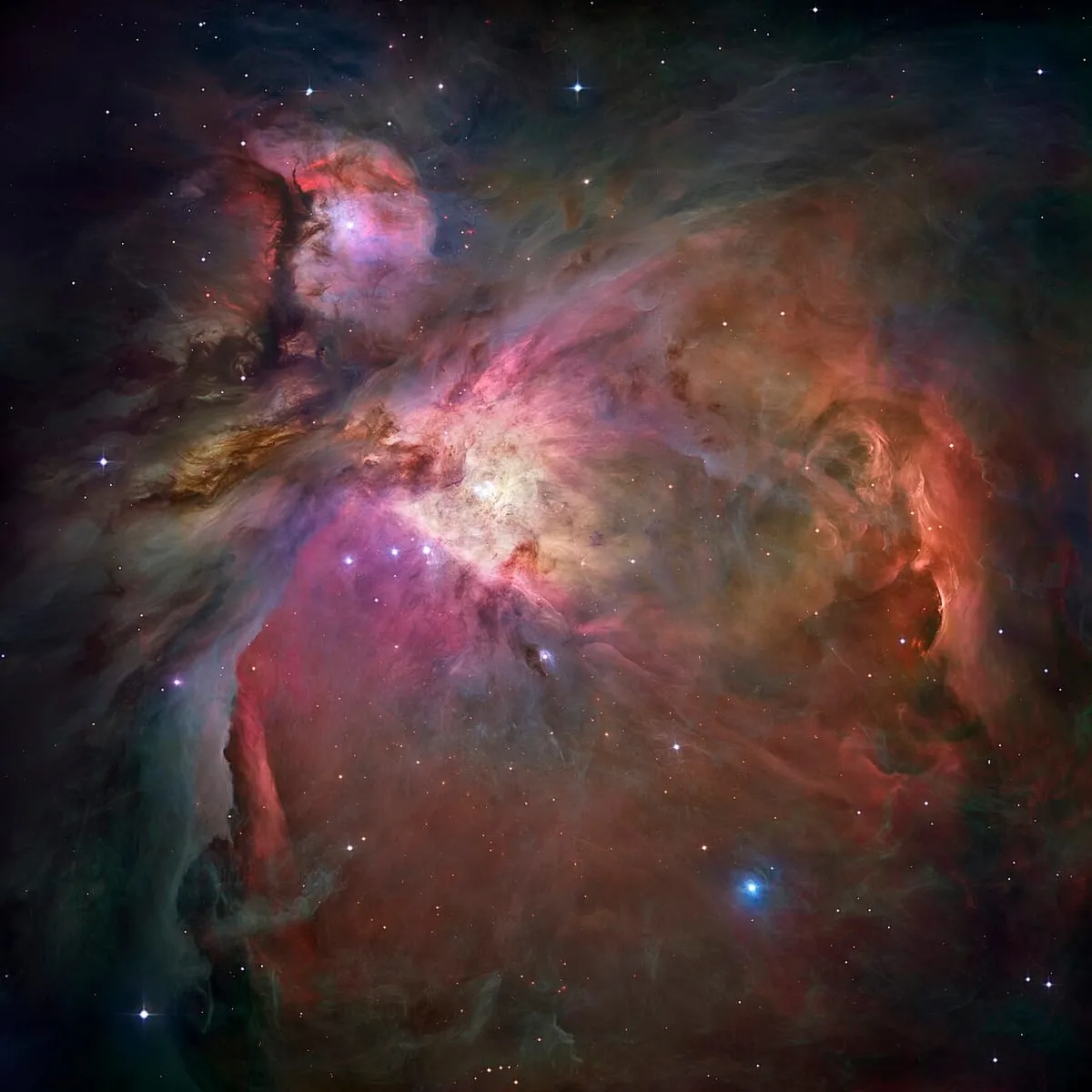
Photo byNASA, ESA, M. Robberto (Space Telescope Science Institute/ESA) and the Hubble Space Telescope Orion Treasury Project Team(Public domain)
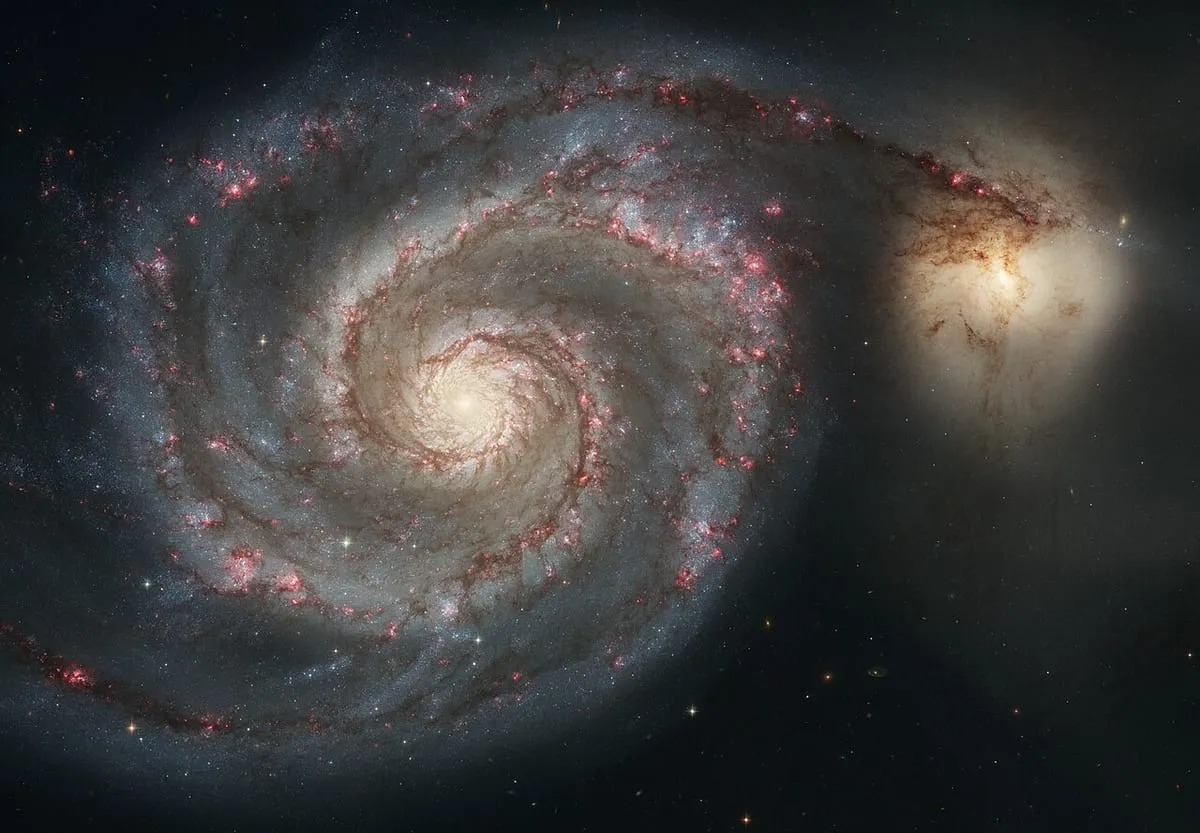
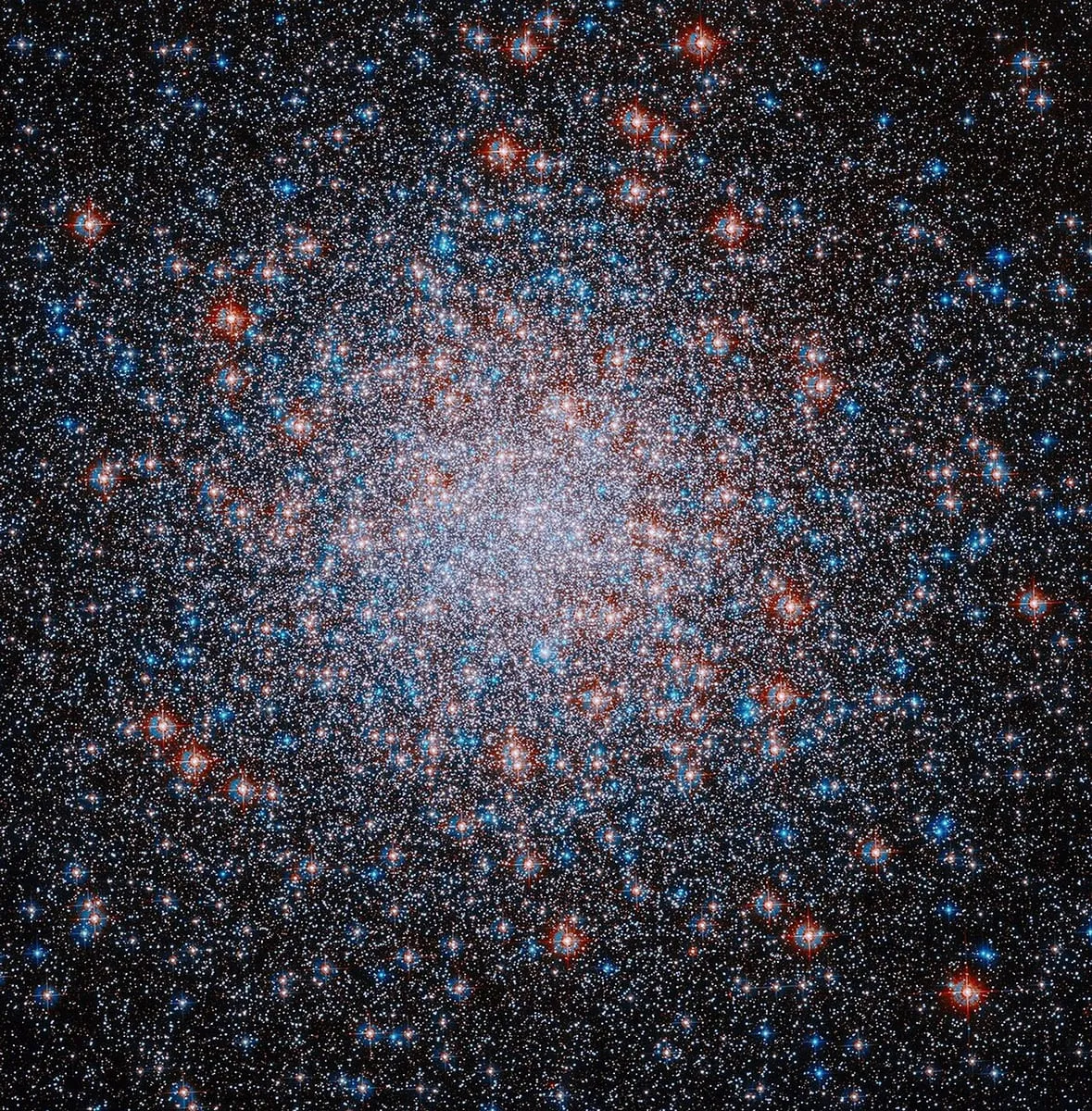
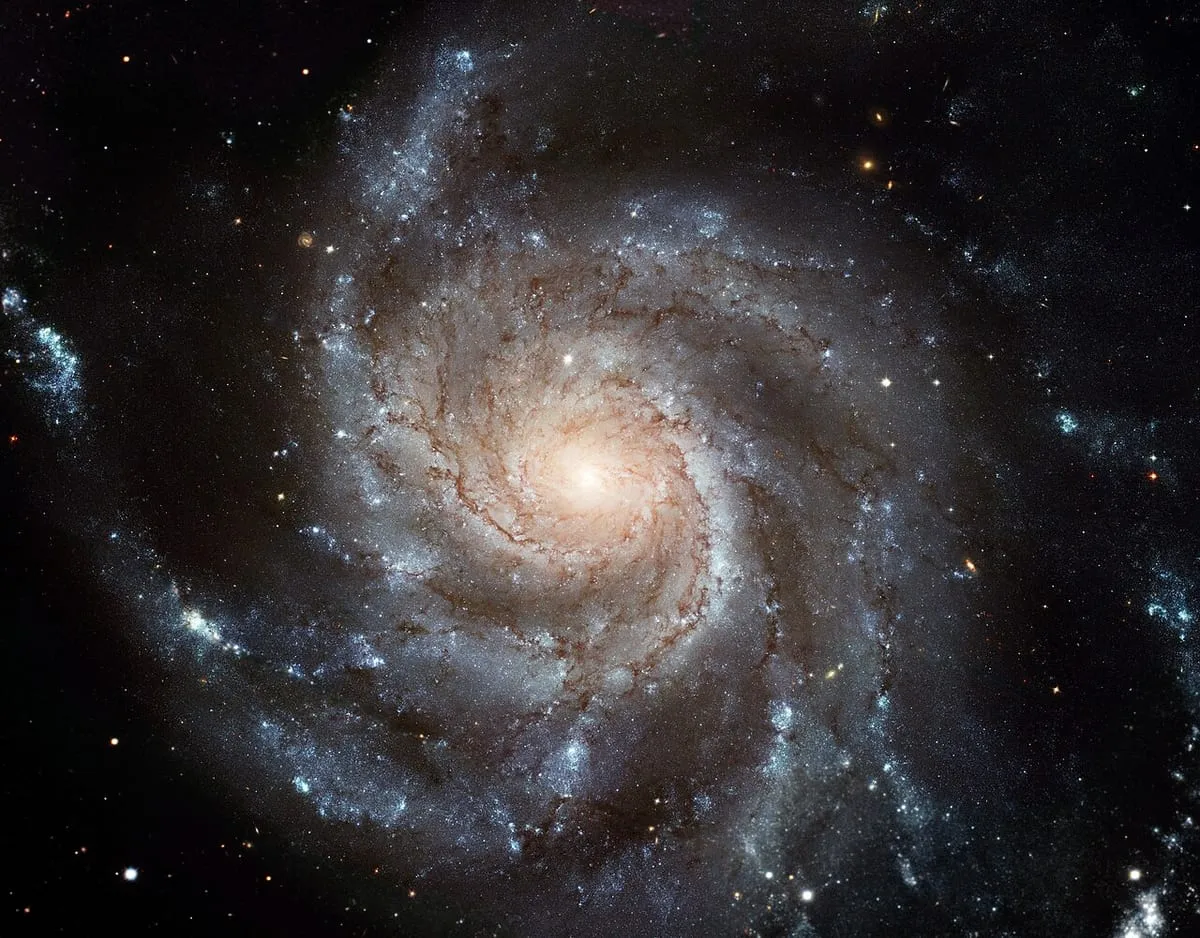
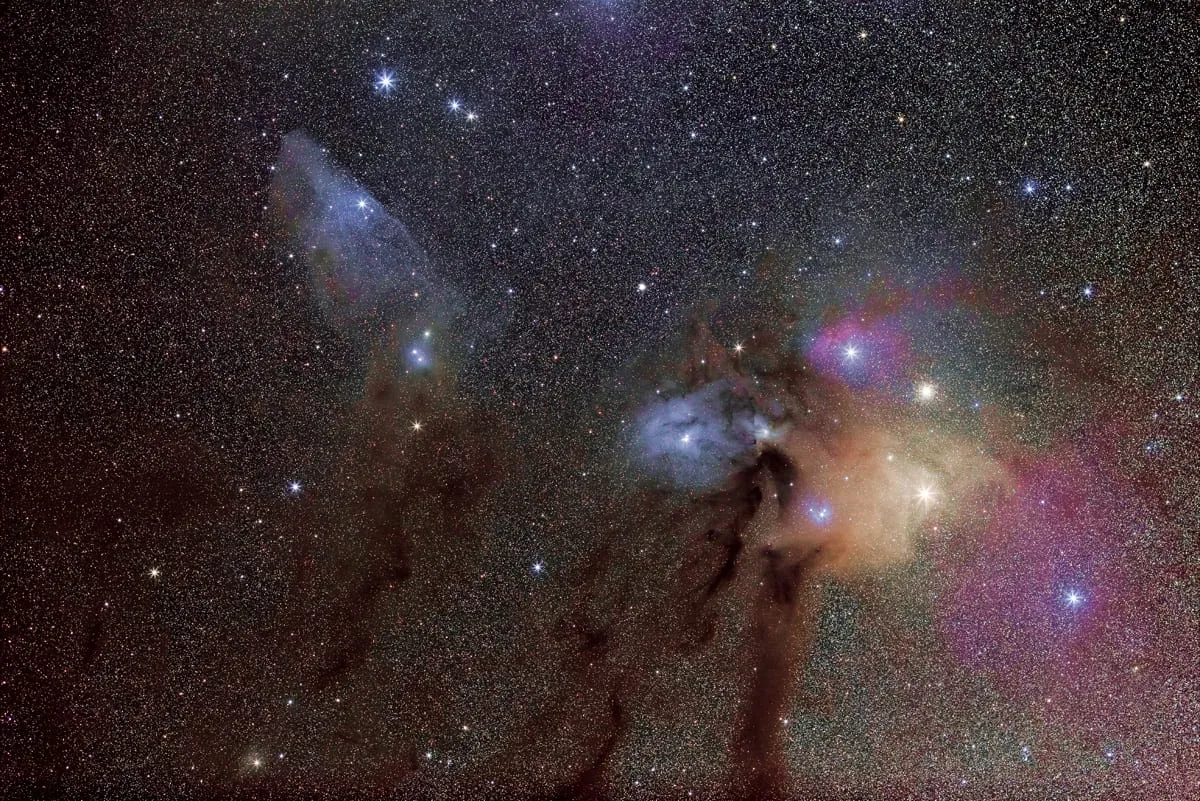
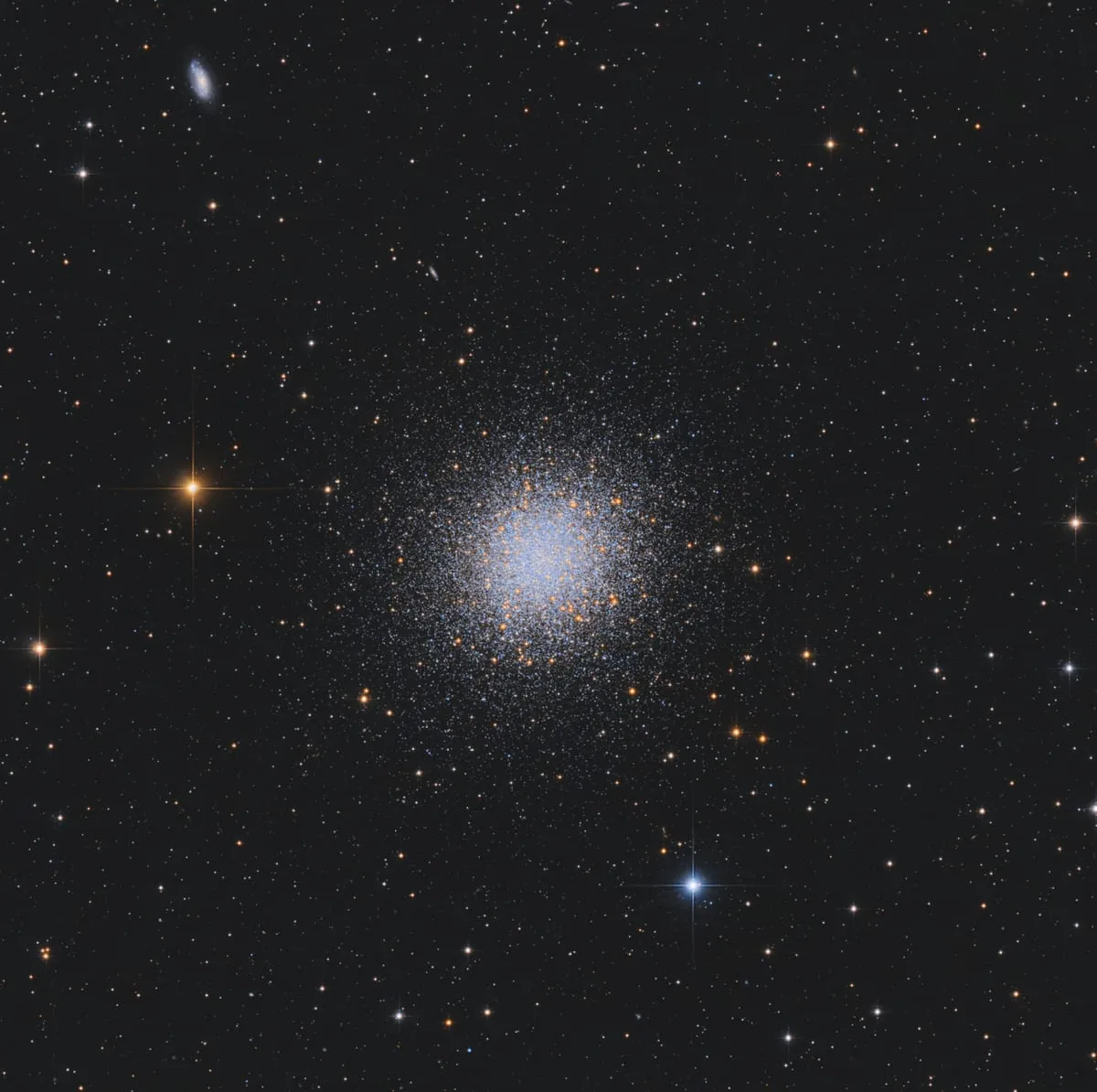
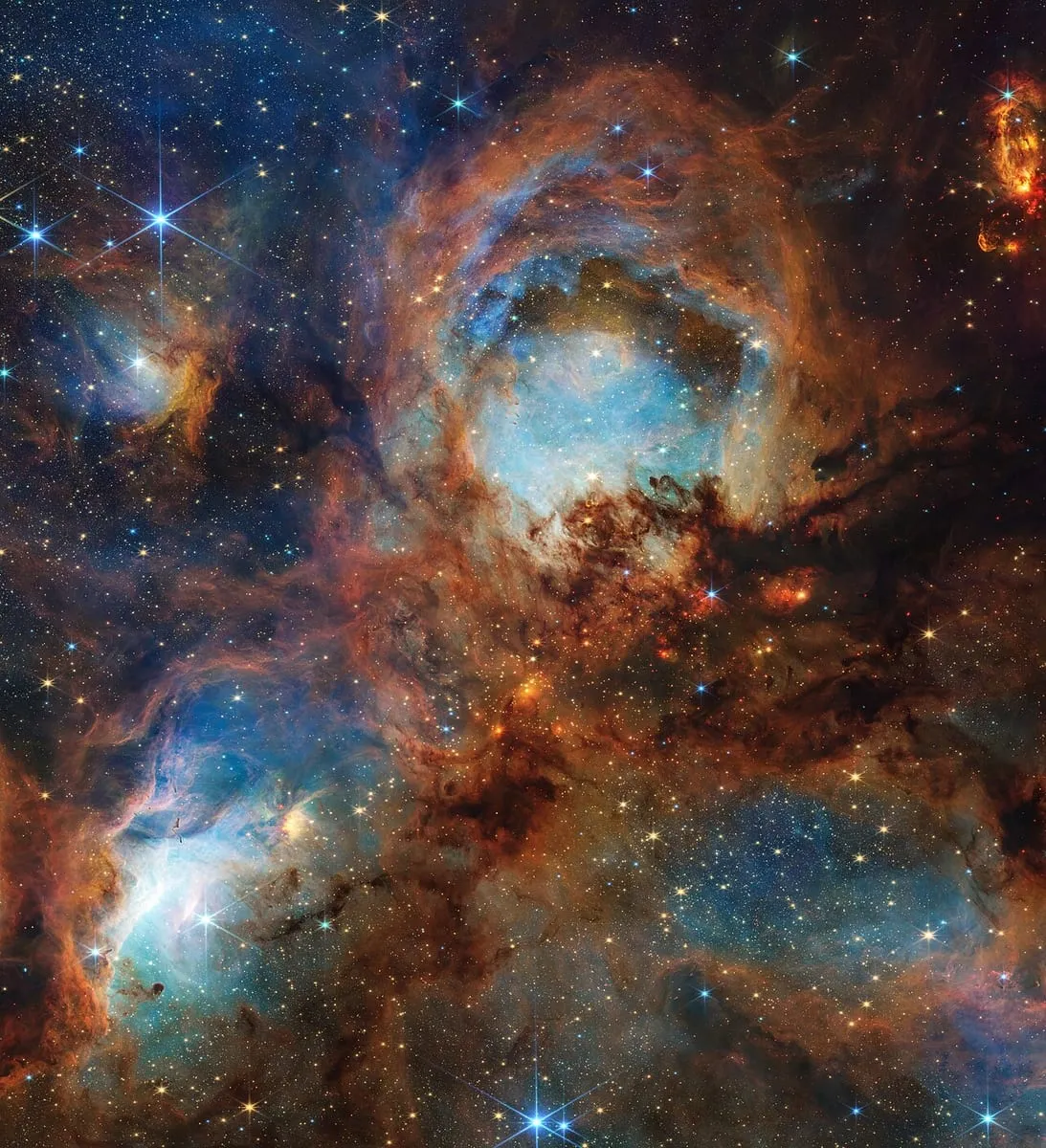
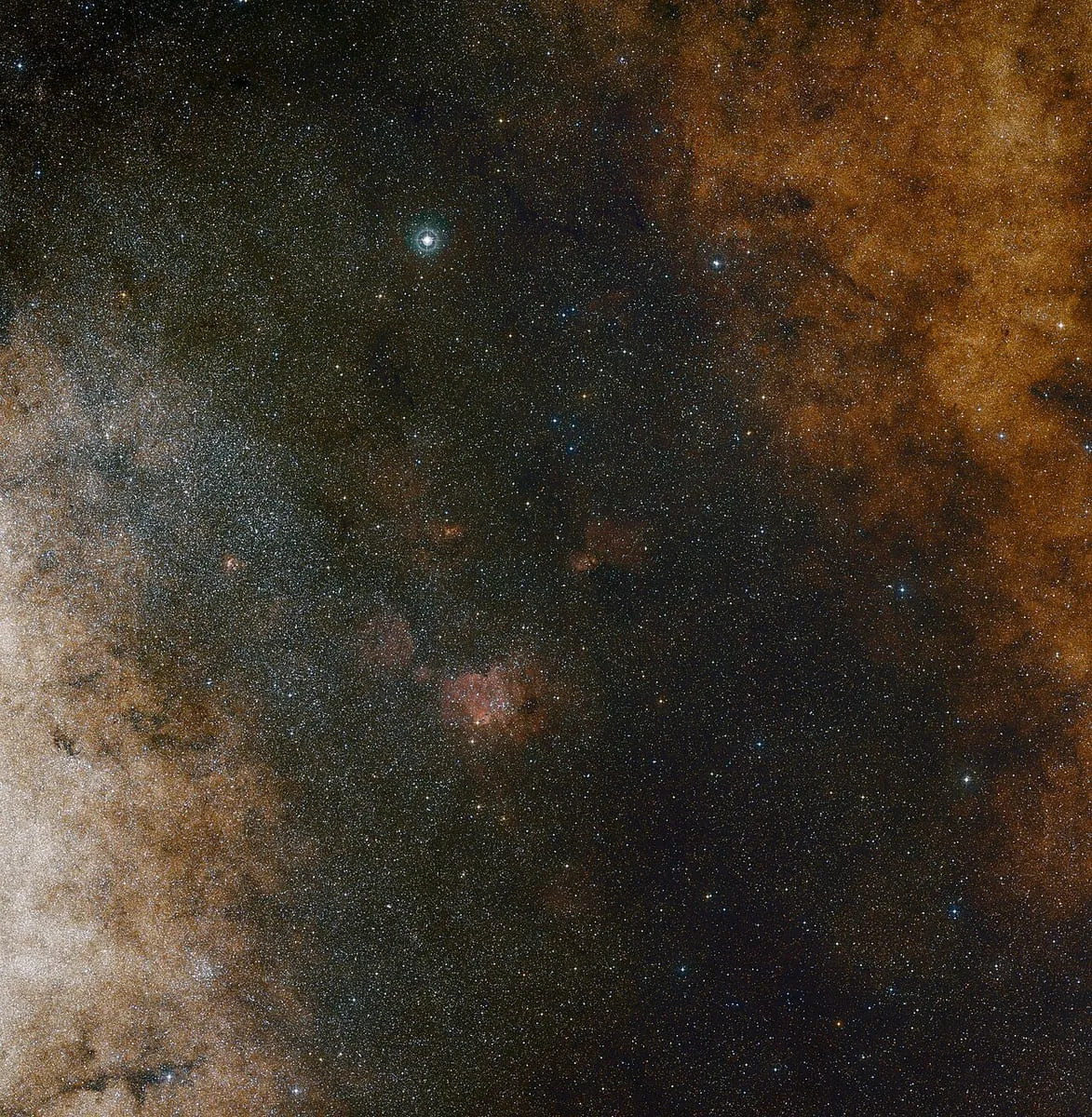
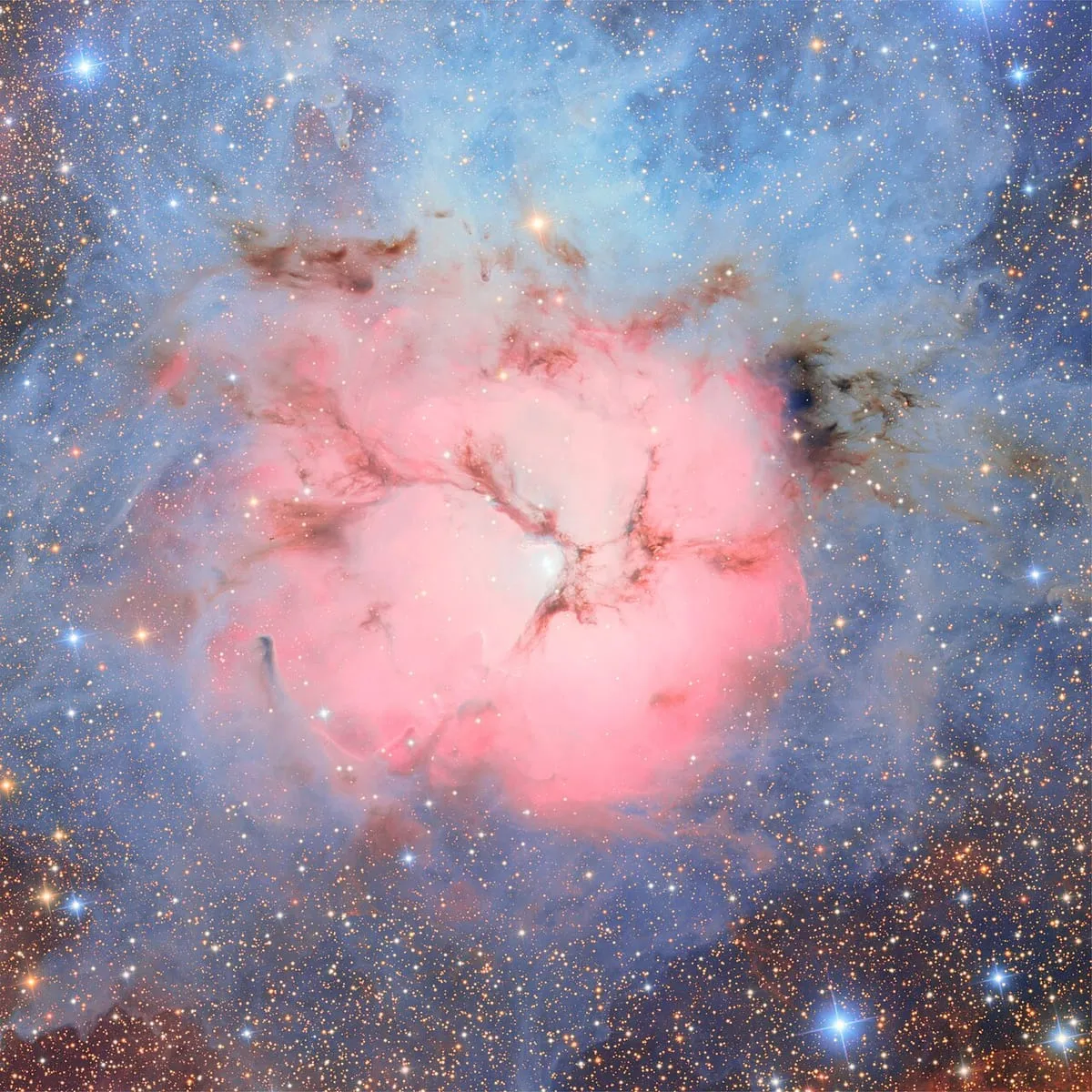
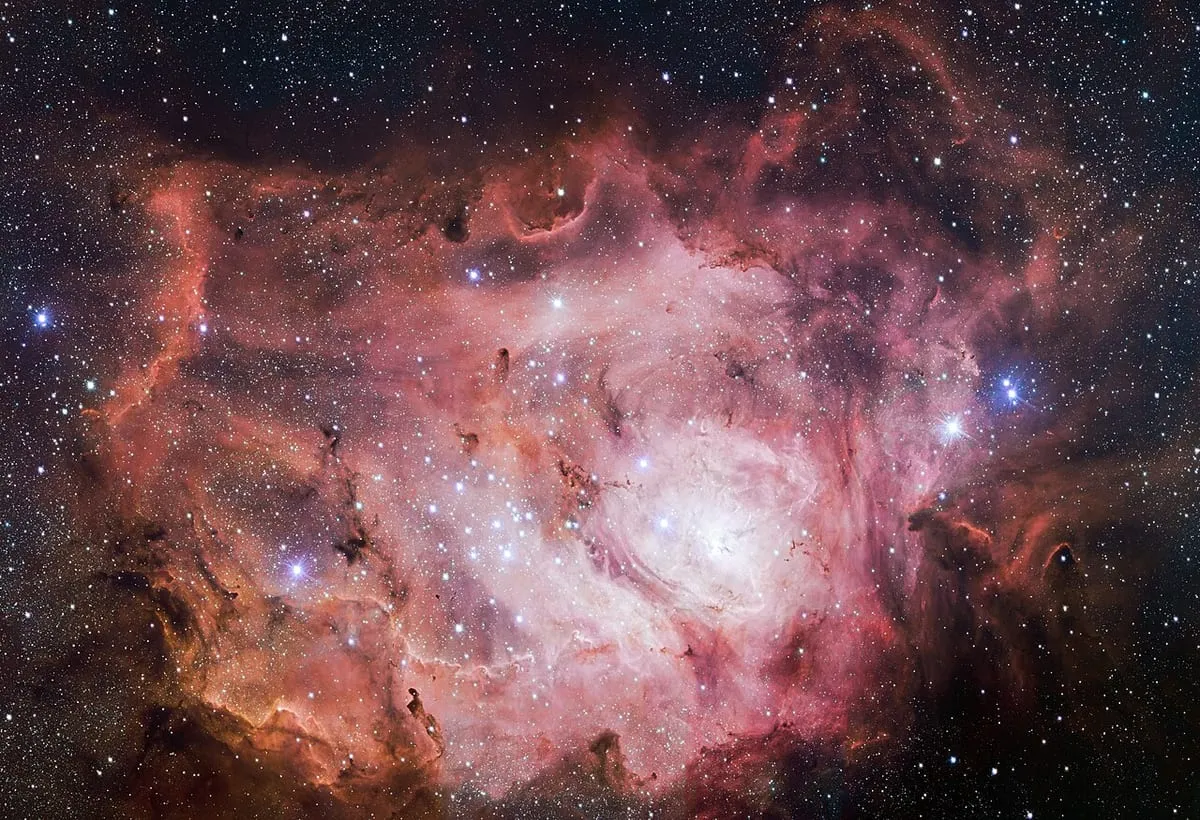
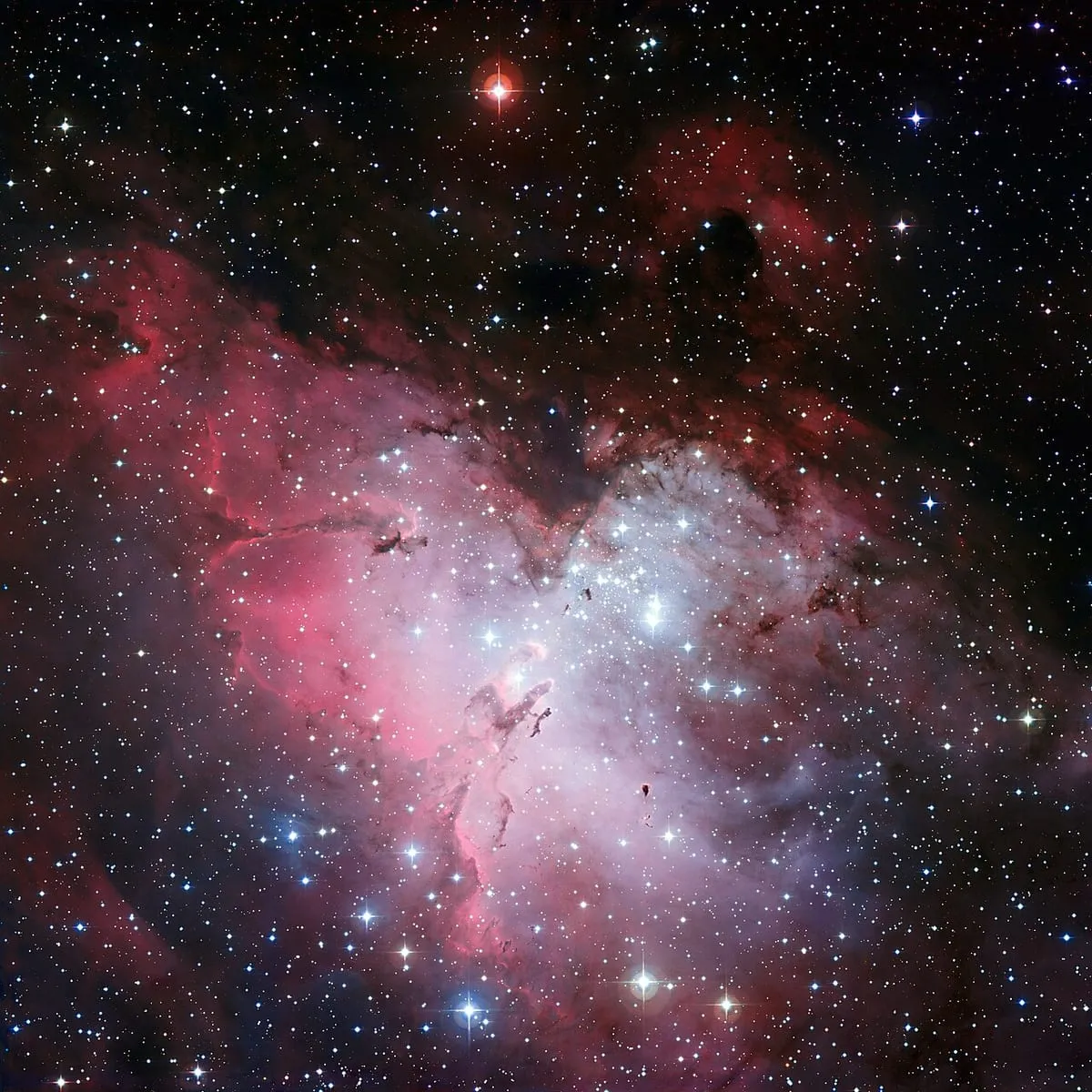
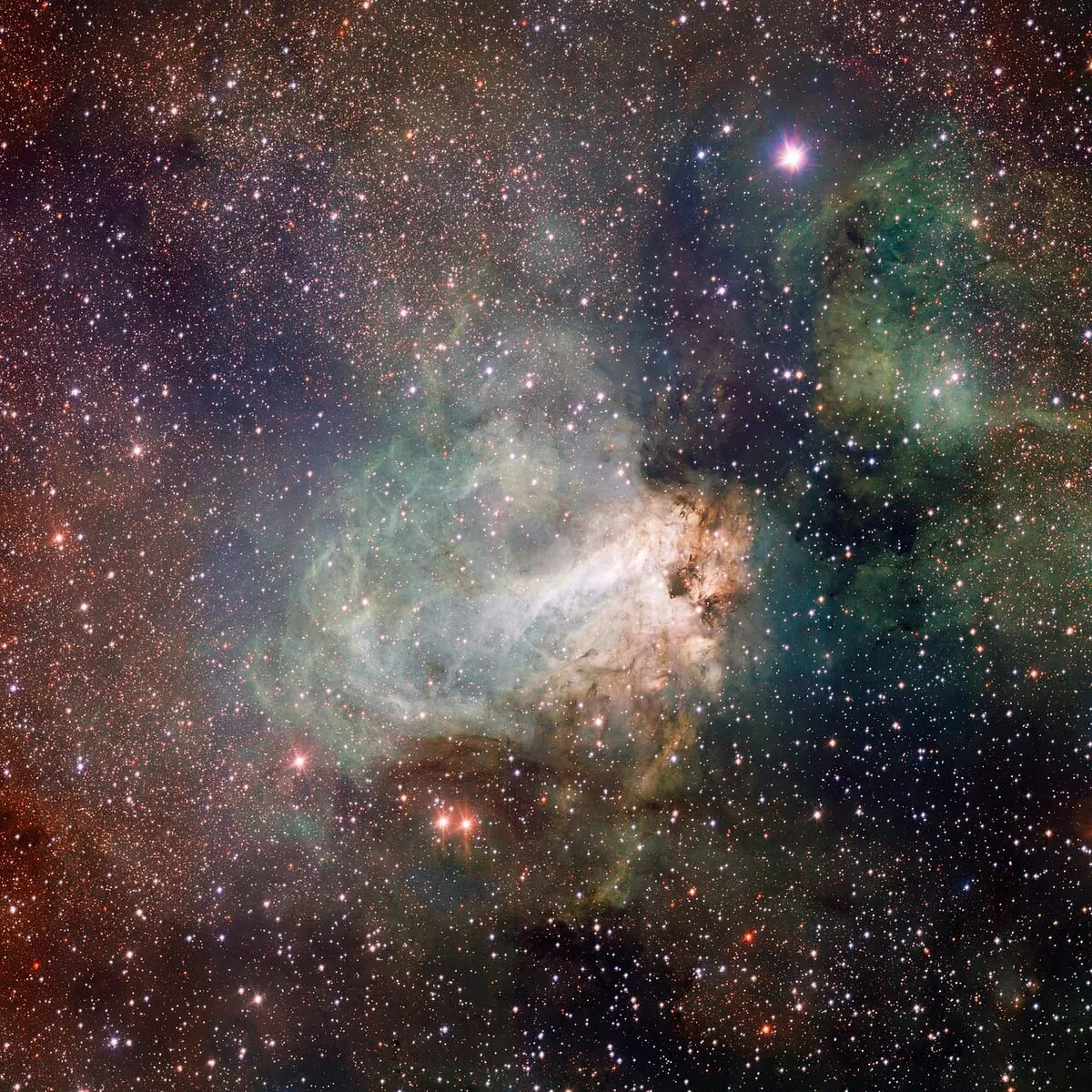
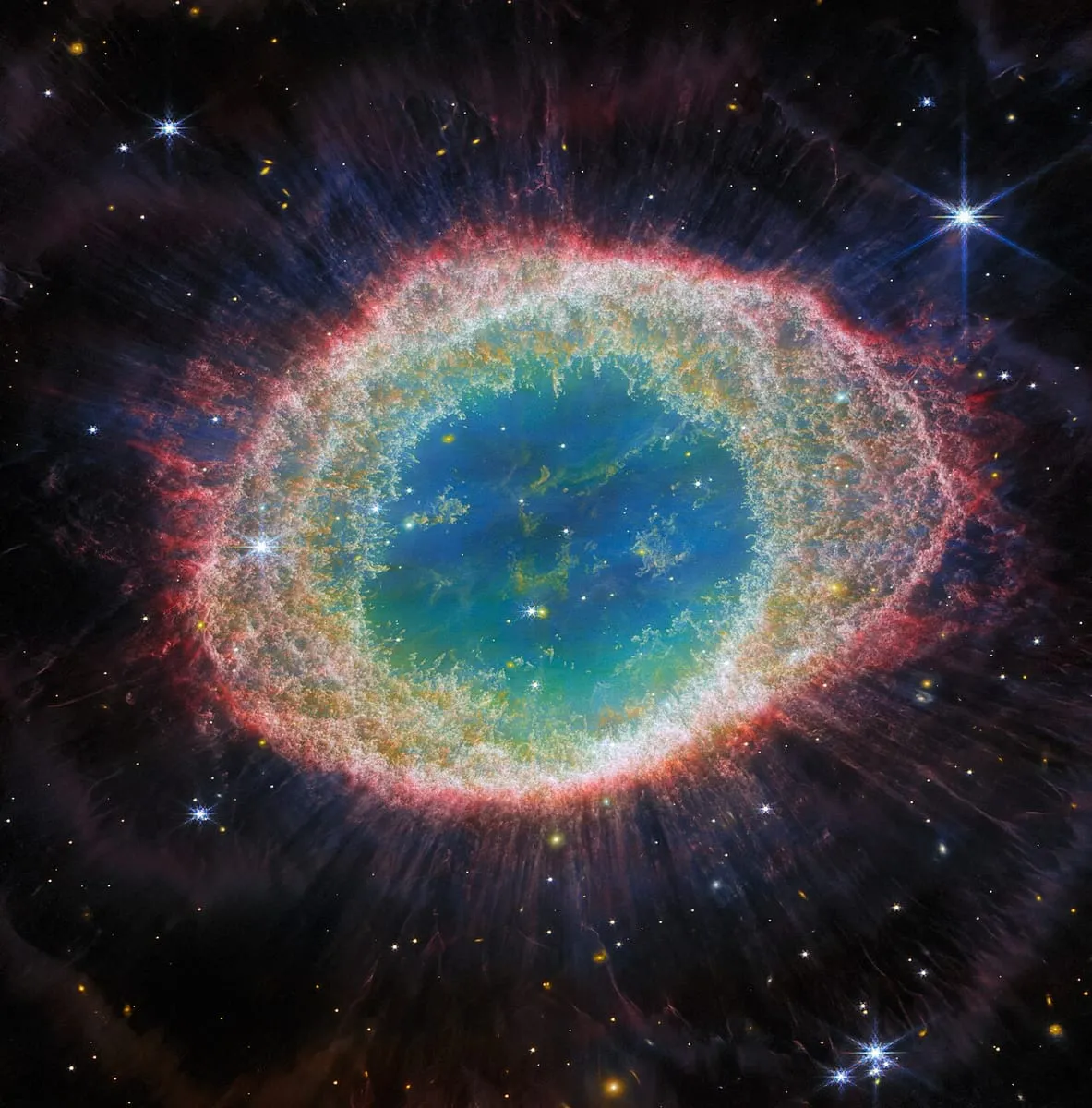
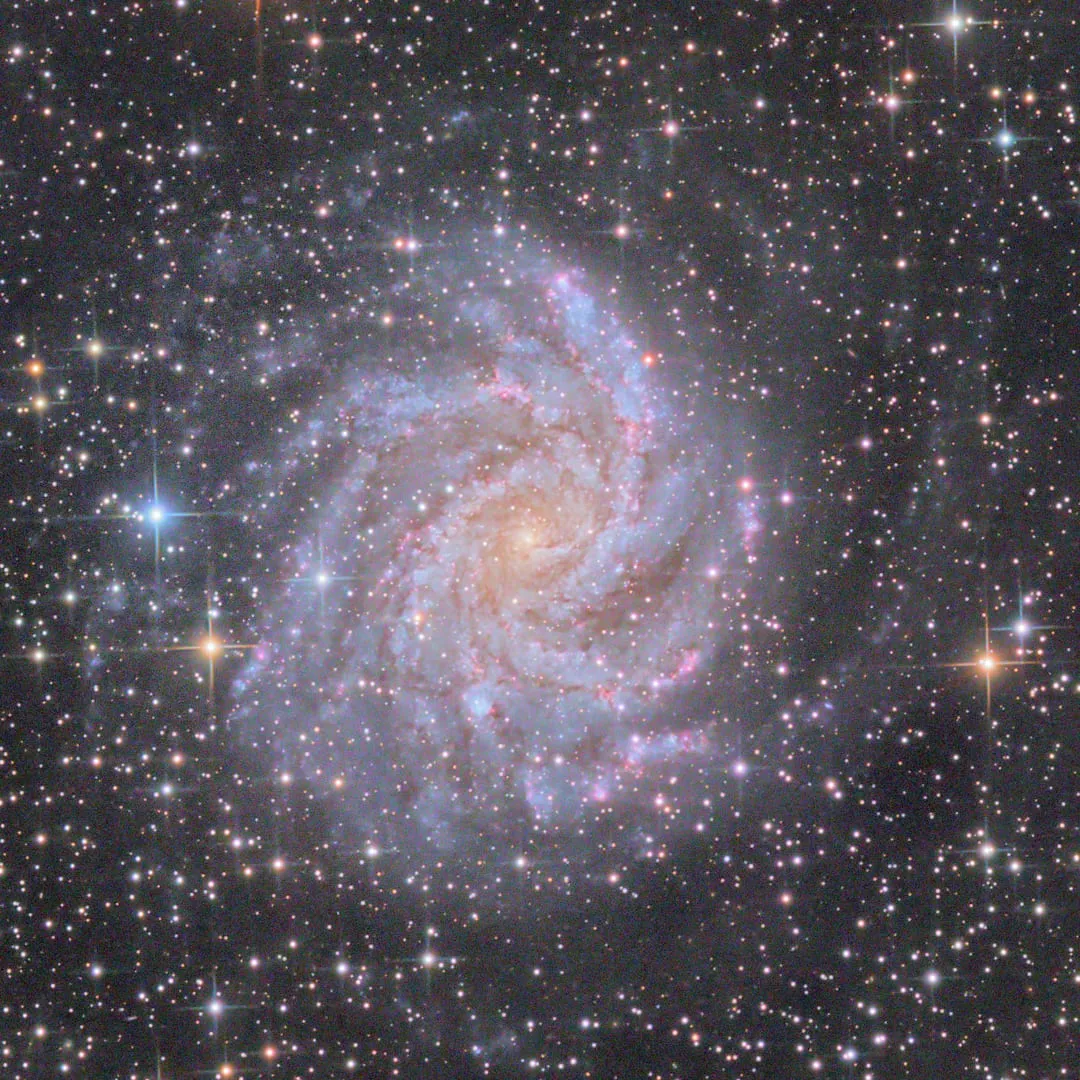
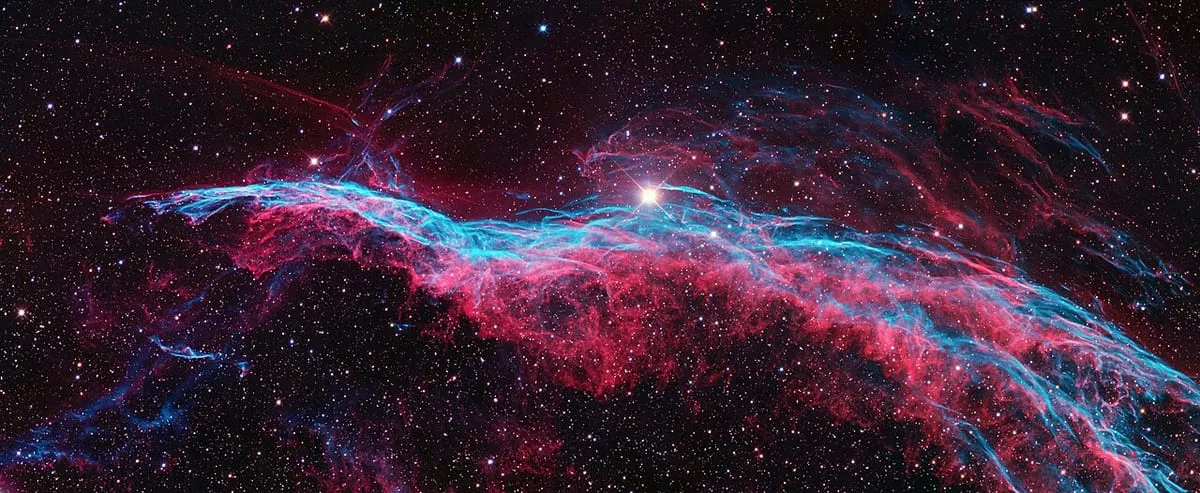
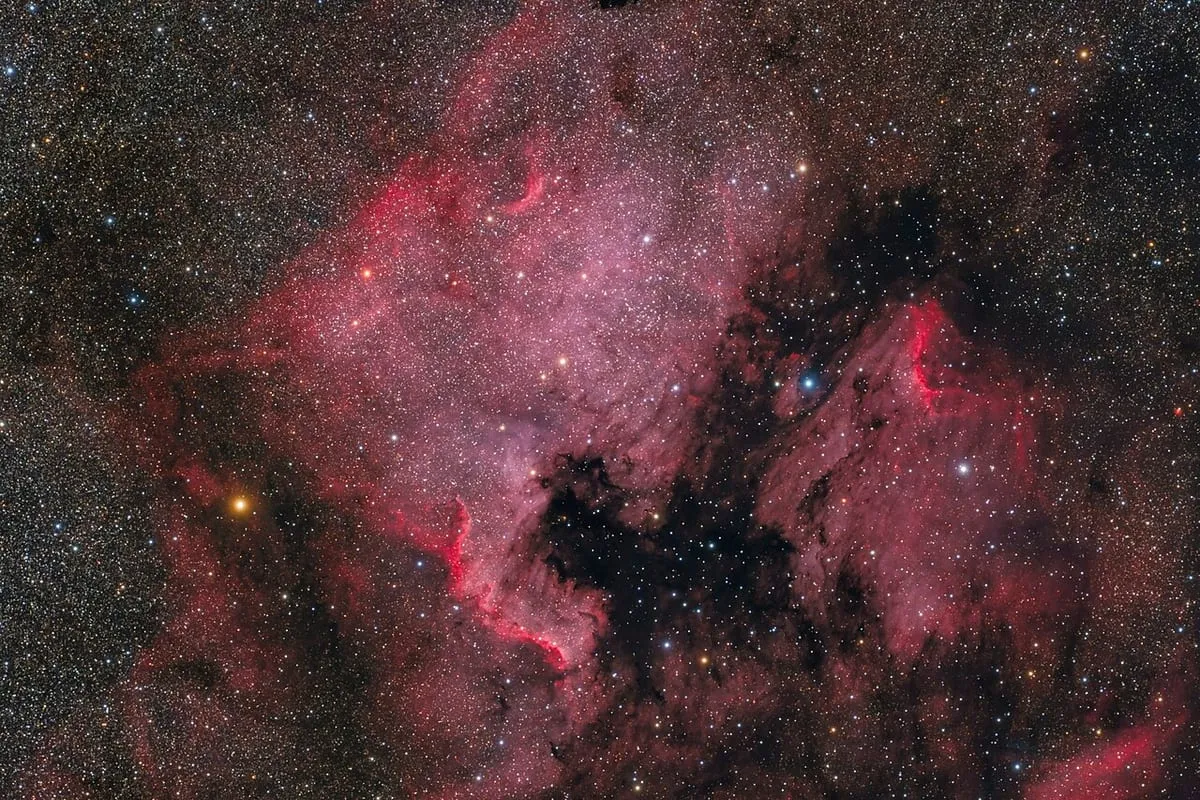
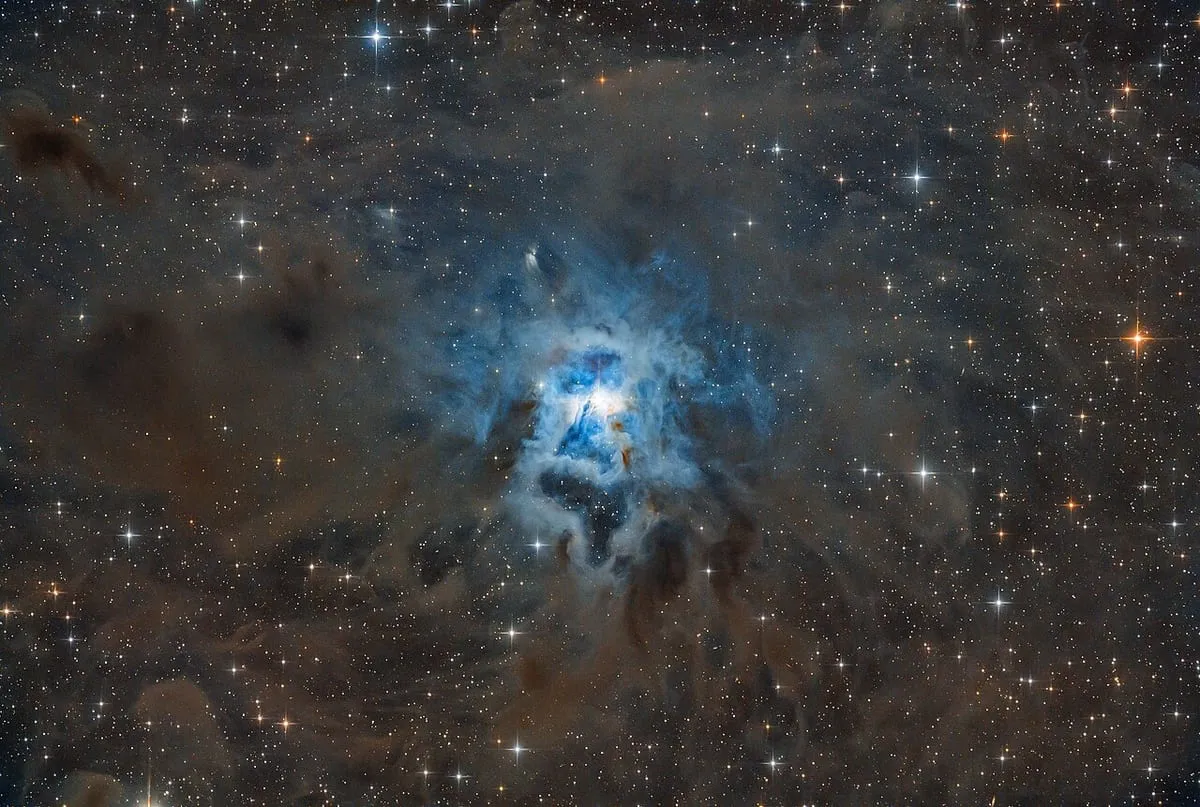
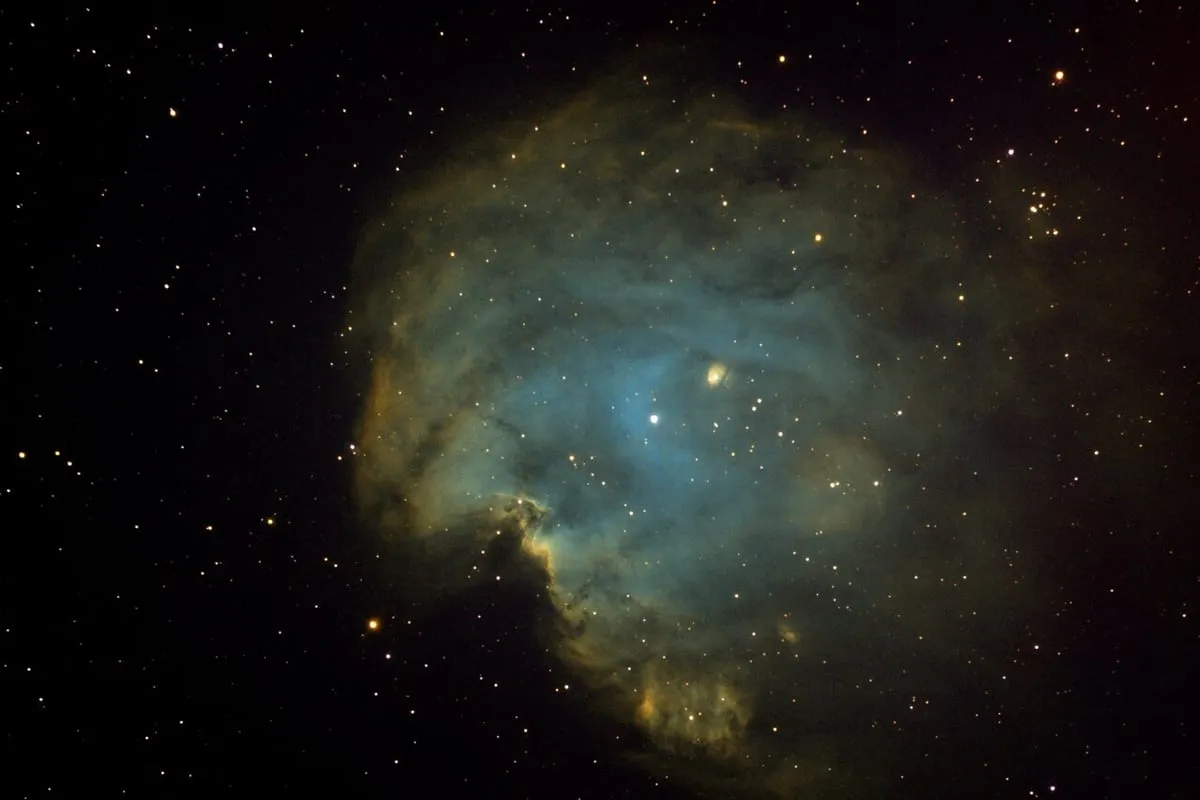
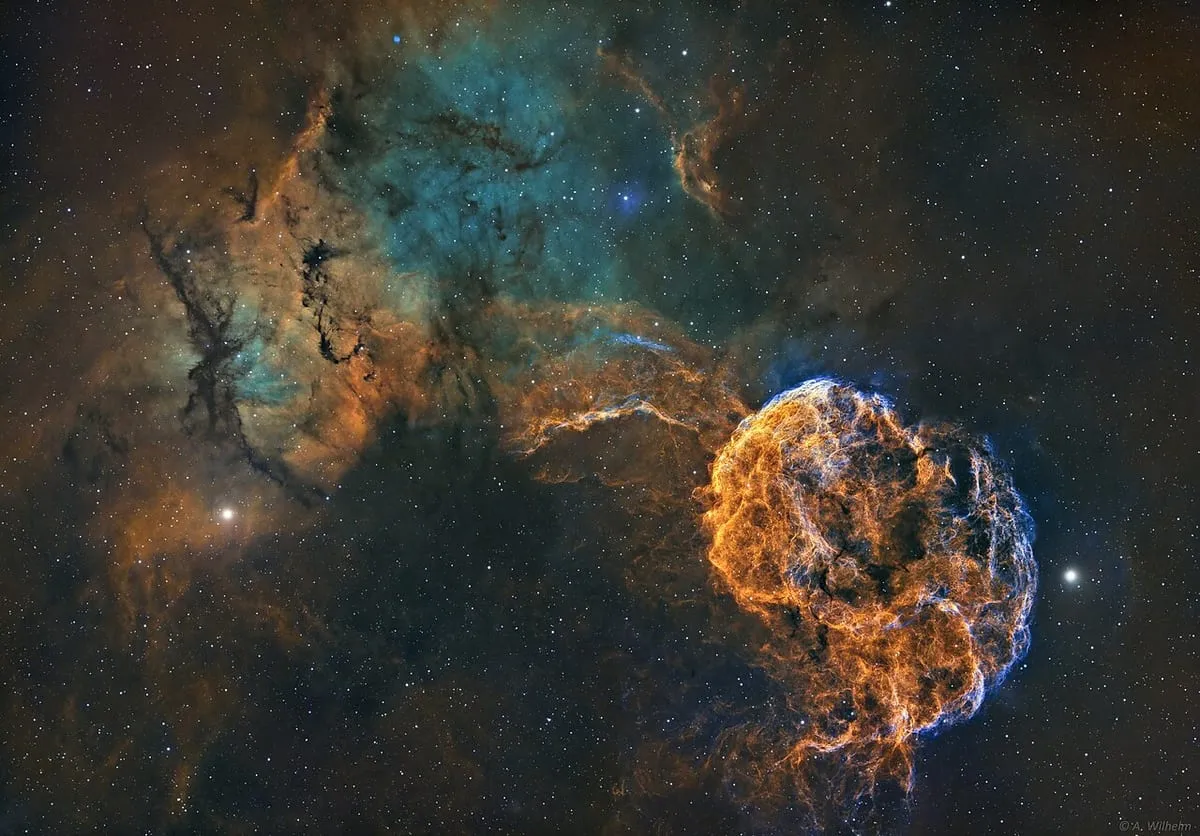
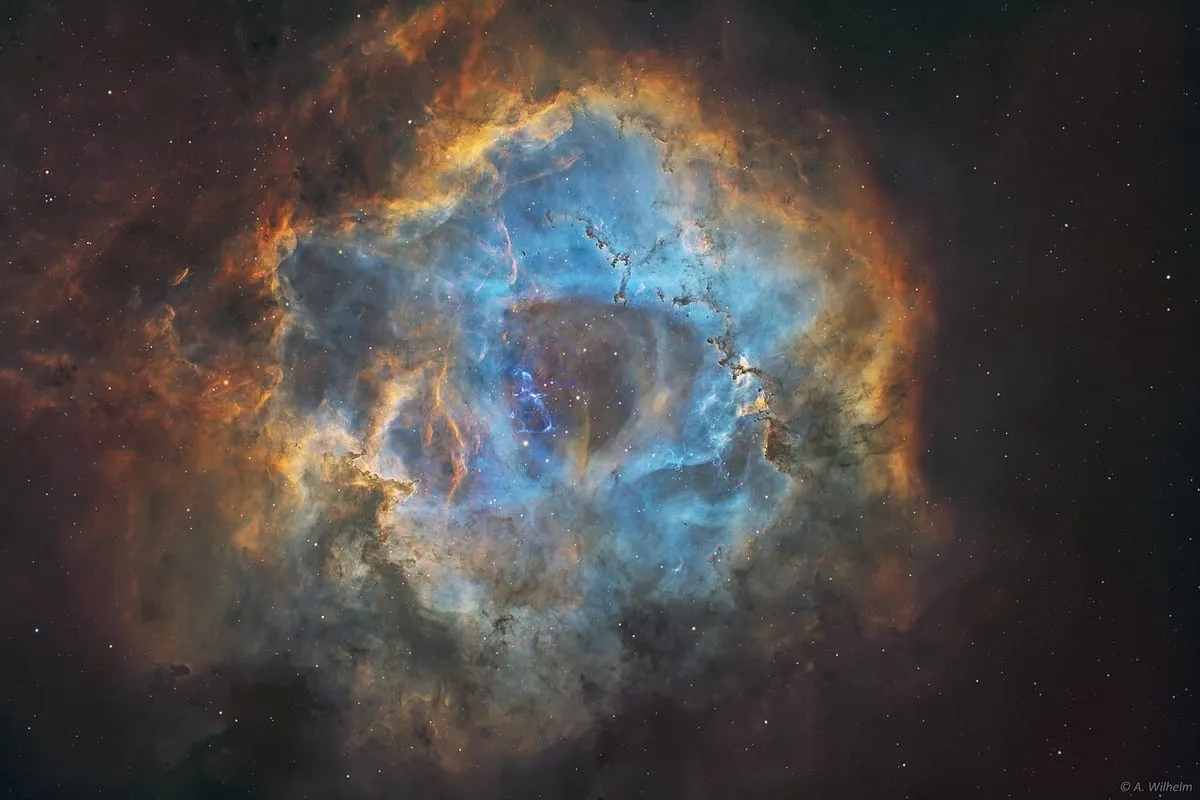
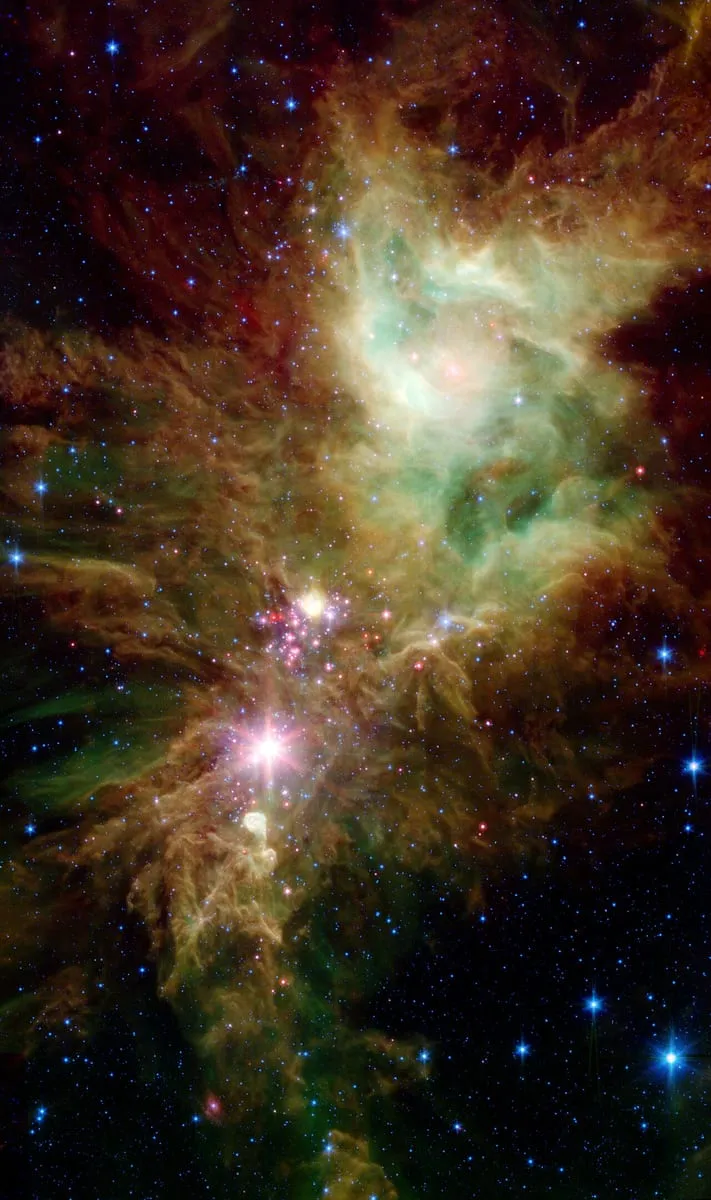
Month by month
These targets are highest around midnight in each month, which is usually the best time to shoot them.
- January
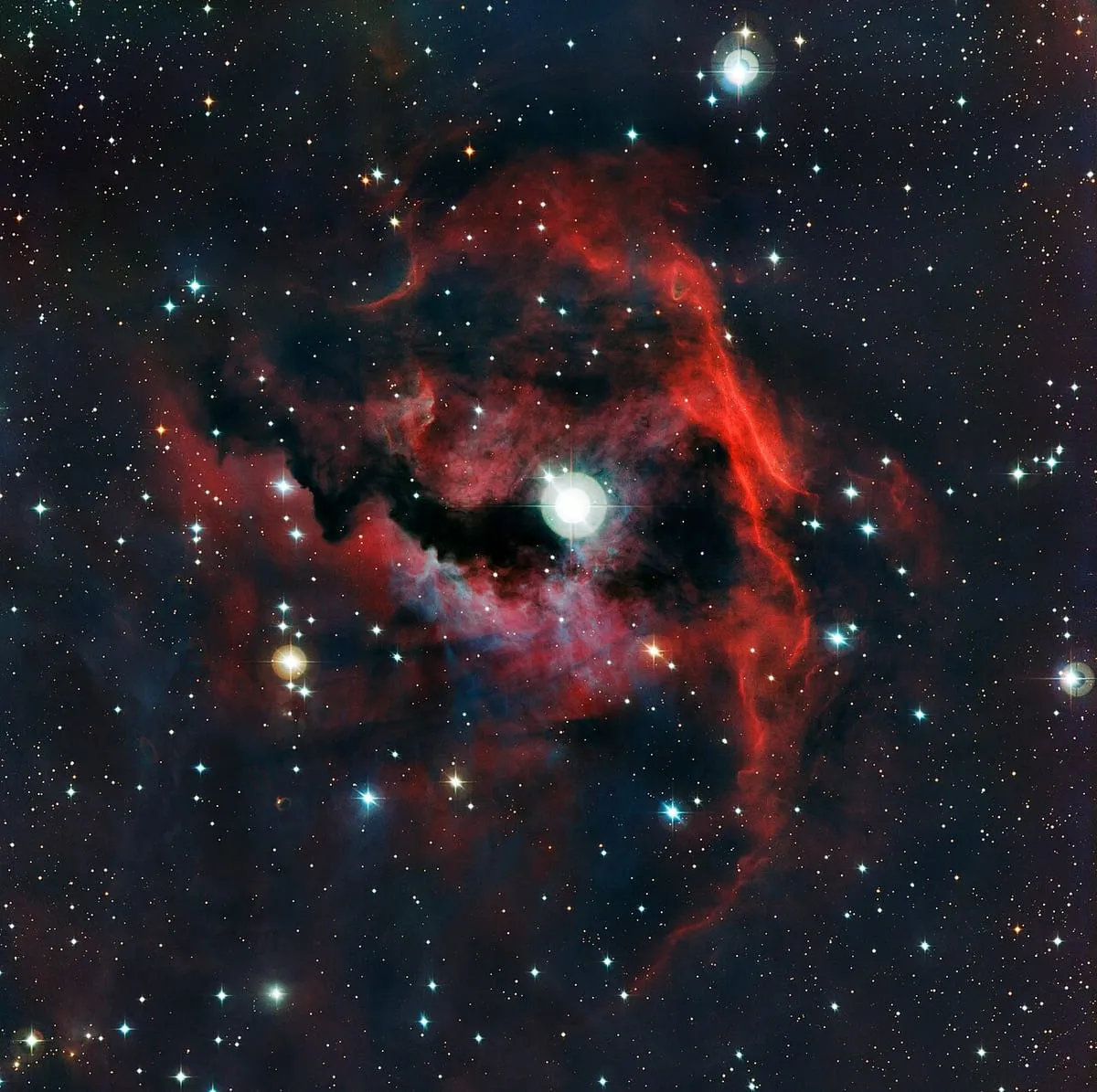
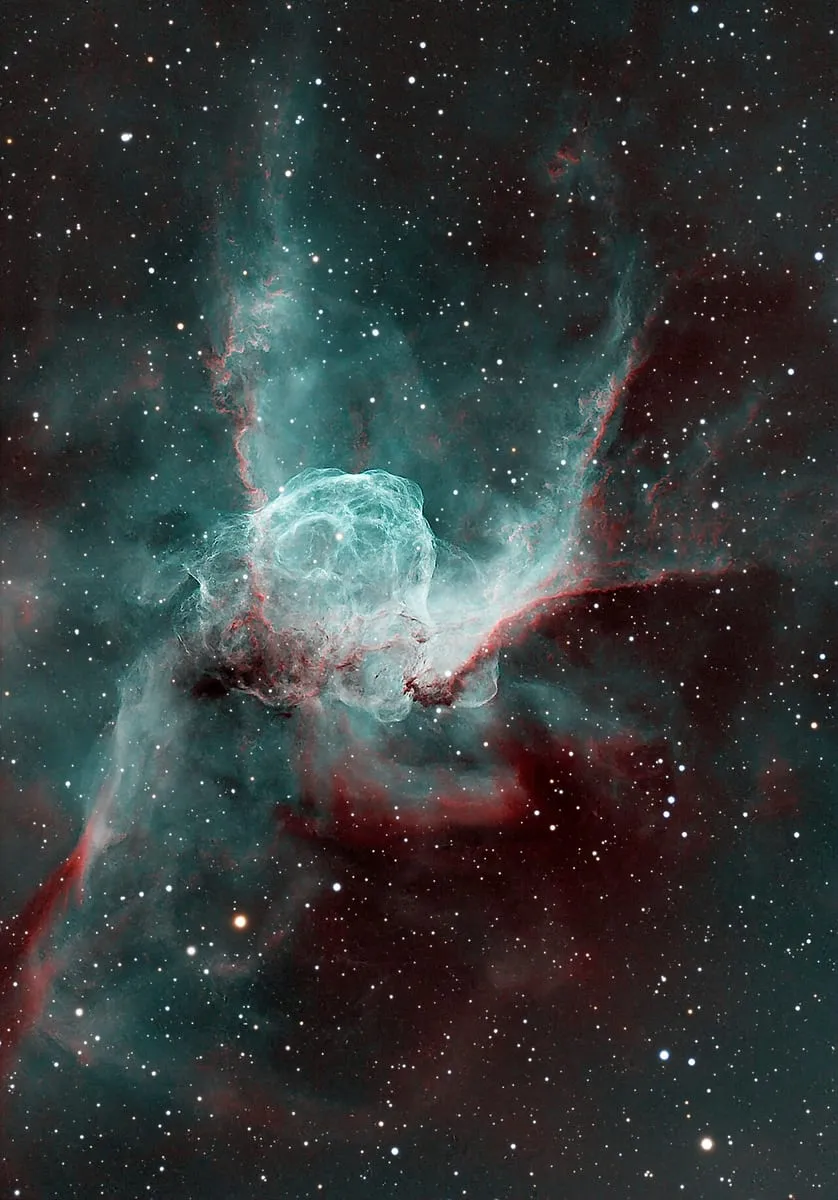
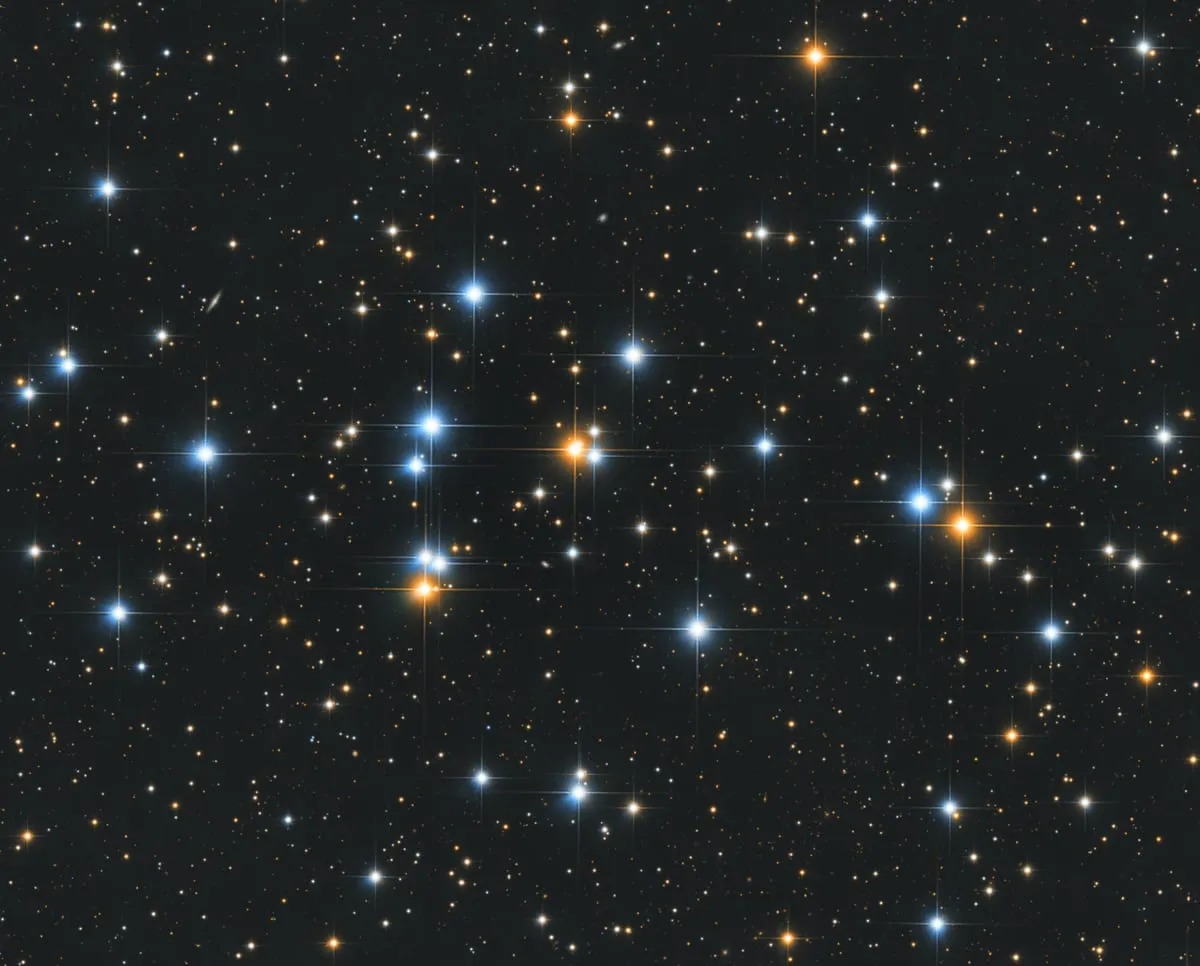
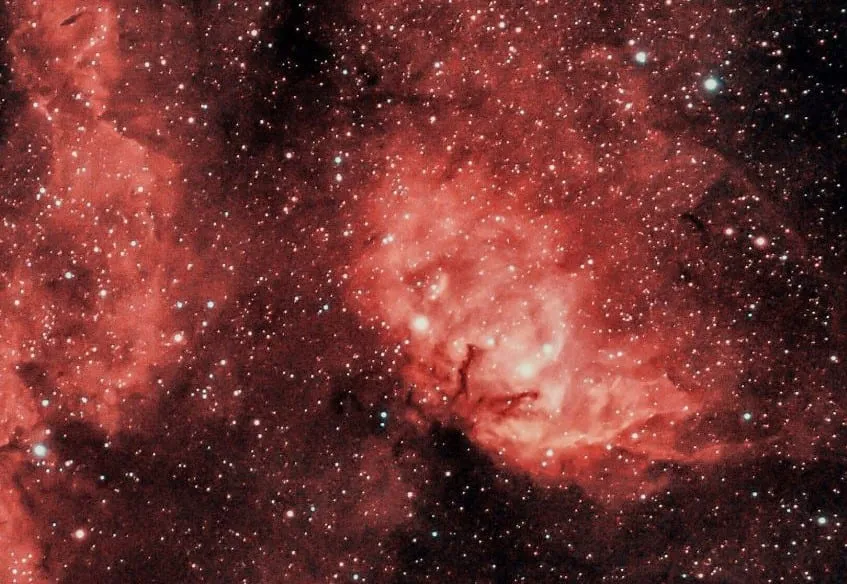
- Seagull Nebula, Thor’s Helmet, Beehive Cluster
- February
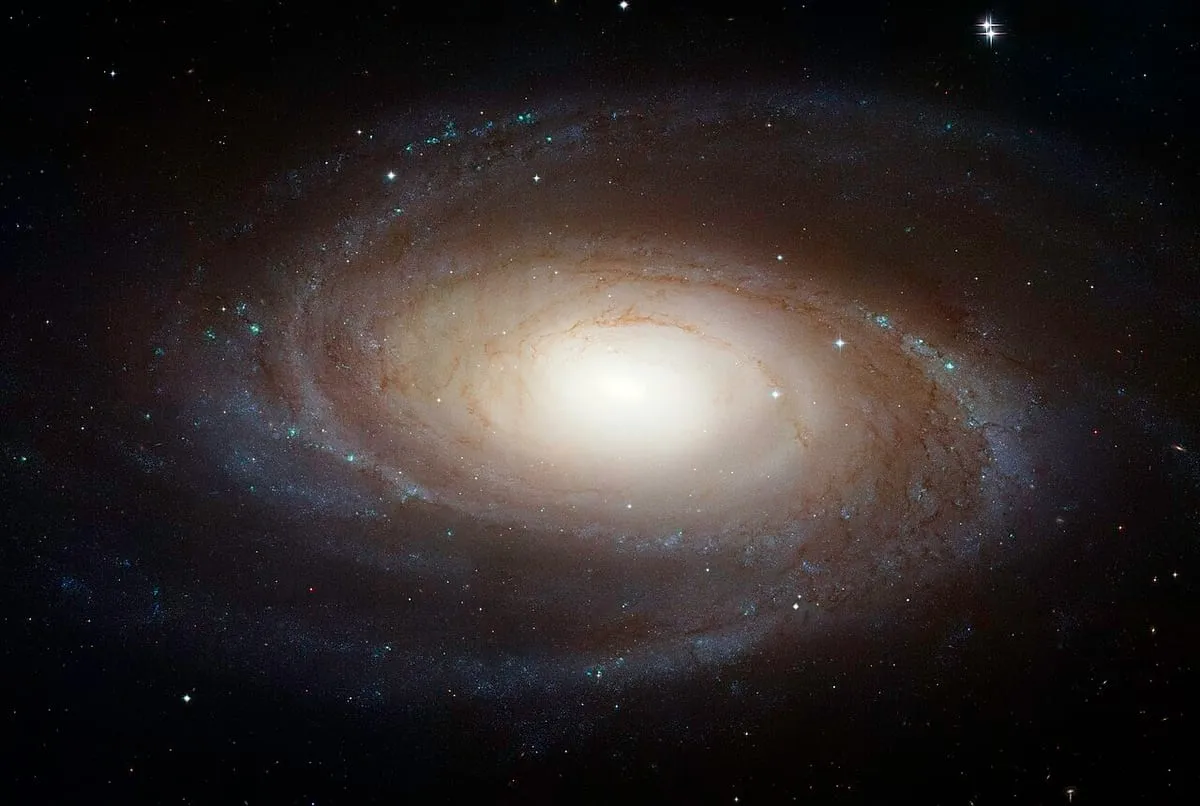
- Bode’s Galaxy & Cigar Galaxy
- March
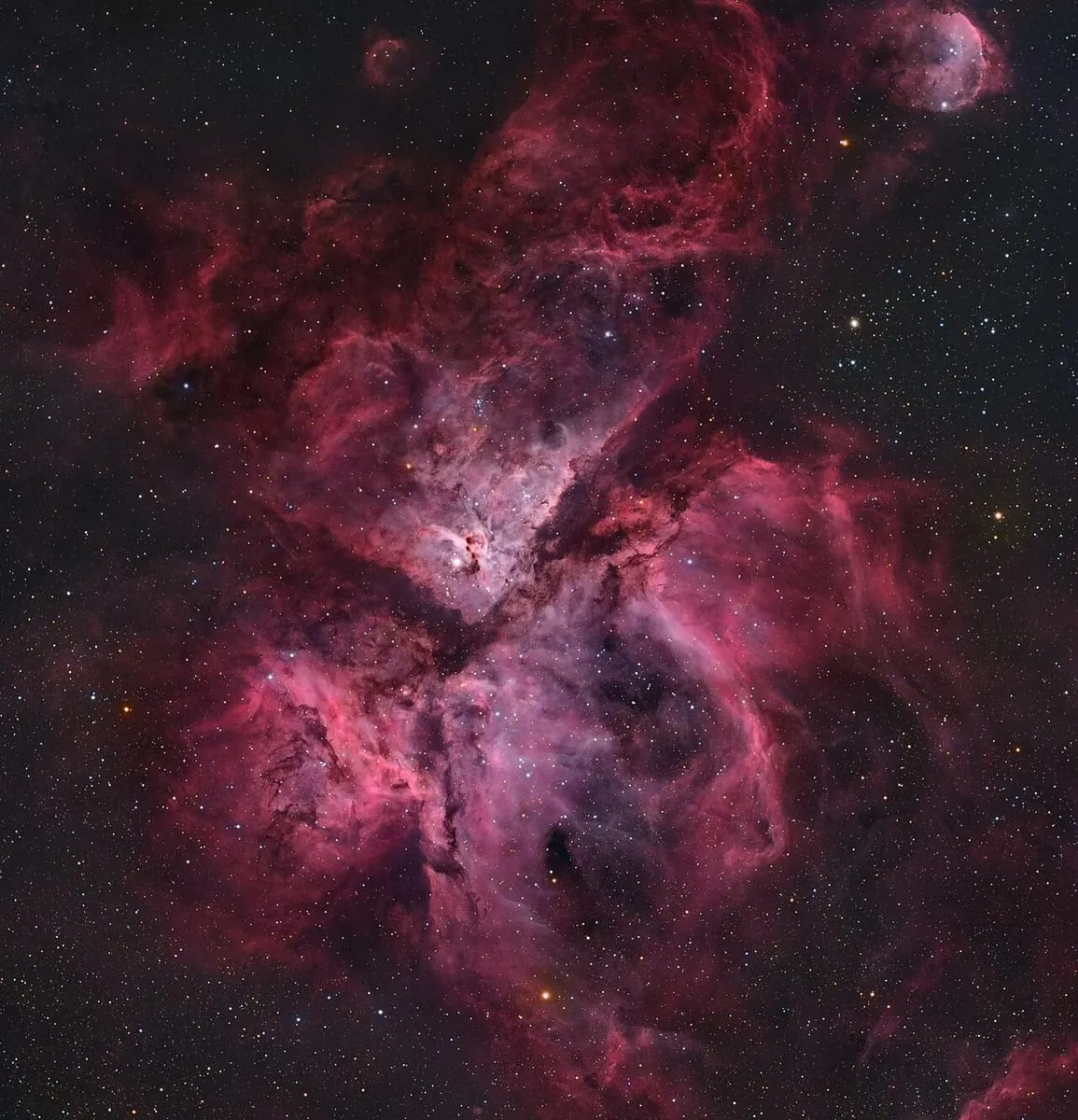
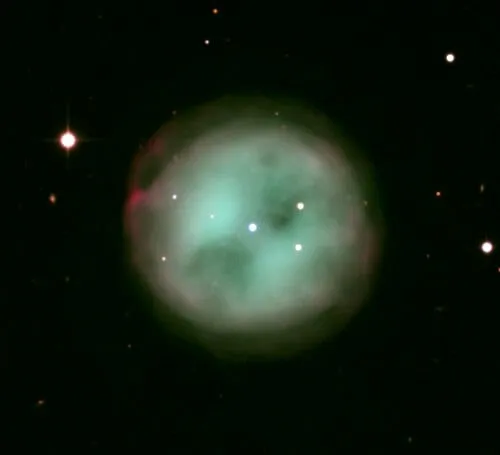
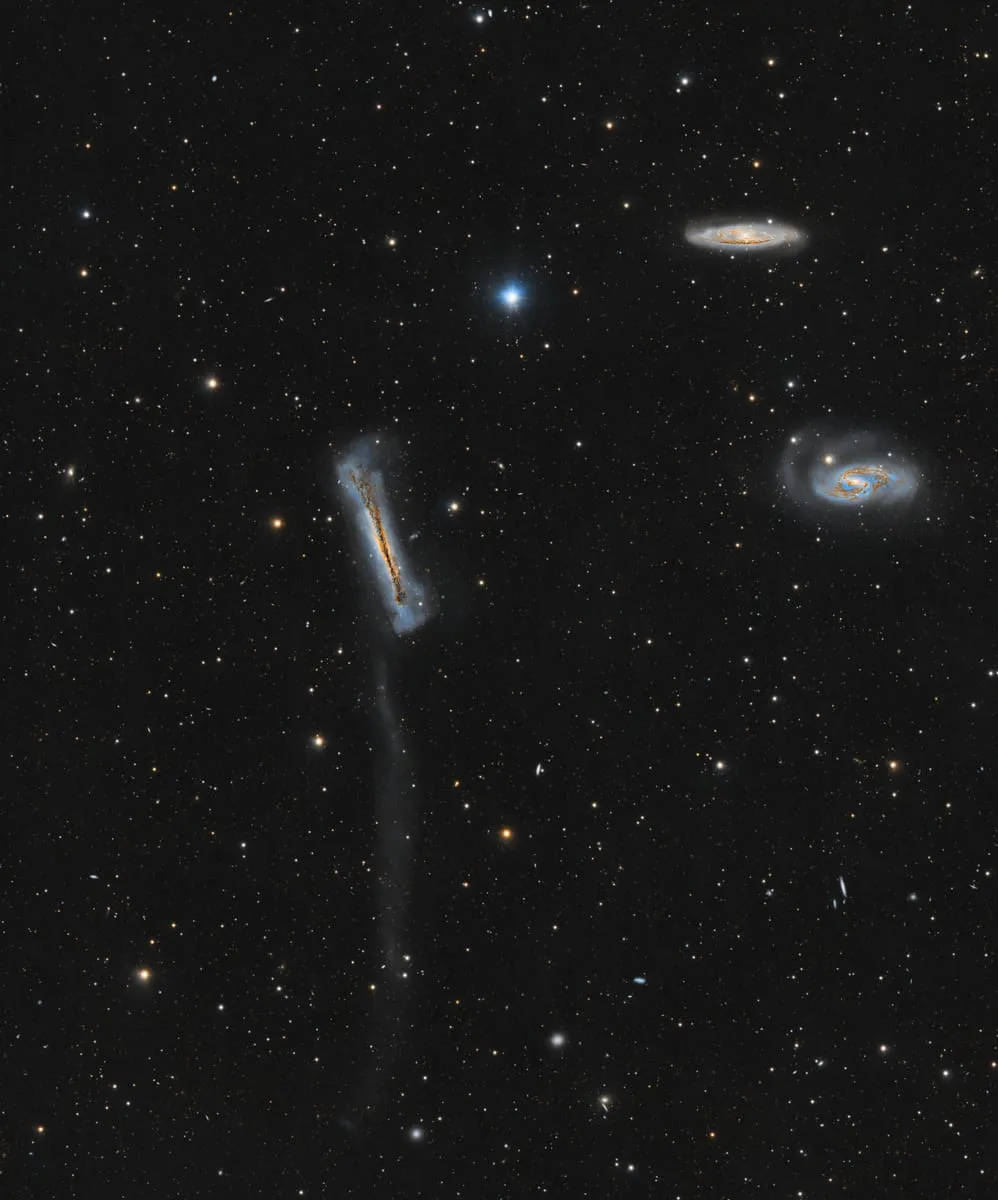
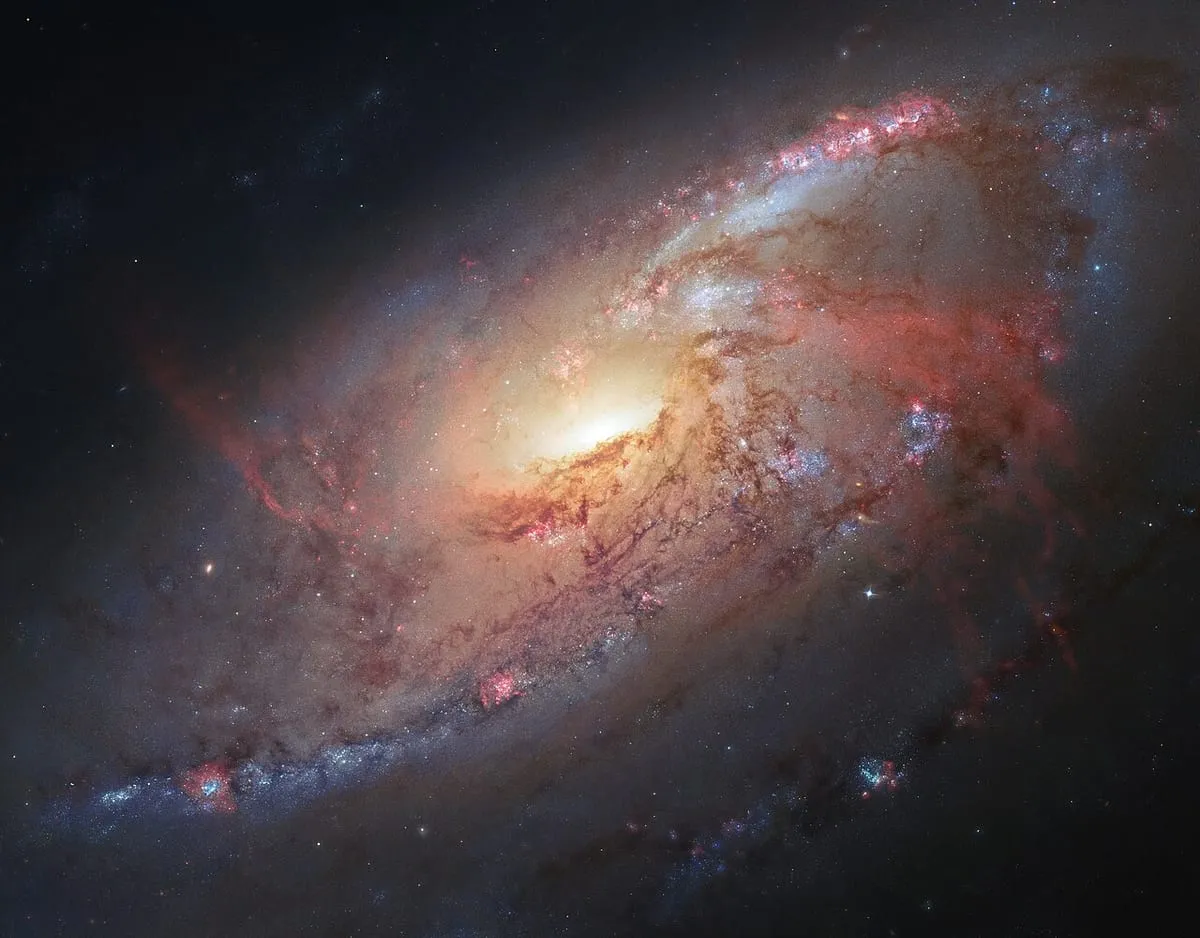
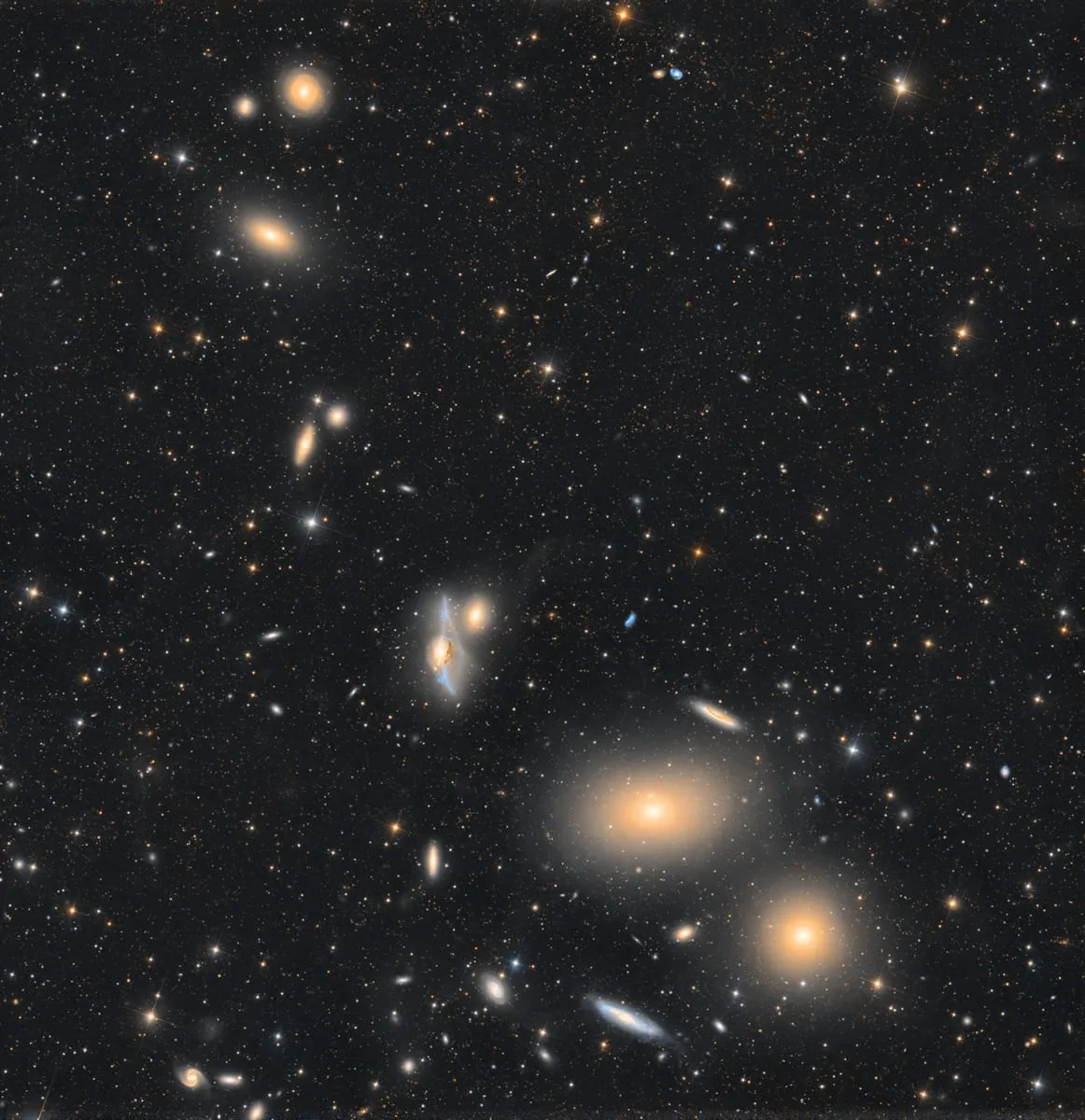
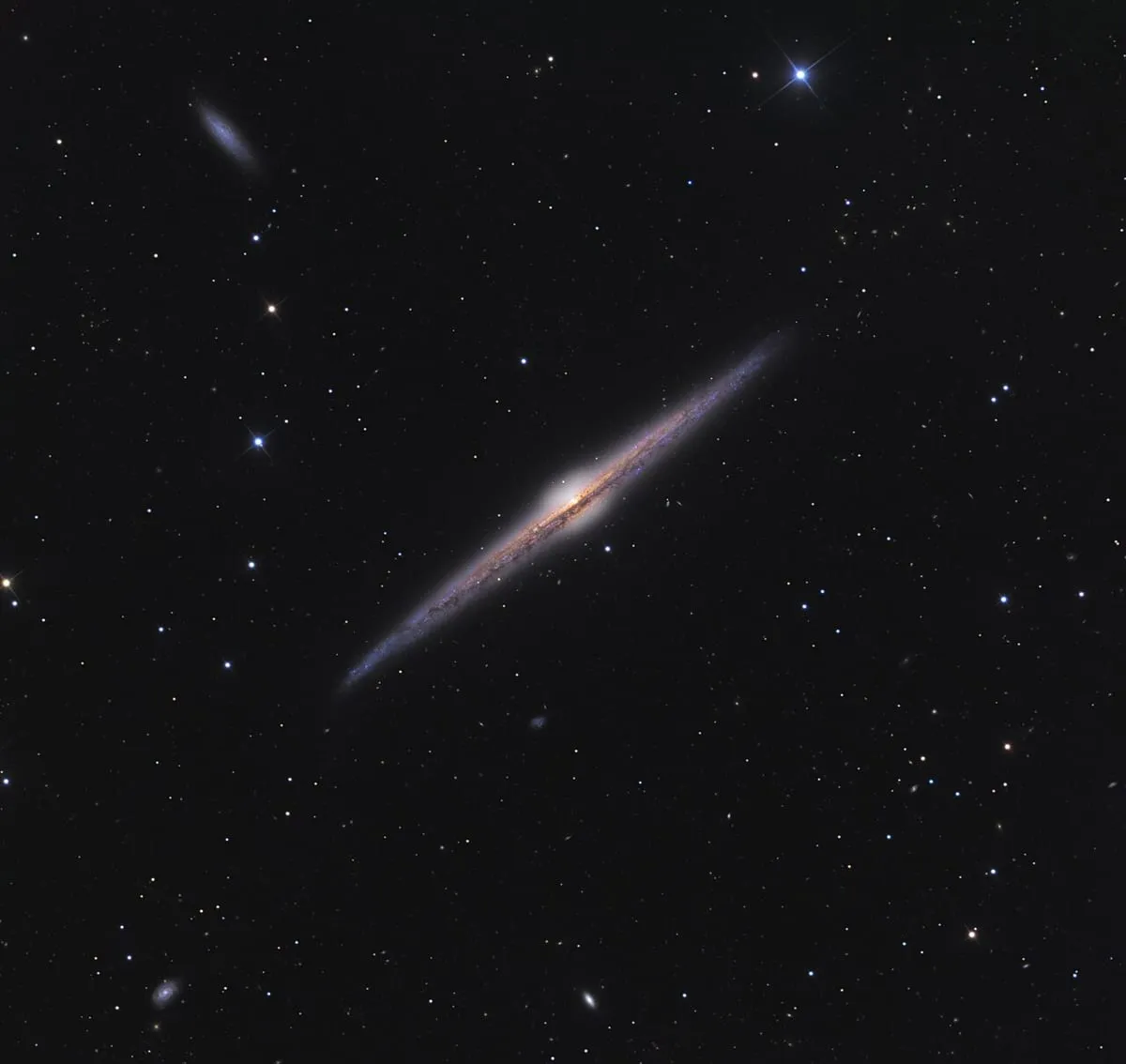
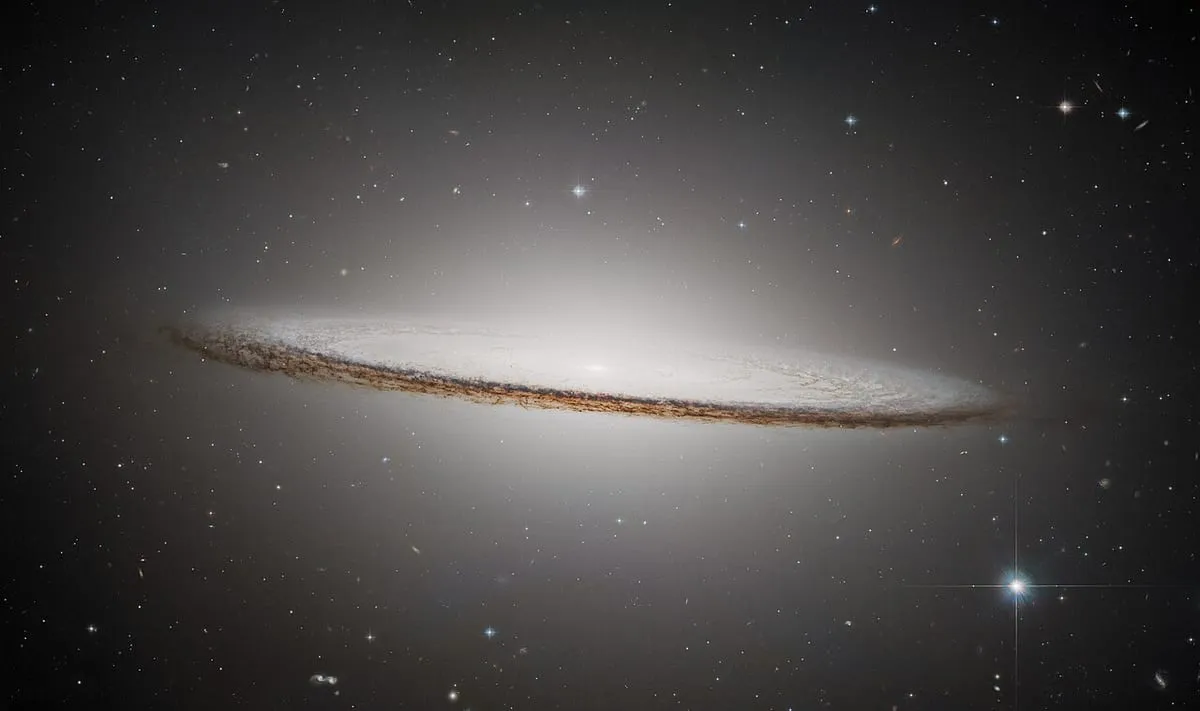
- Carina Nebula, Owl Nebula & M108, Leo Triplet, Messier 106, Markarian’s Chain, Needle Galaxy, Sombrero Galaxy
- April
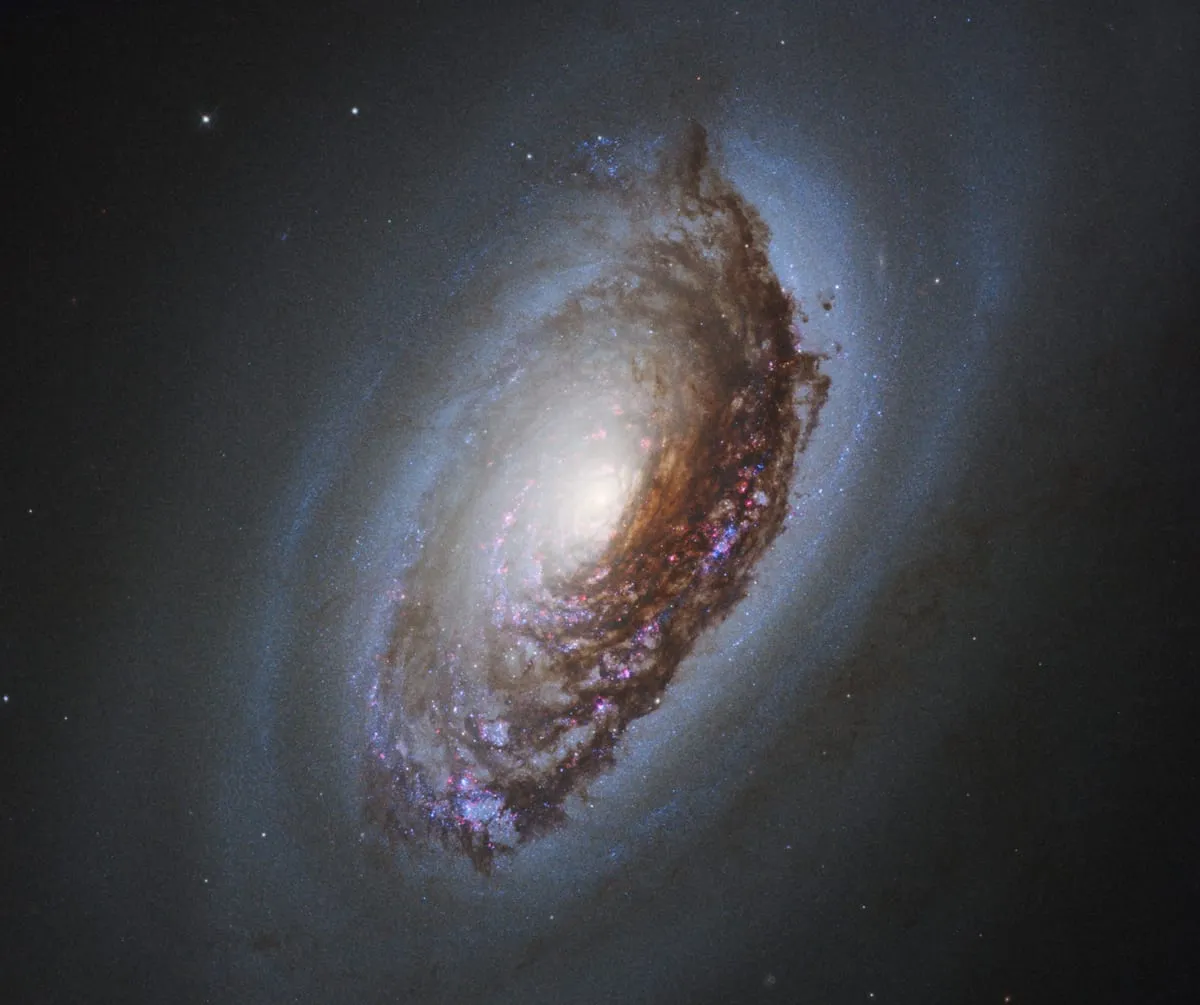
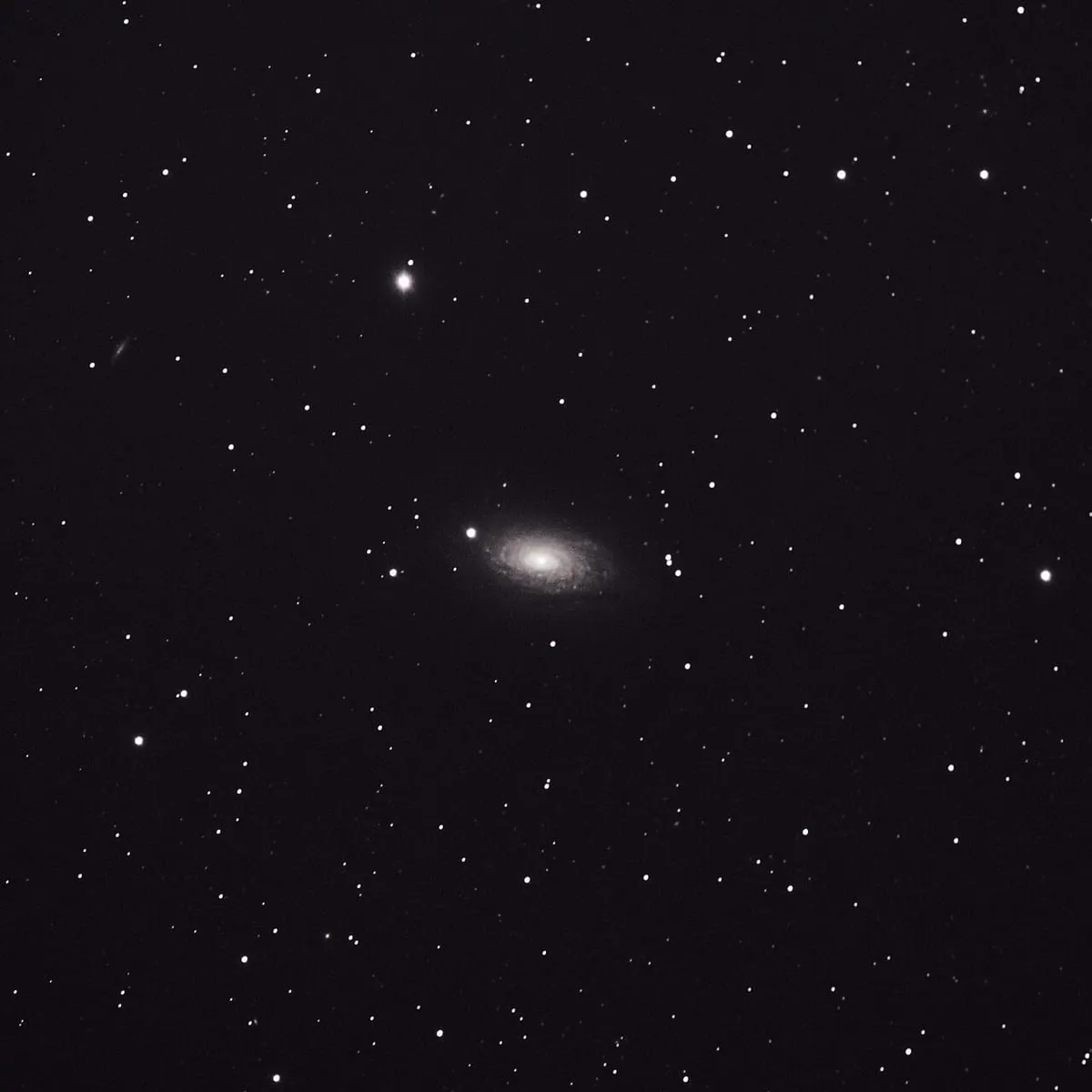
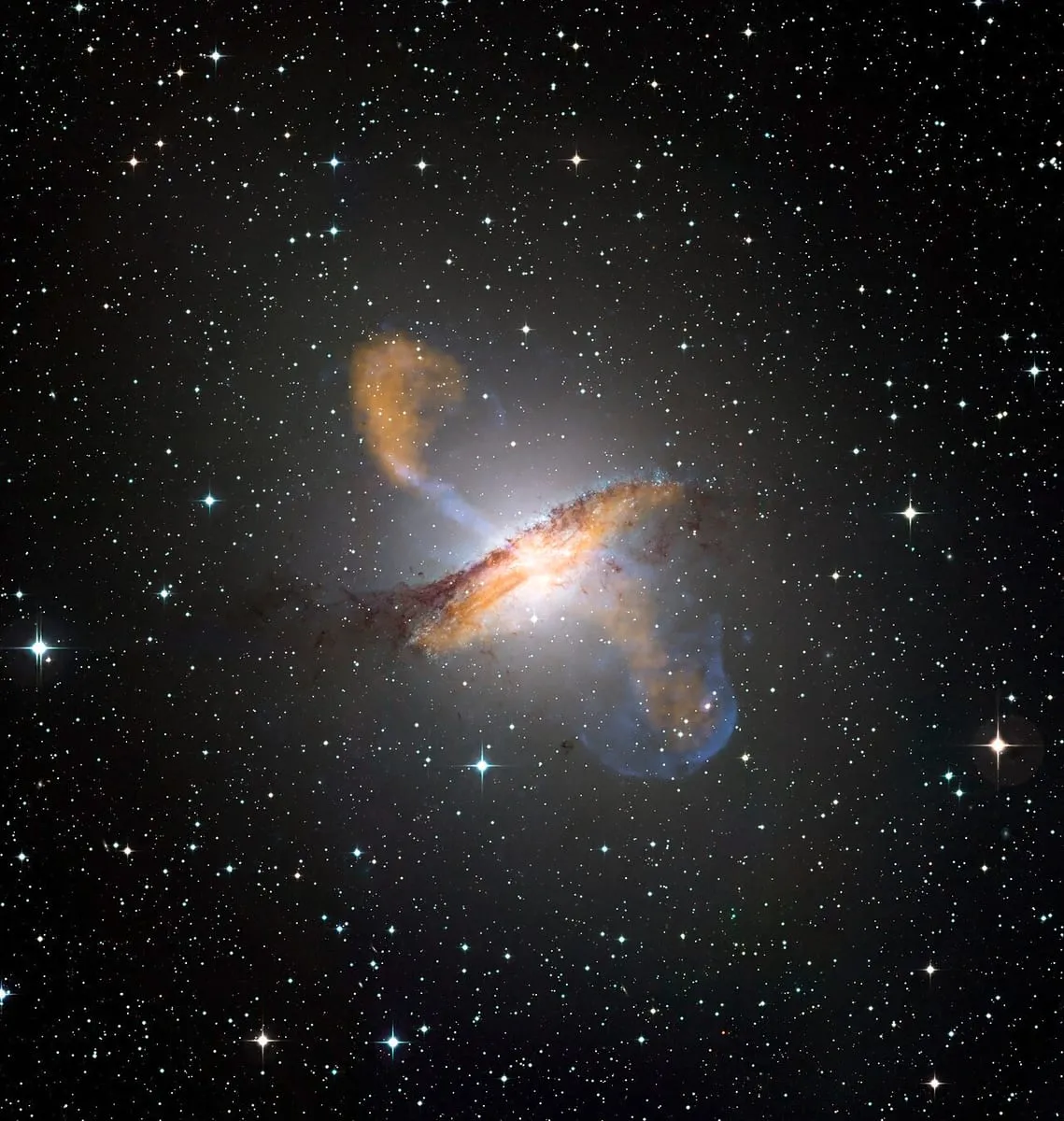
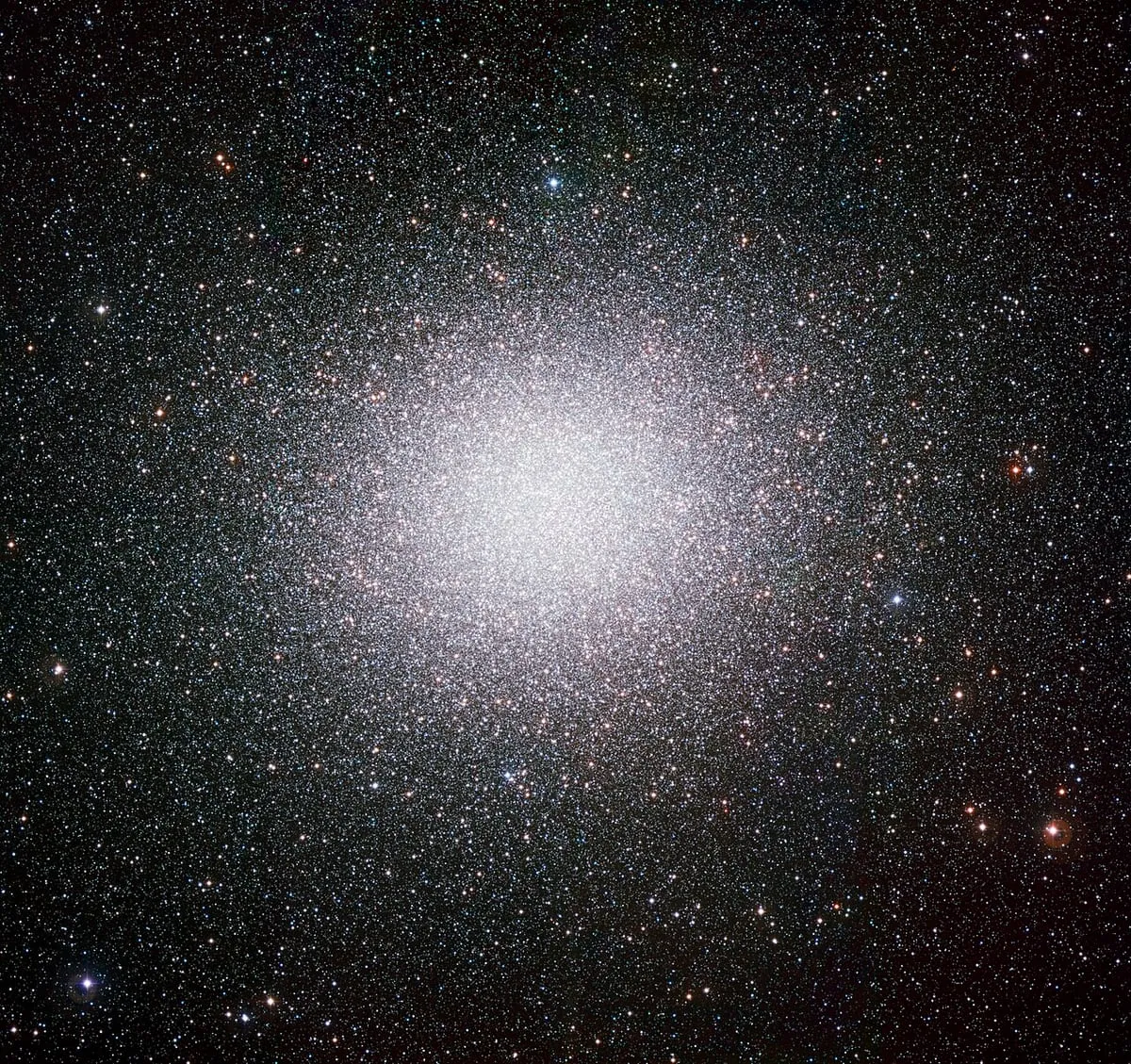
- Black Eye Galaxy, Sunflower Galaxy, Centaurus A, Omega Centauri, Whirlpool Galaxy, Messier 3, Pinwheel Galaxy
- May
- Rho Ophiuchi Cloud Complex, Great Hercules Cluster
- June
- Cat’s Paw Nebula, Milky Way Core, Trifid Nebula, Lagoon Nebula, Eagle Nebula, Omega Nebula
- July
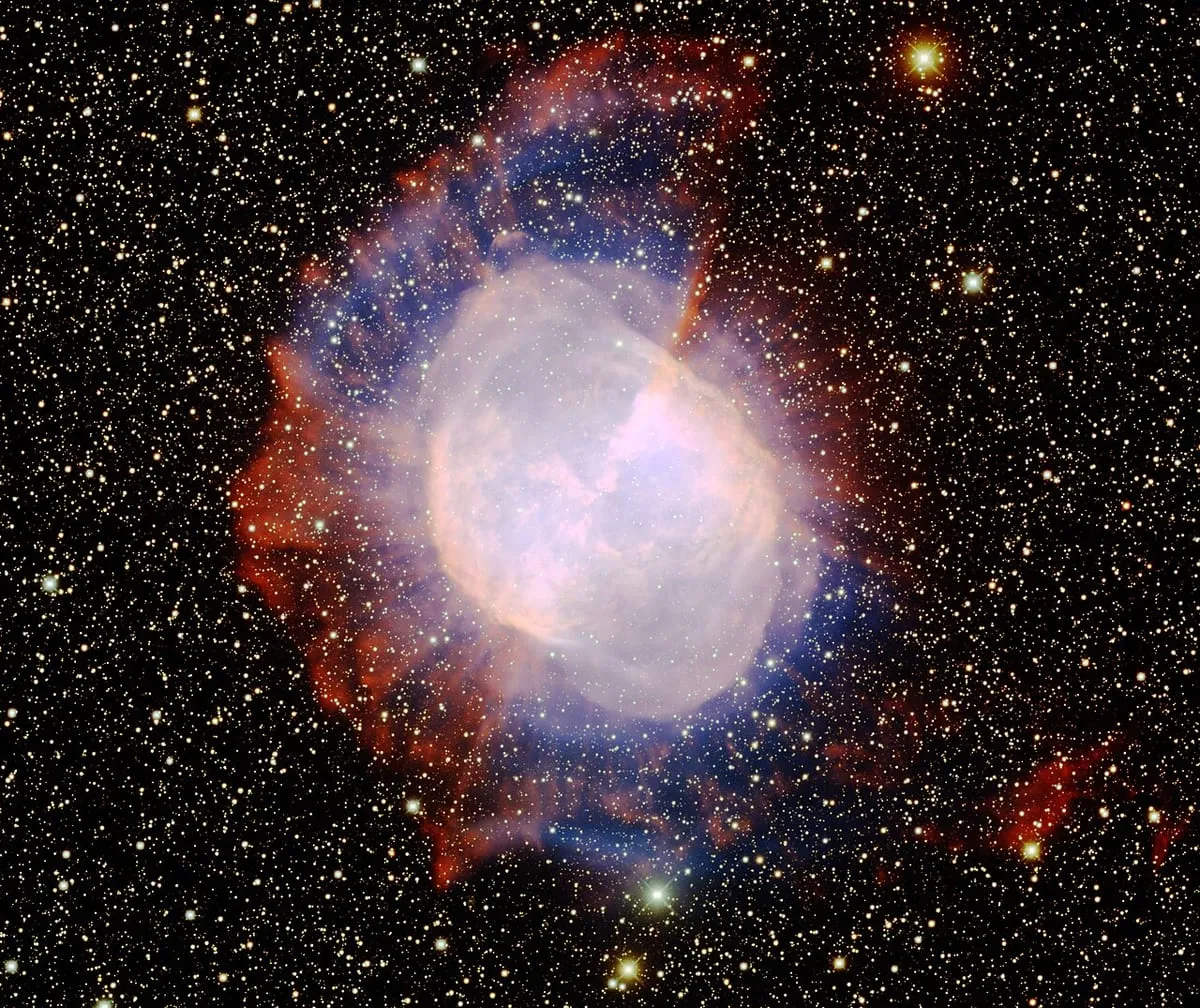
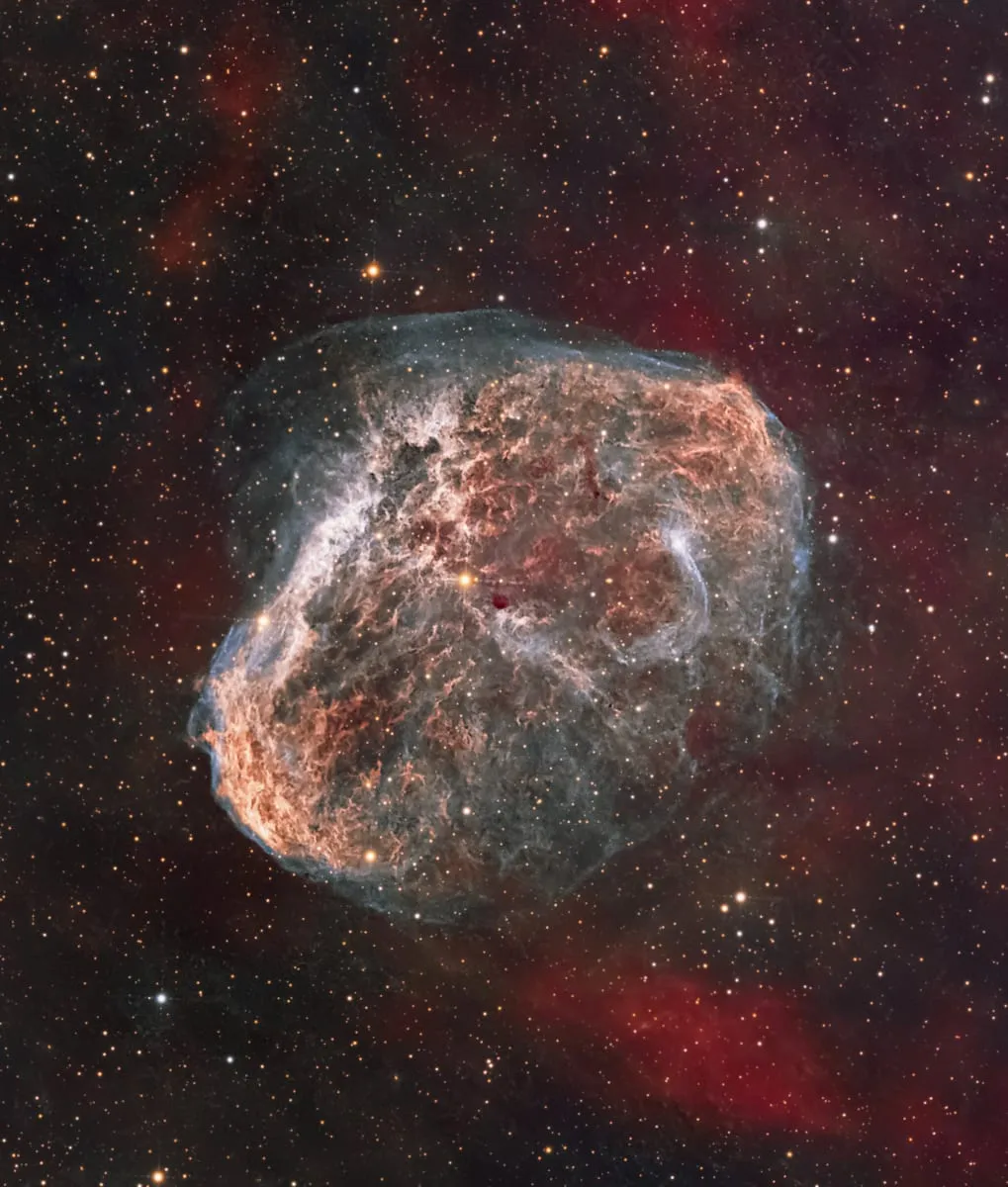
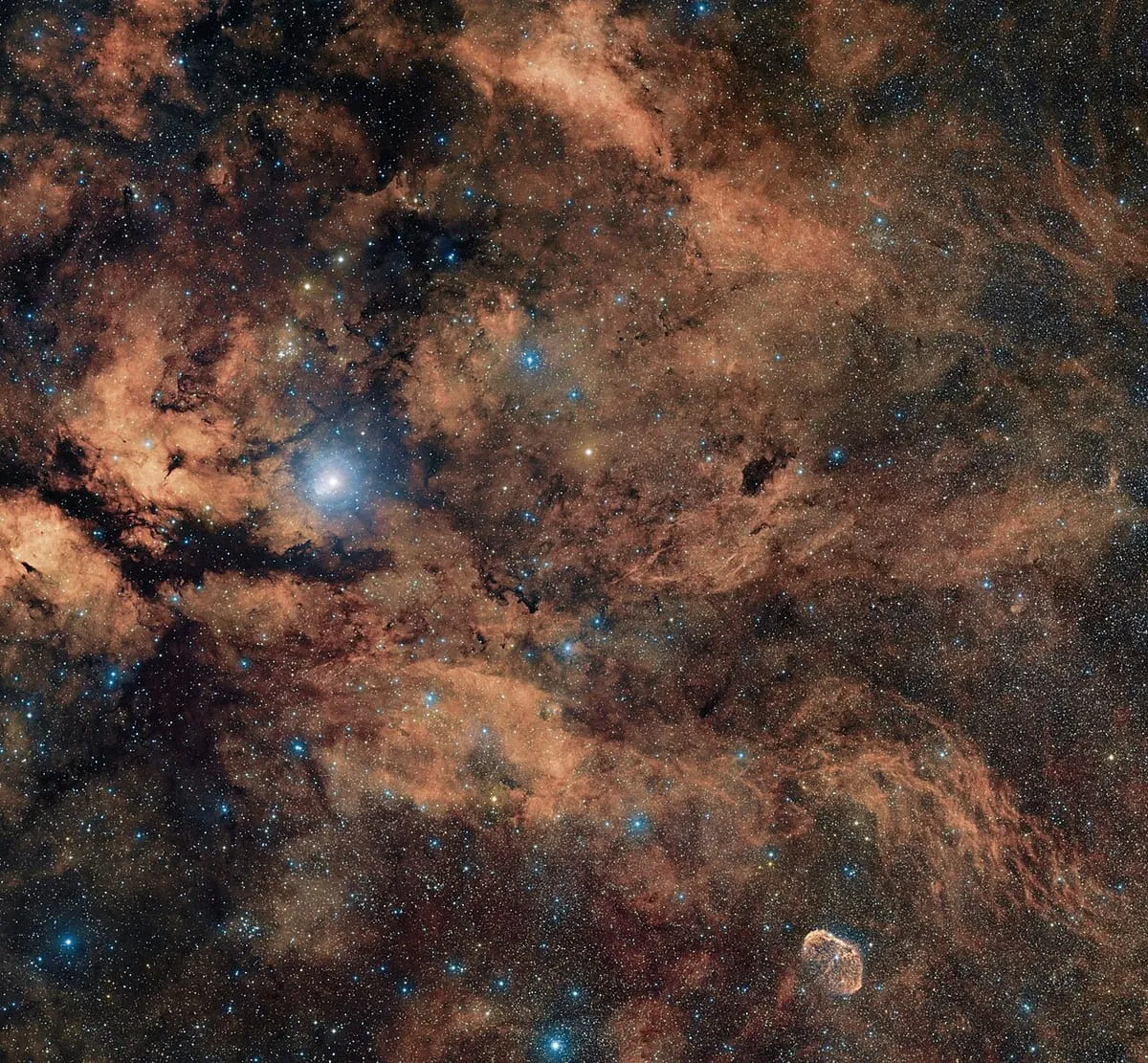
- Ring Nebula, Dumbbell Nebula, Tulip Nebula, Crescent Nebula, Sadr Region, Fireworks Galaxy
- August
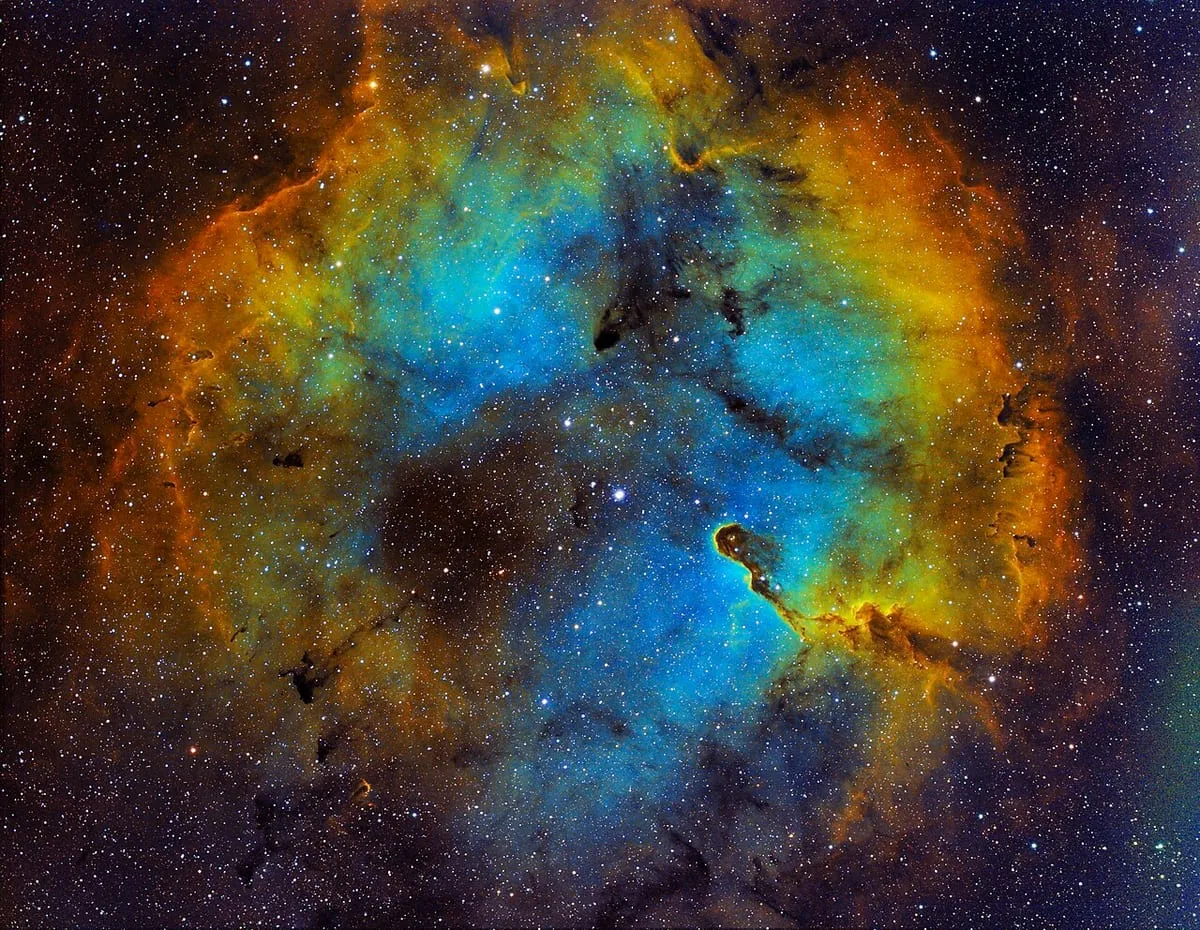
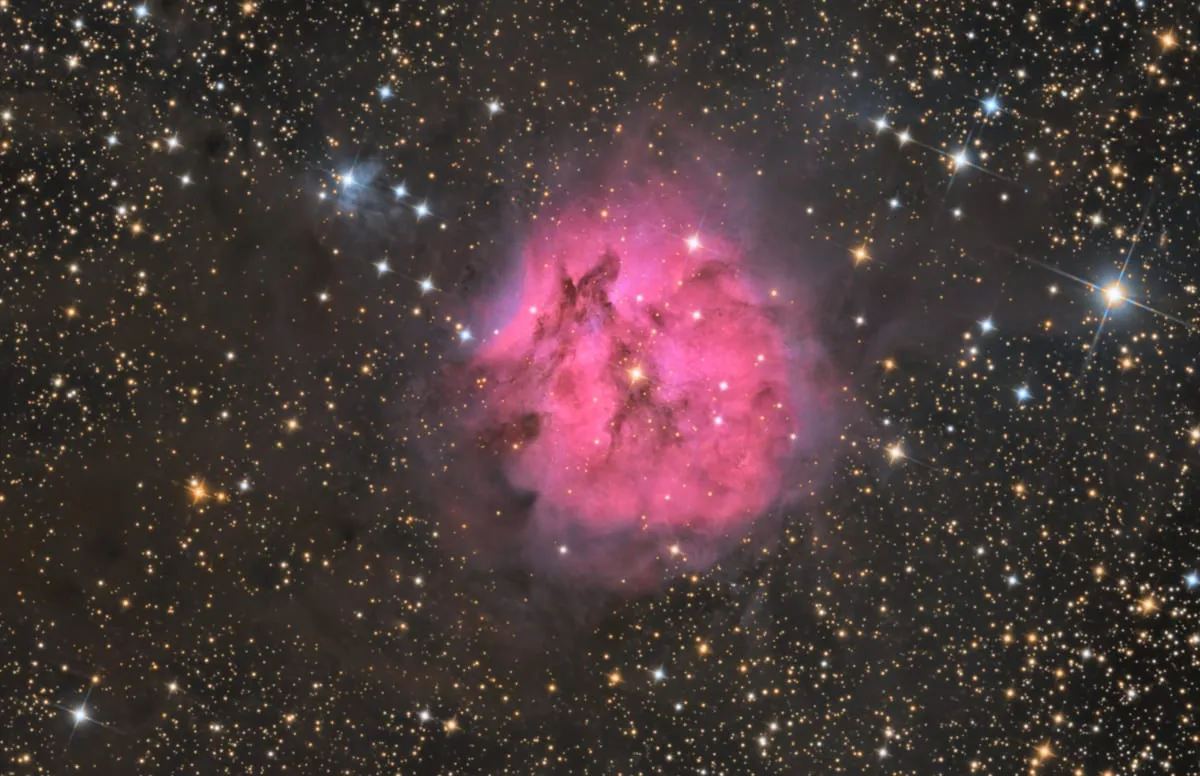
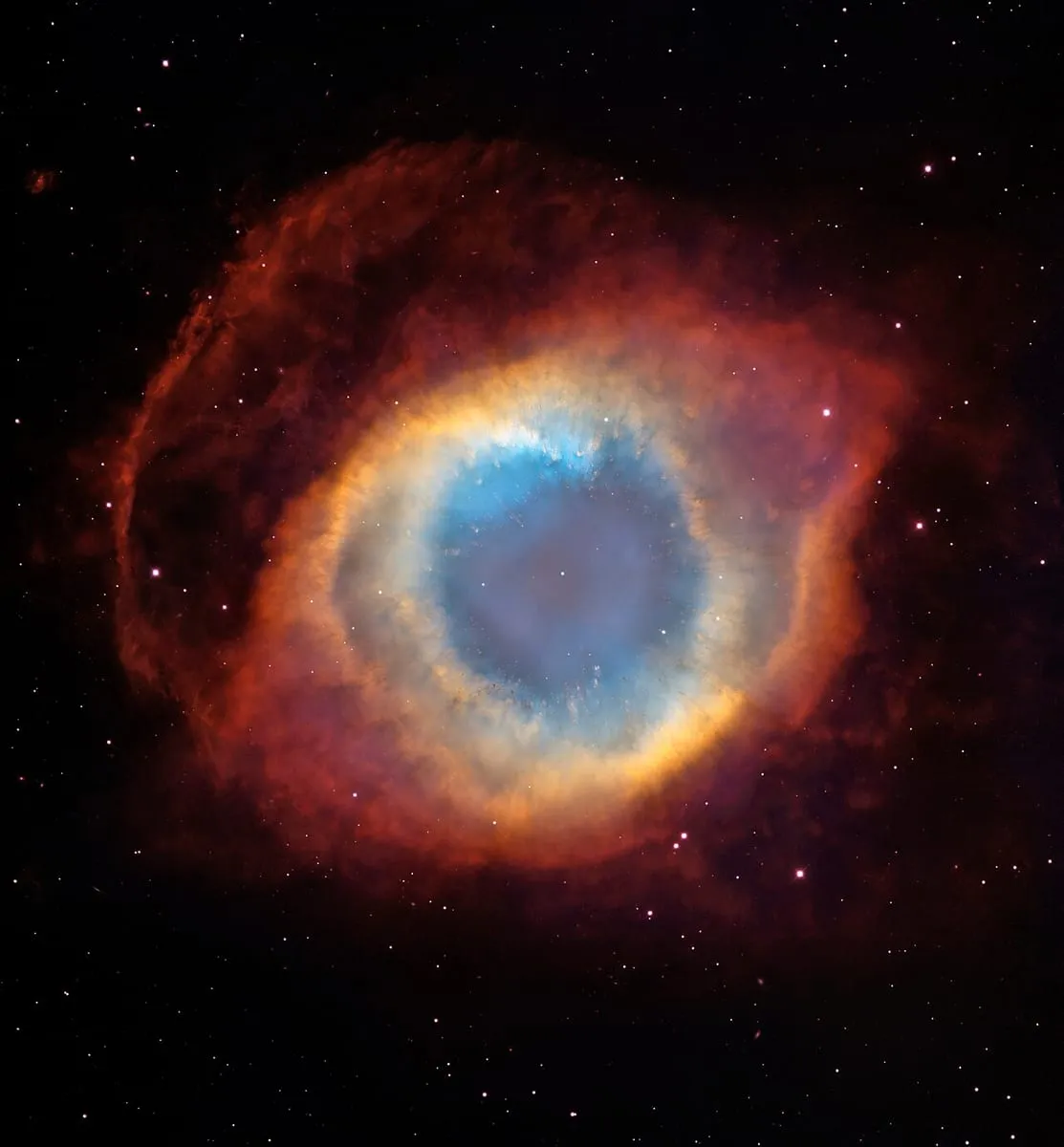
- Veil Nebula, North America & Pelican Nebulae, Iris Nebula, Elephant’s Trunk Nebula, Cocoon Nebula, Helix Nebula
- September
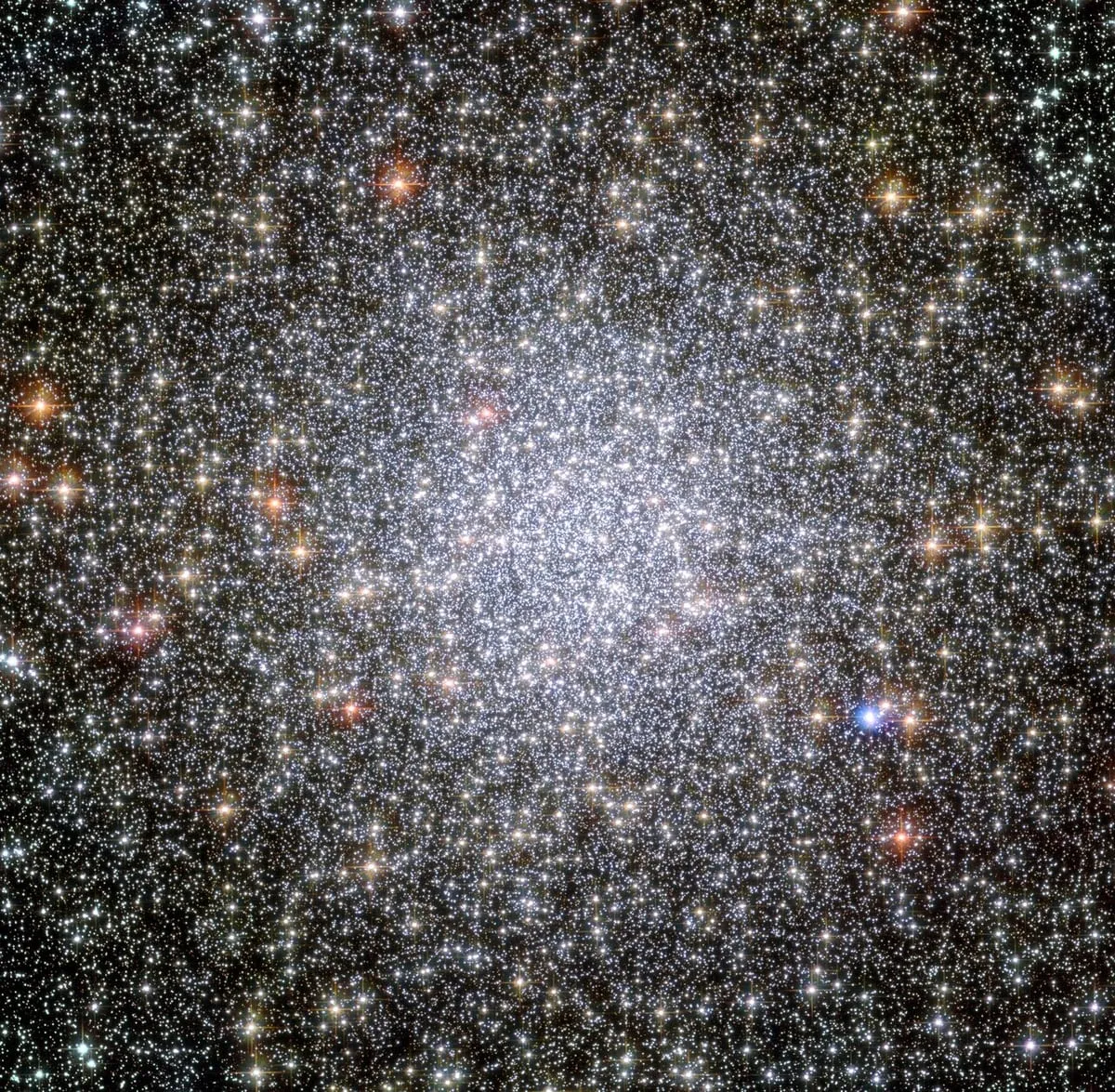
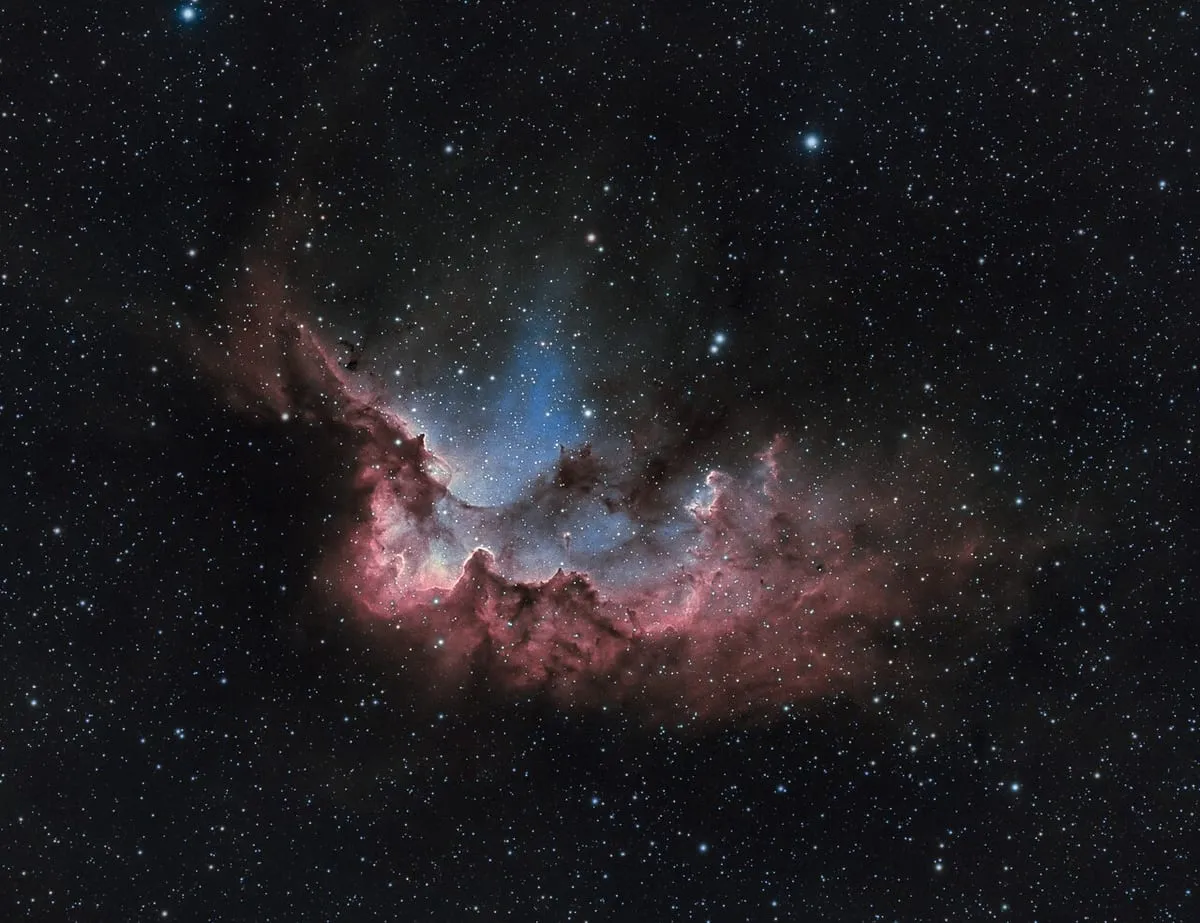
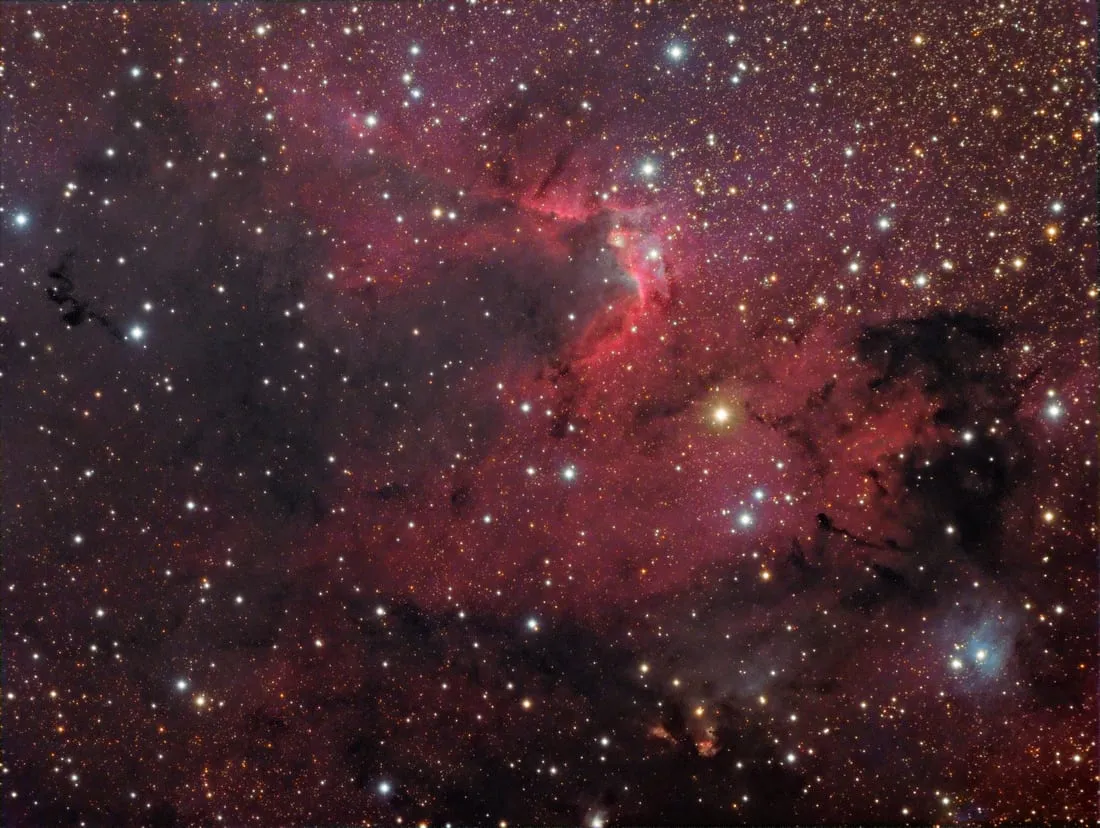
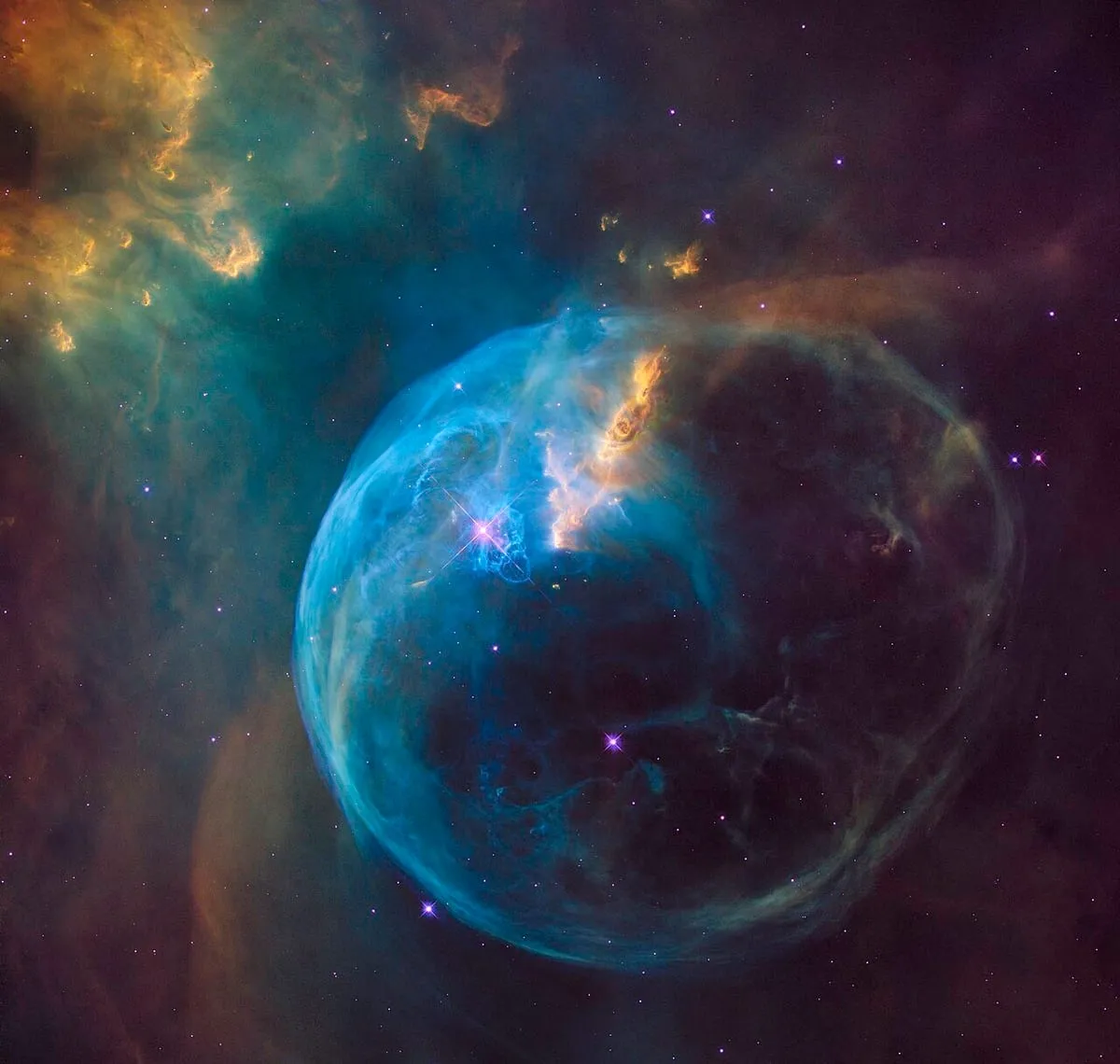
- 47 Tucanae, Wizard Nebula, Cave Nebula, Bubble Nebula
- October
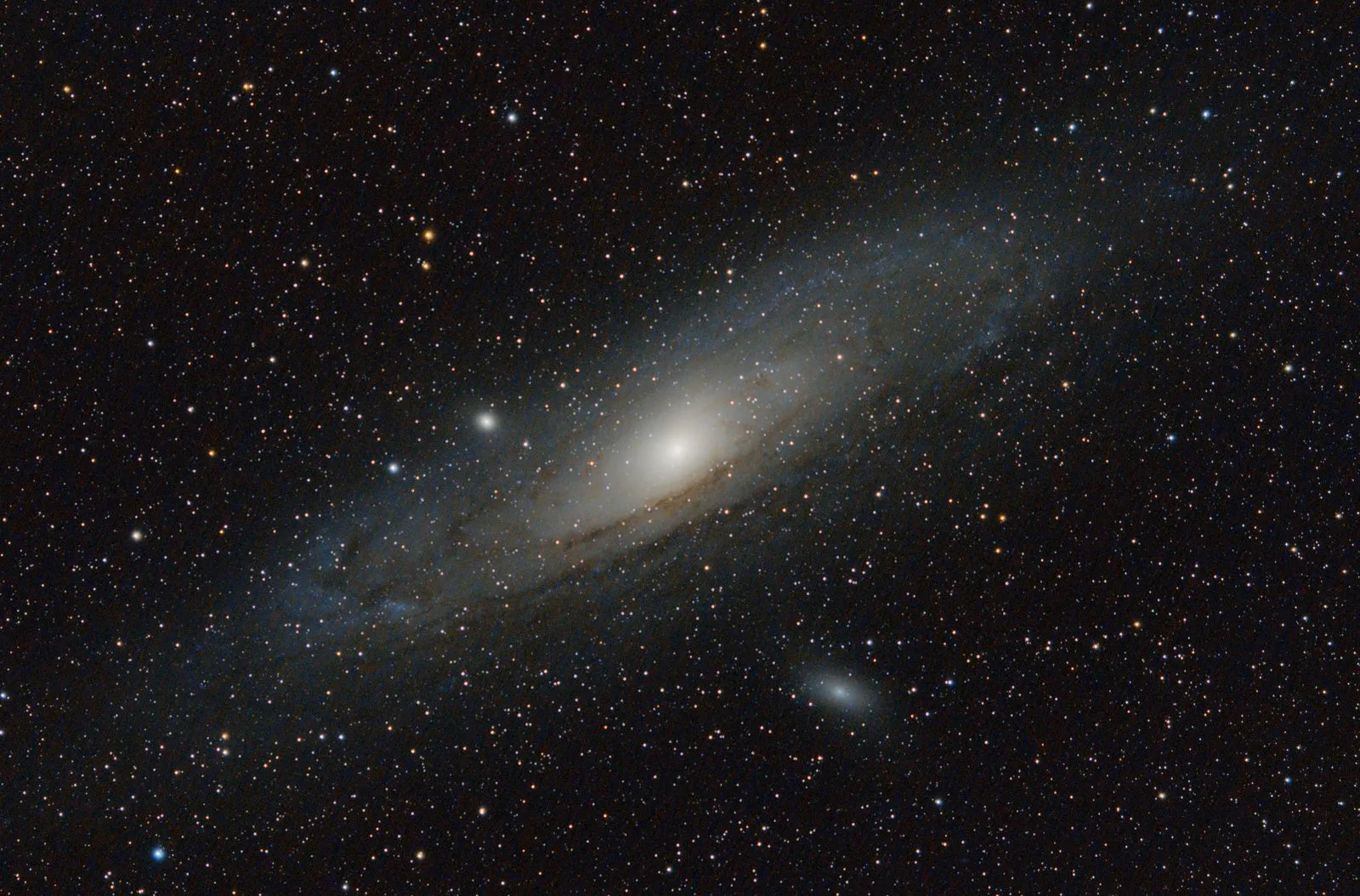
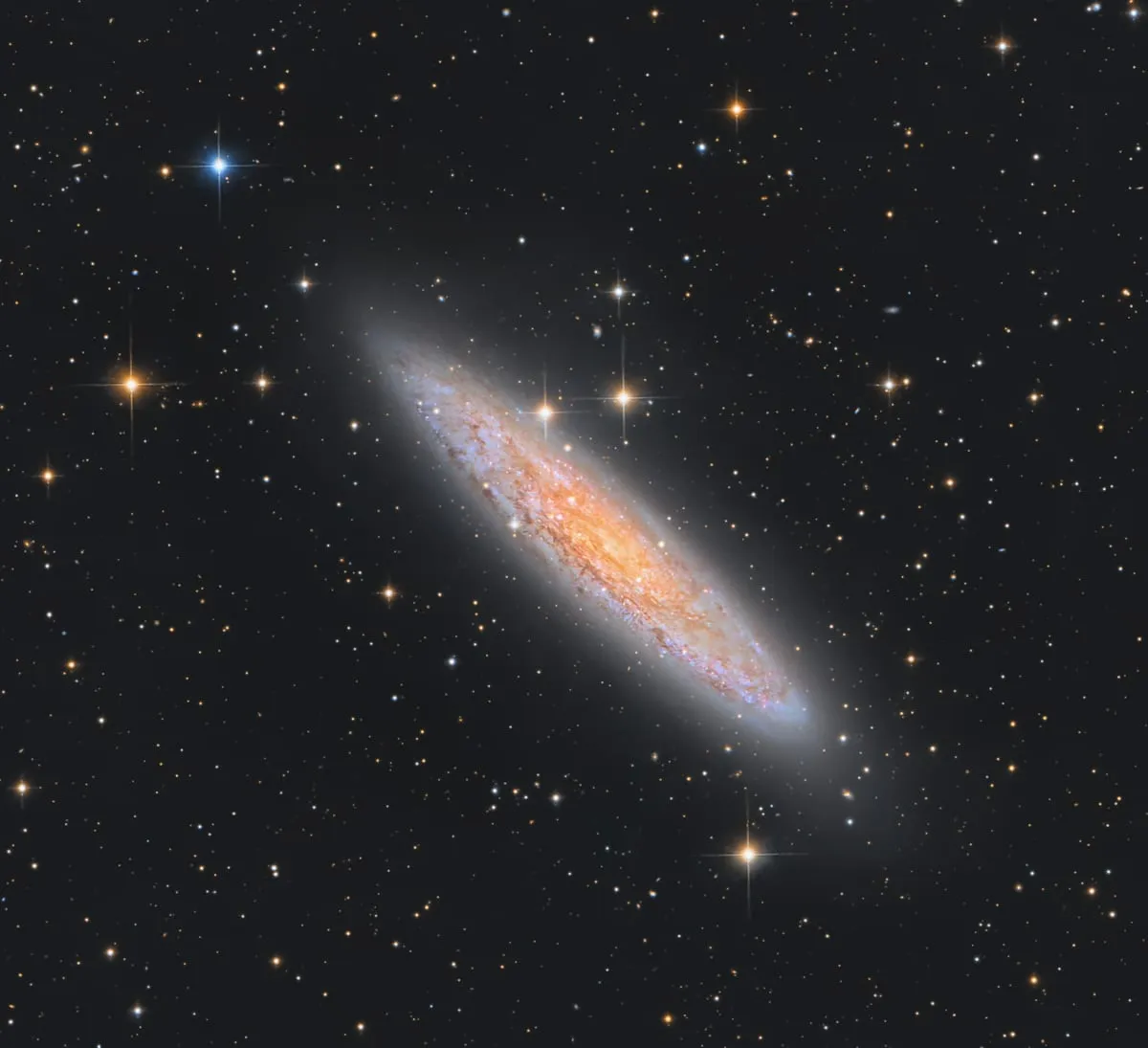
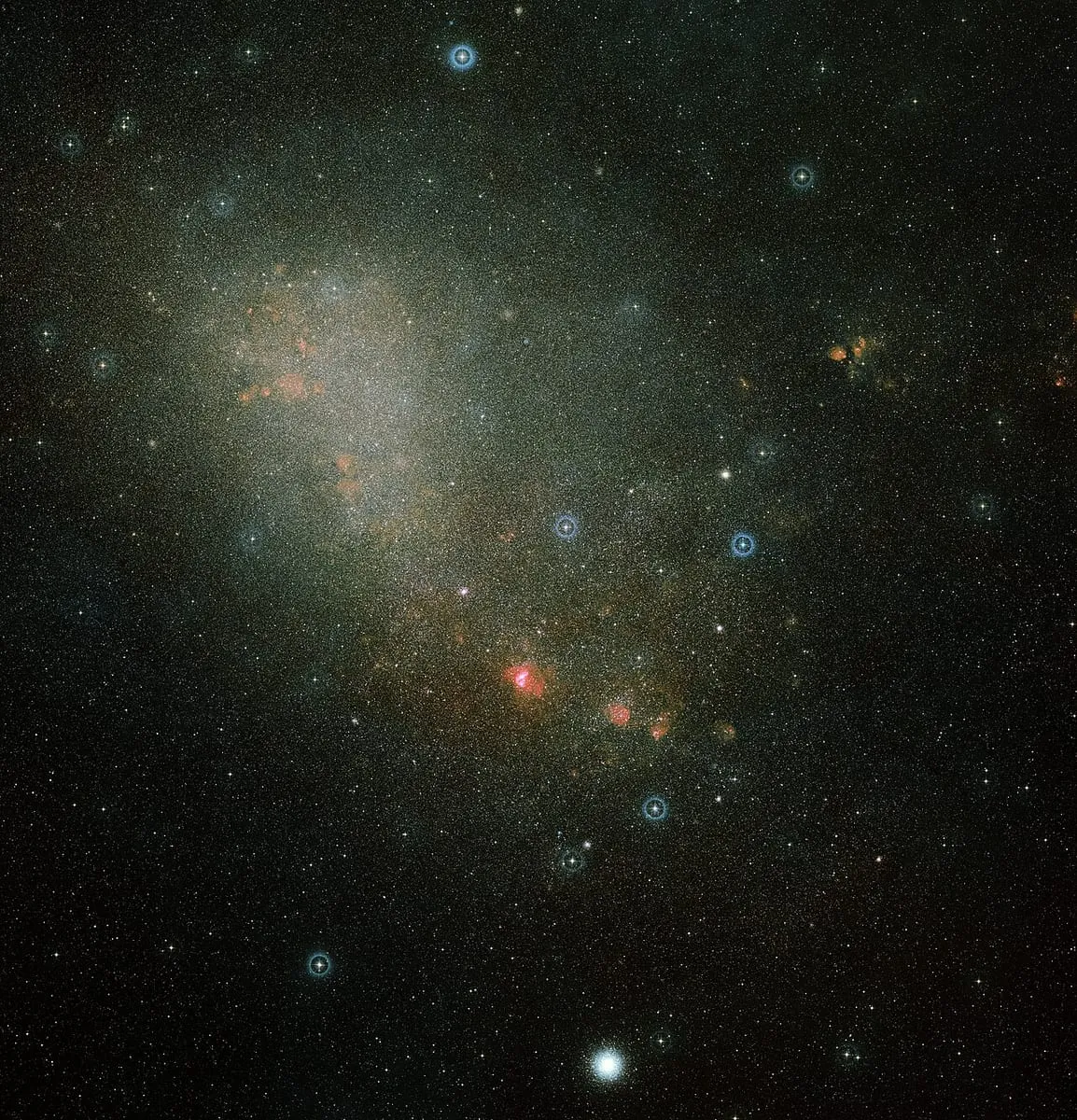
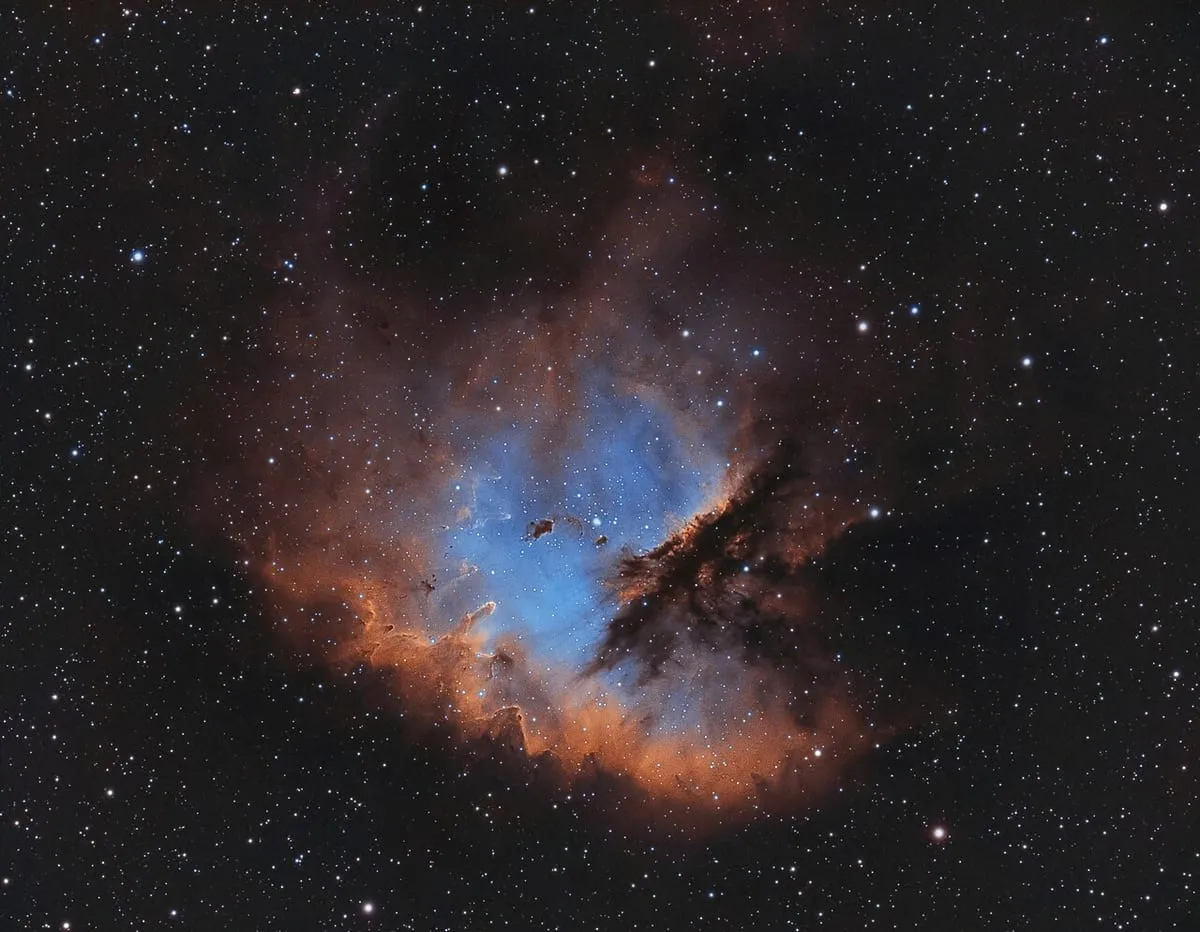
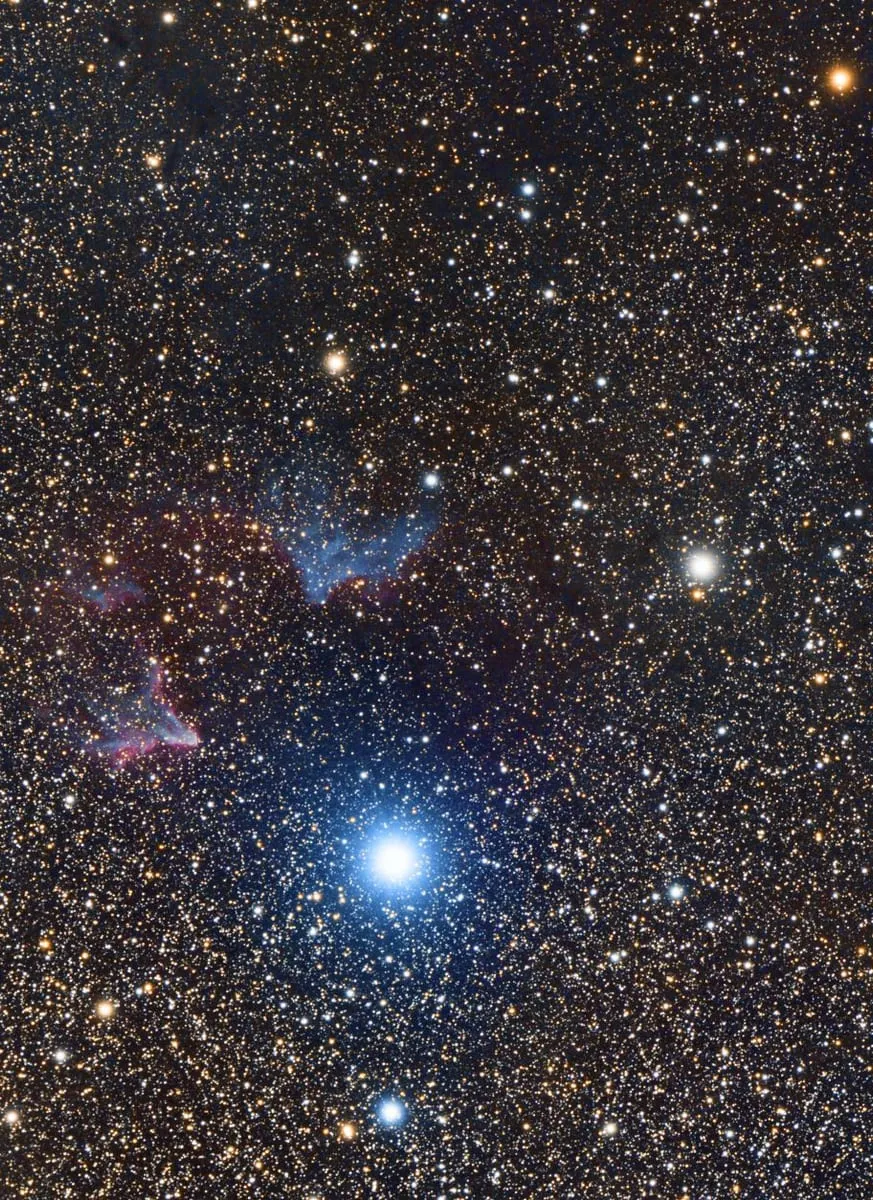
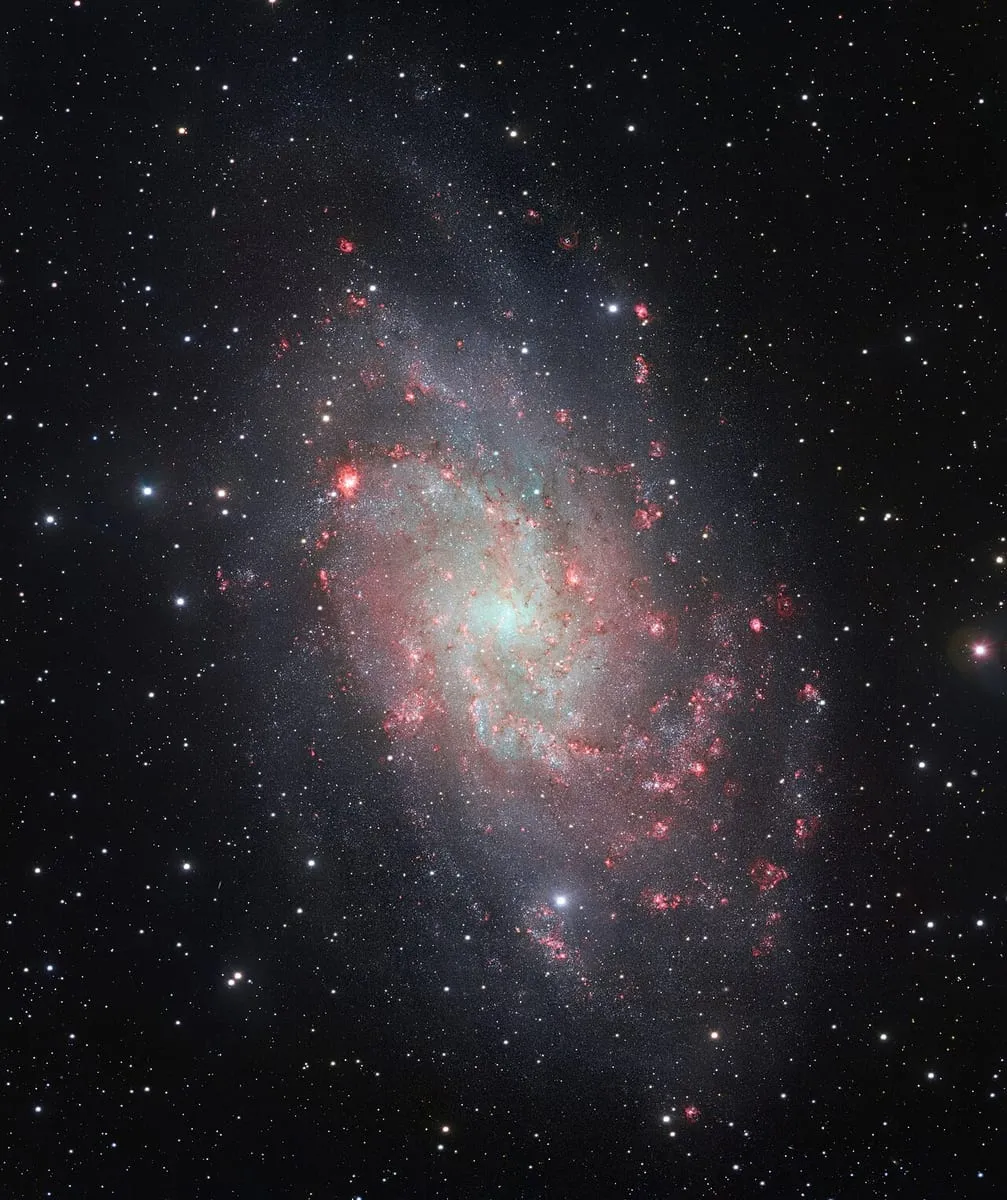
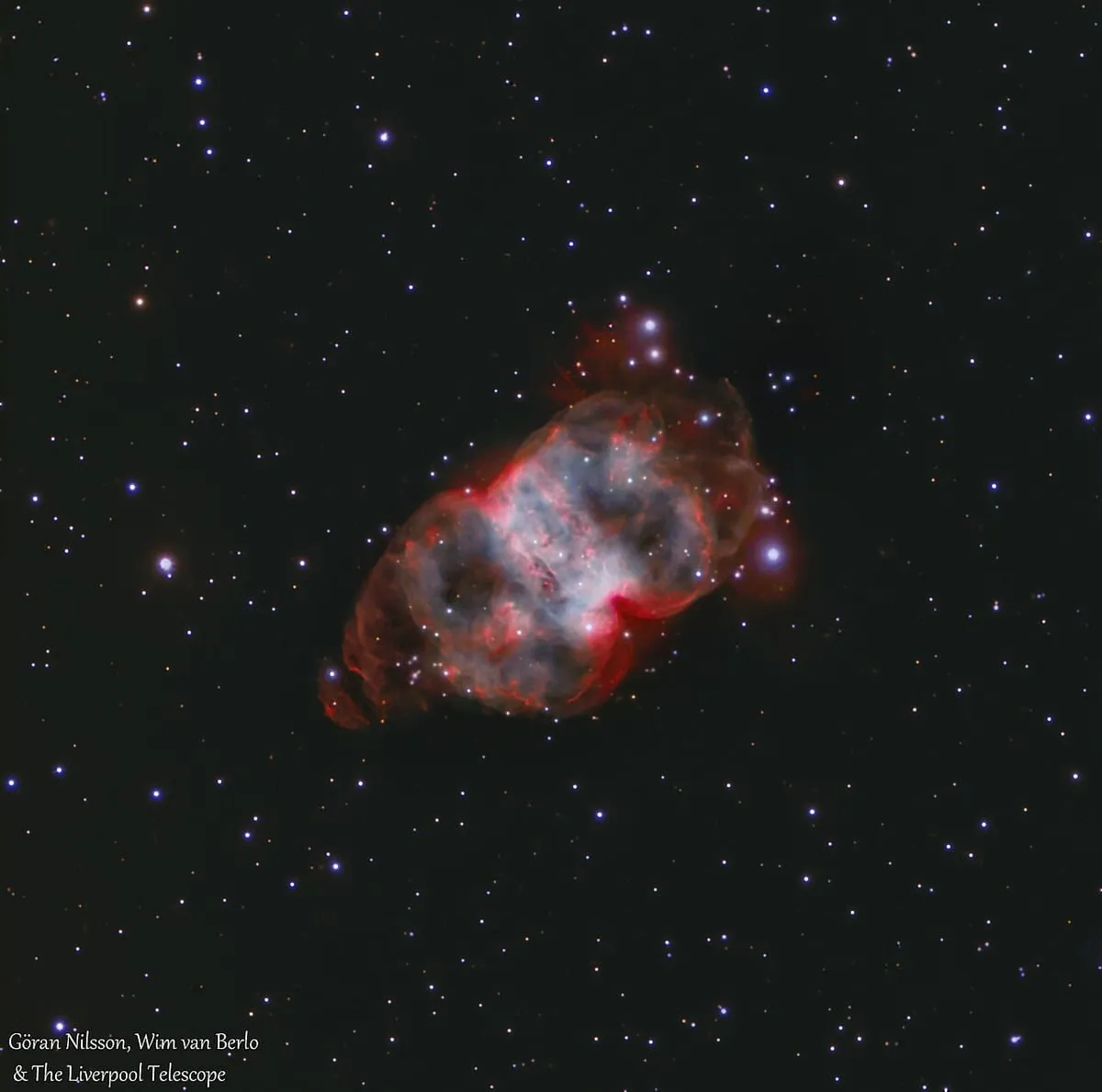
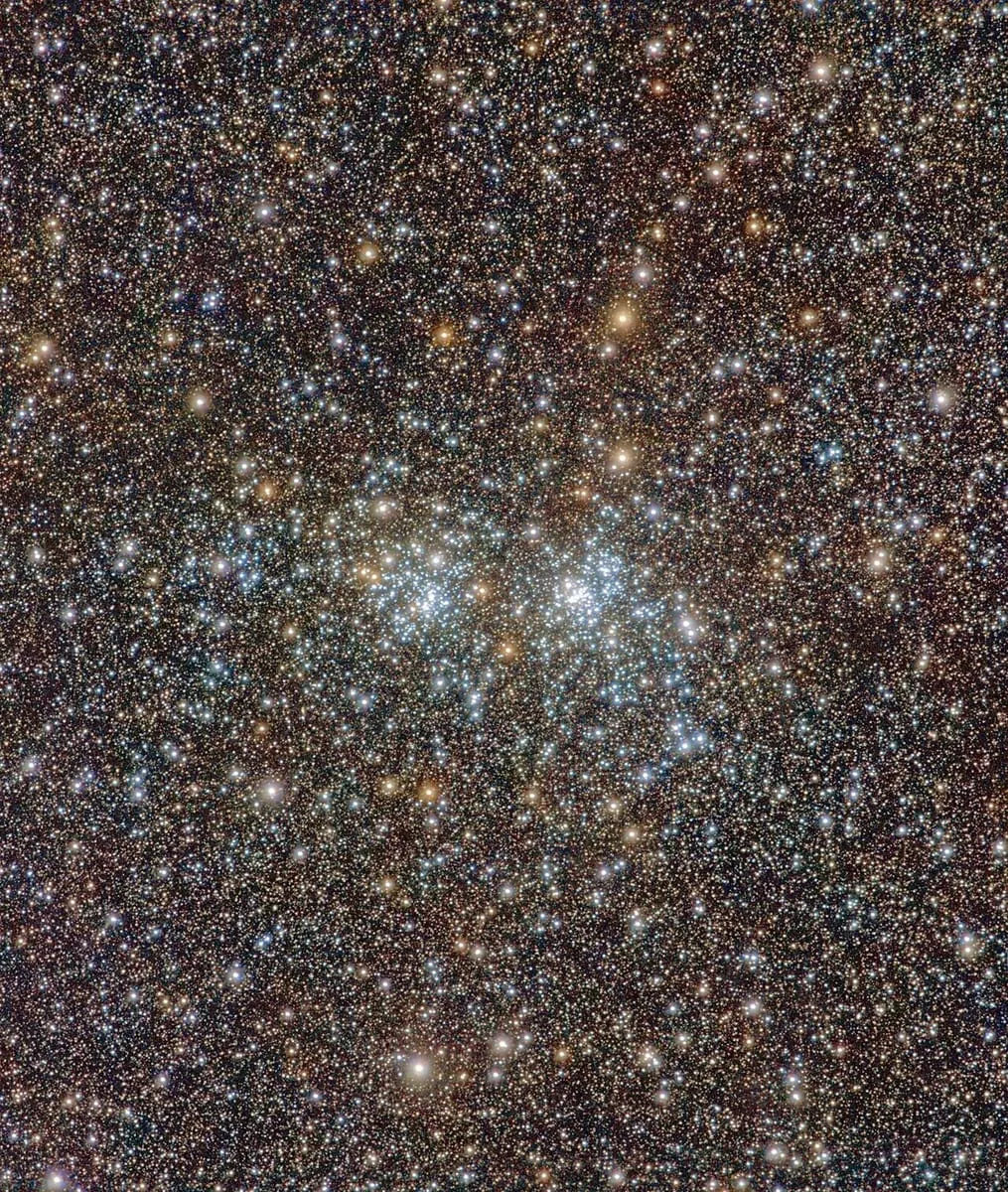
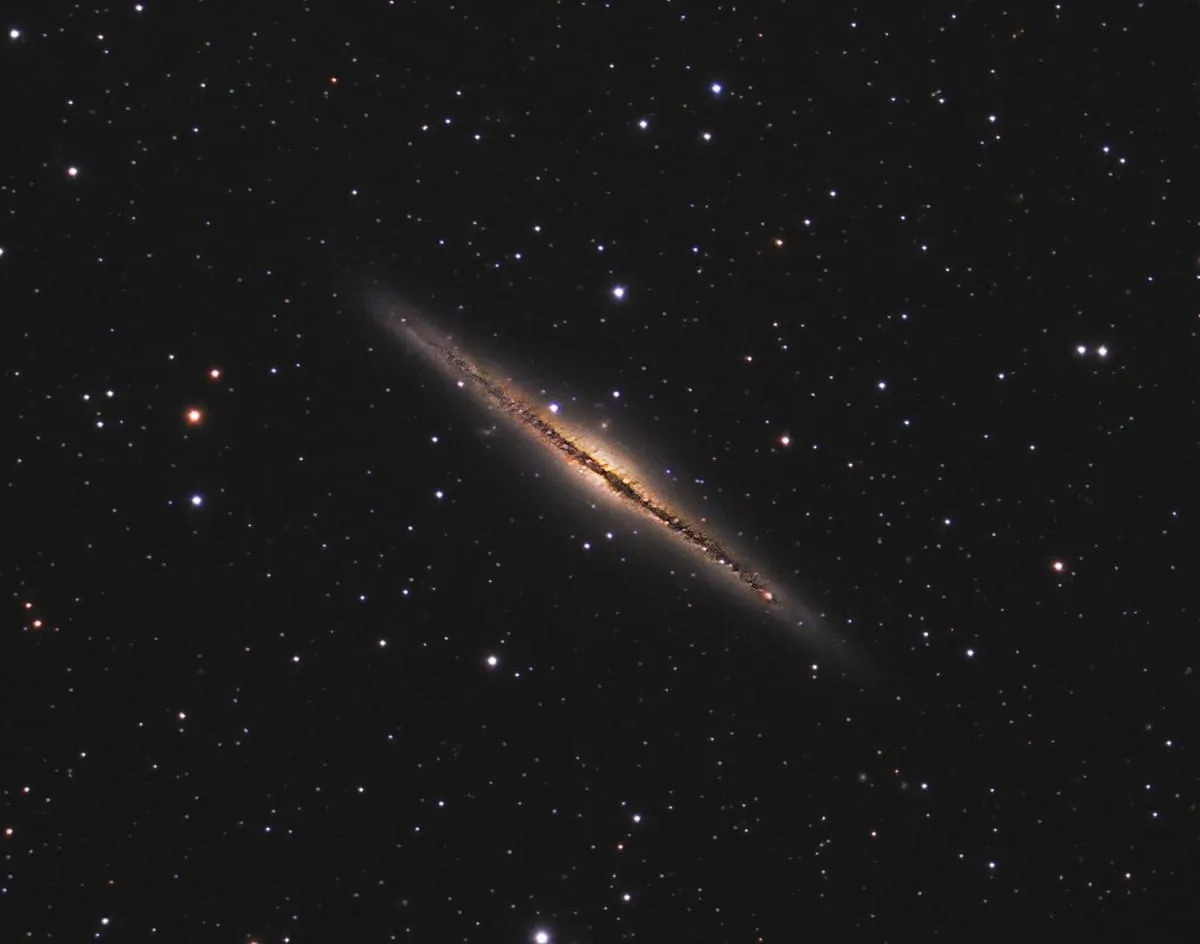
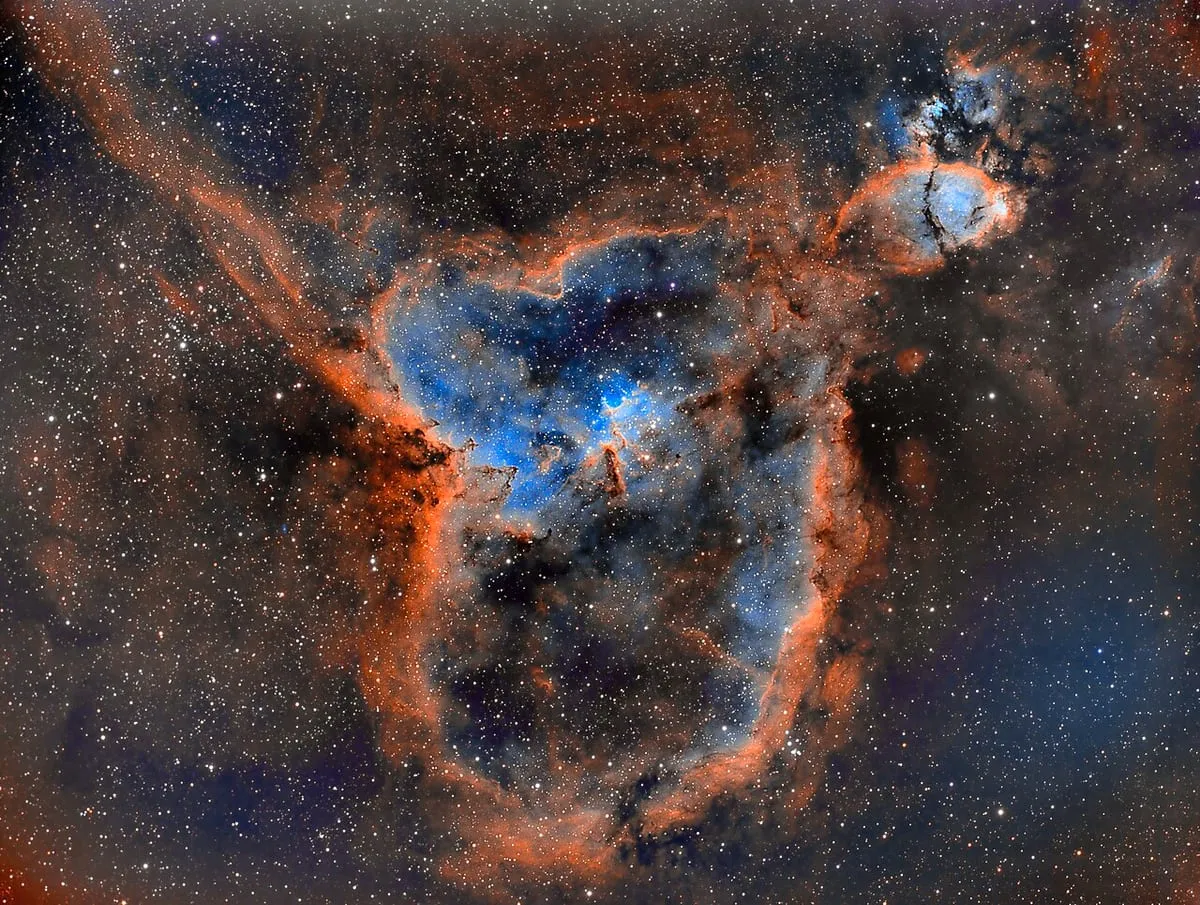
- Andromeda Galaxy, Sculptor Galaxy, Small Magellanic Cloud, Pacman Nebula, Ghost of Cassiopeia, Triangulum Galaxy, Little Dumbbell Nebula, Double Cluster, Silver Sliver Galaxy, Heart Nebula
- November
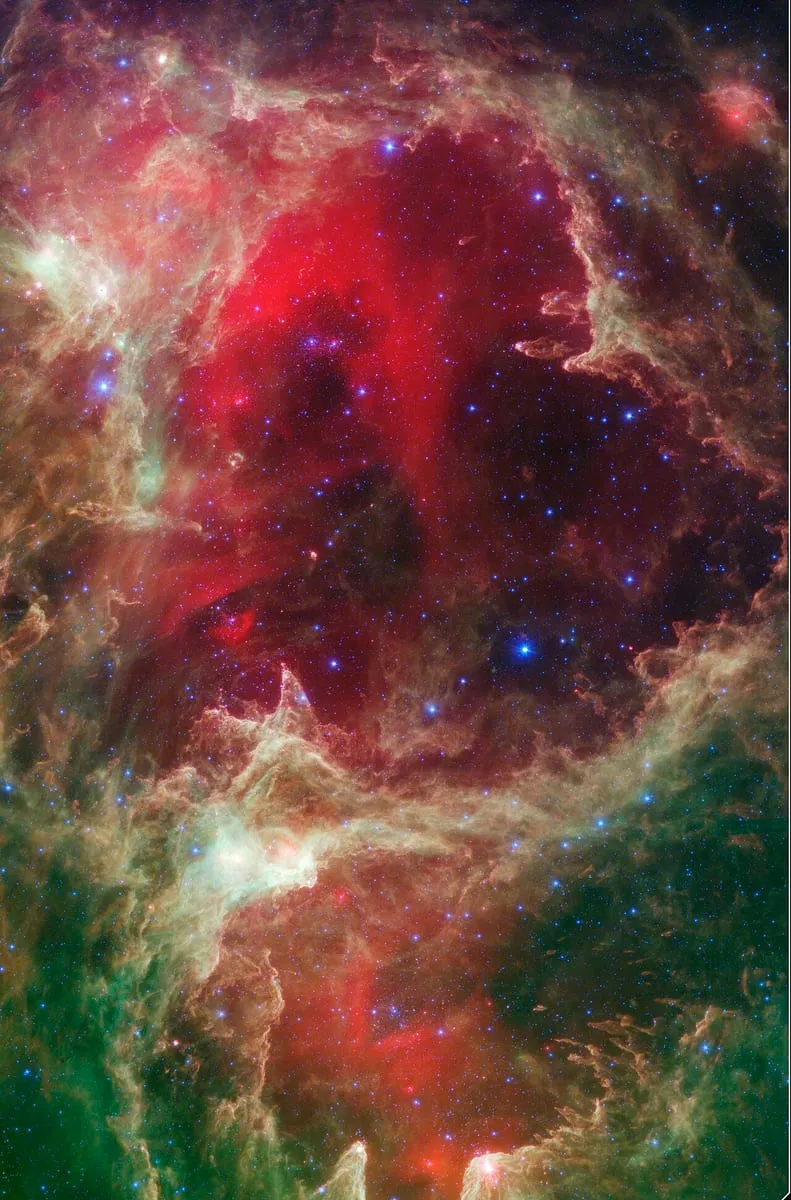
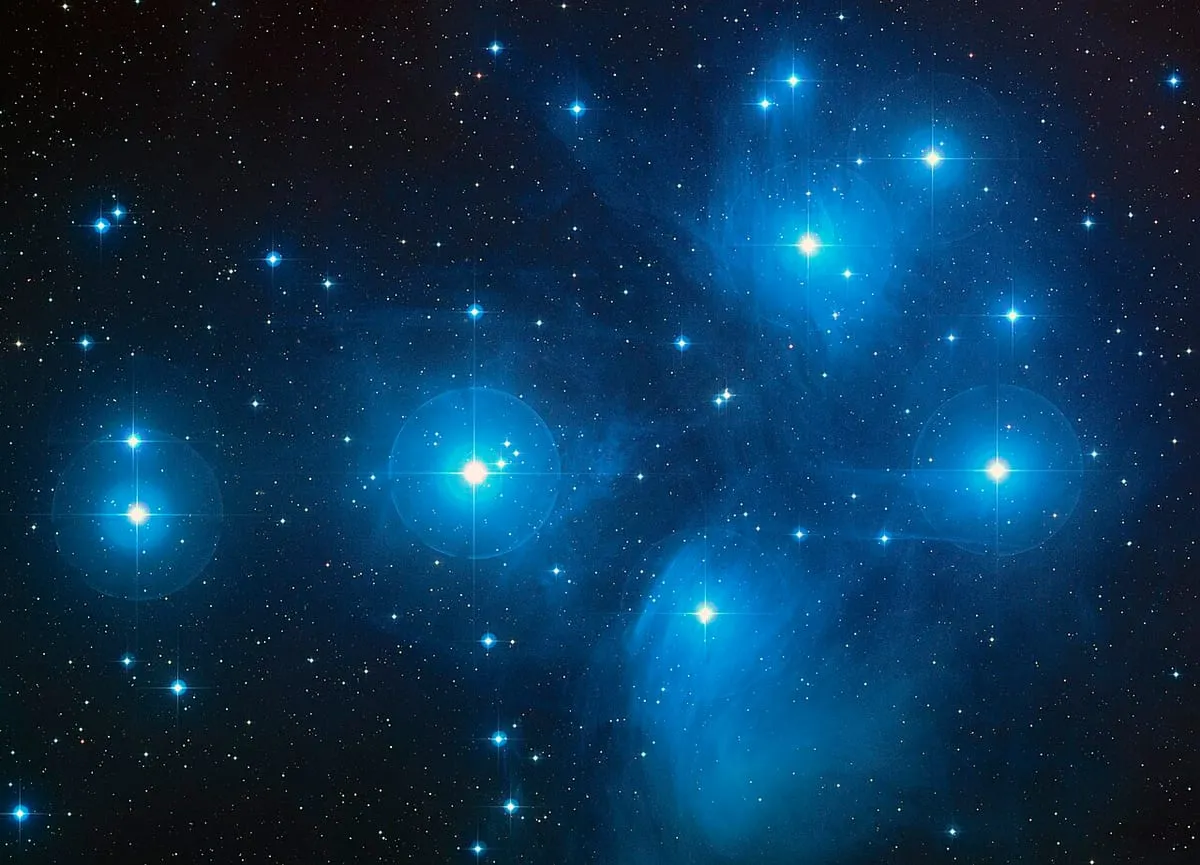
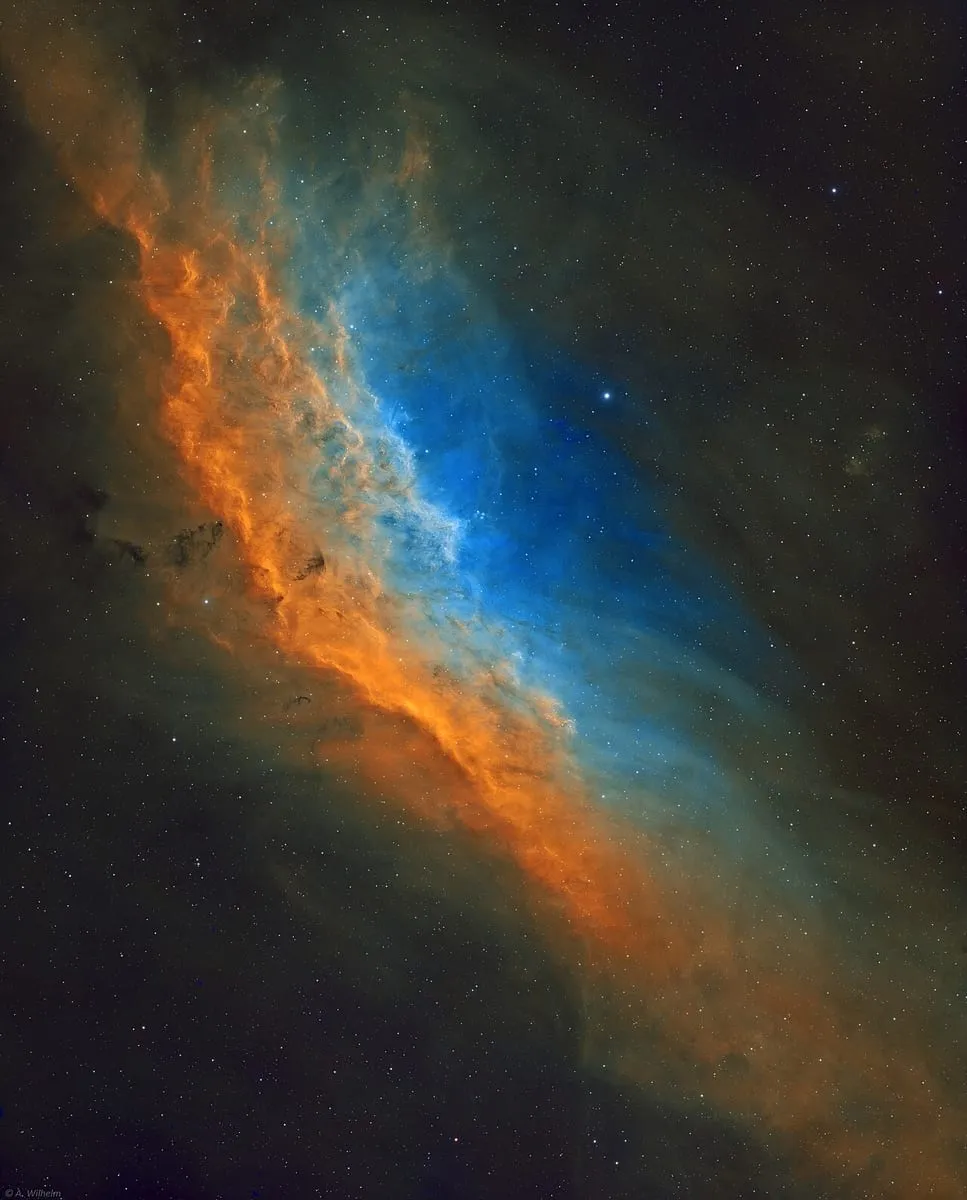
- Soul Nebula, Pleiades, California Nebula
- December
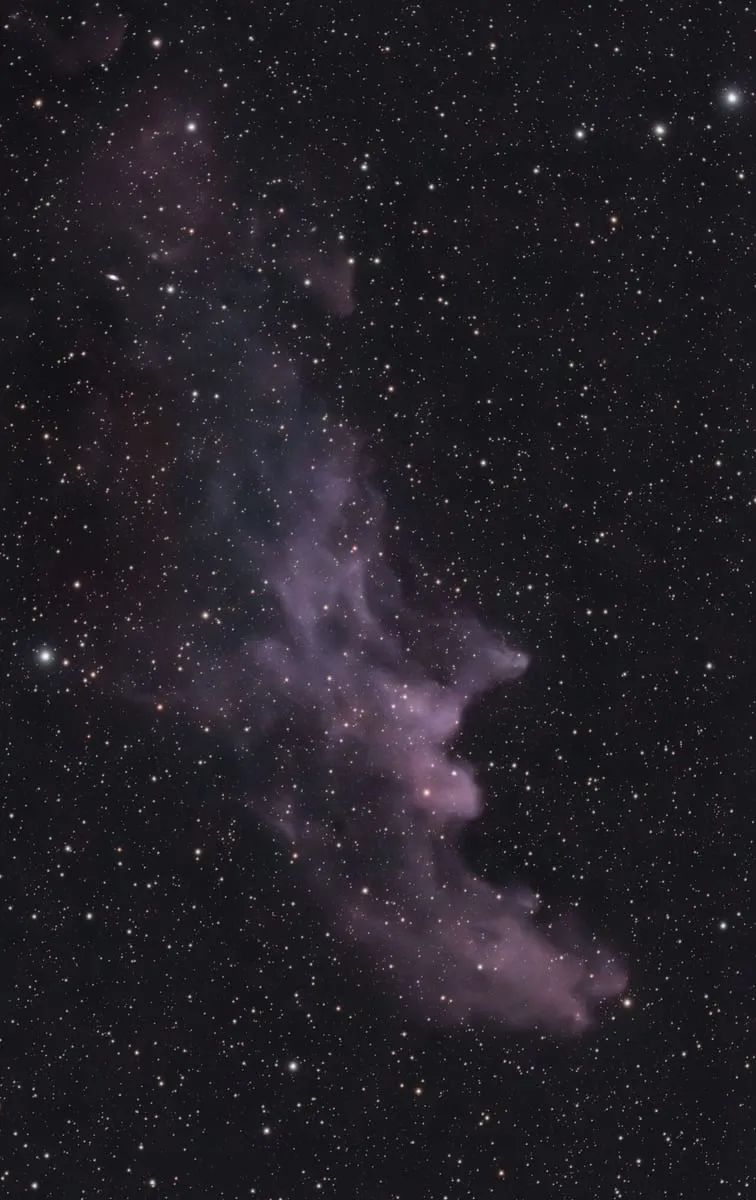
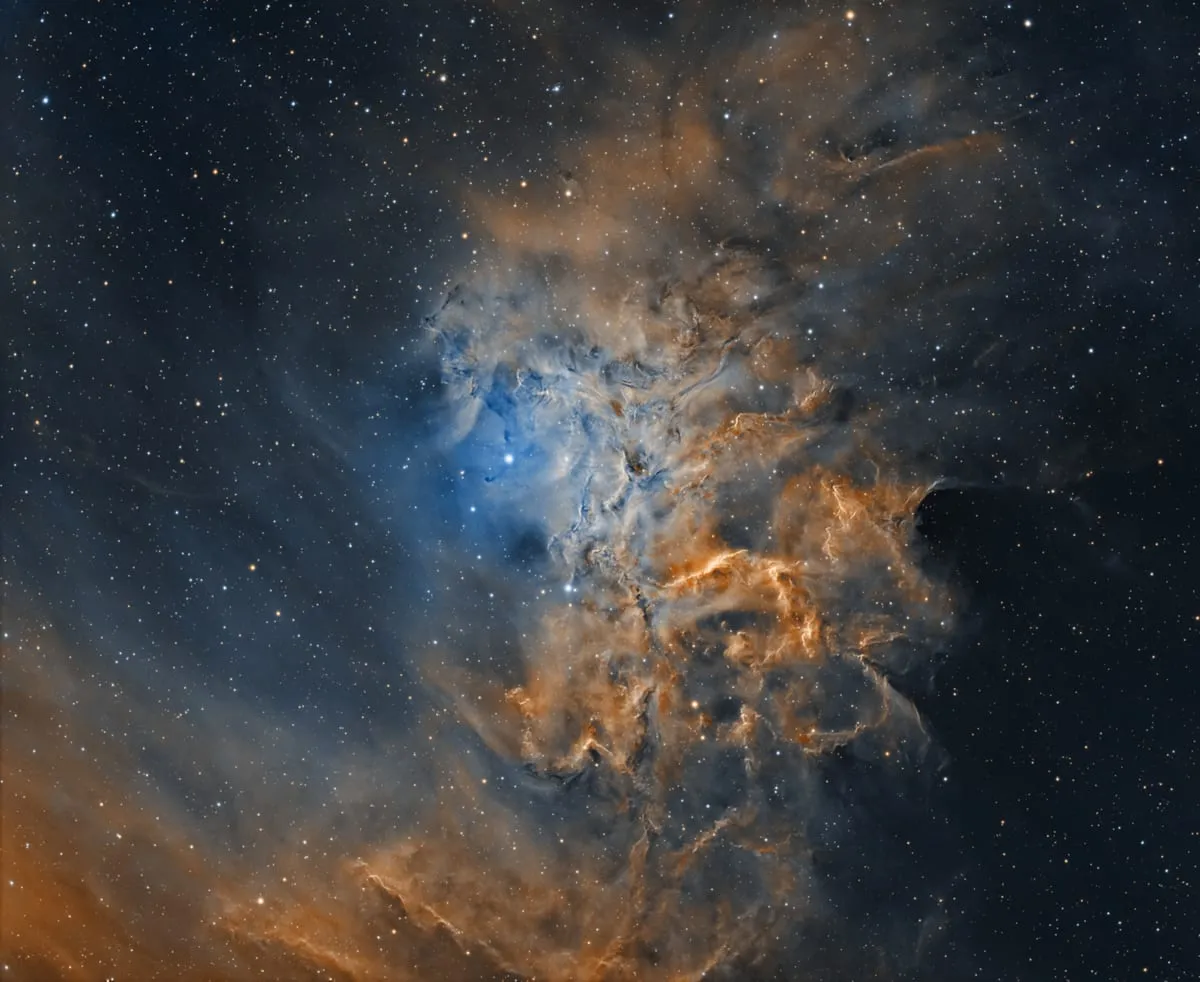
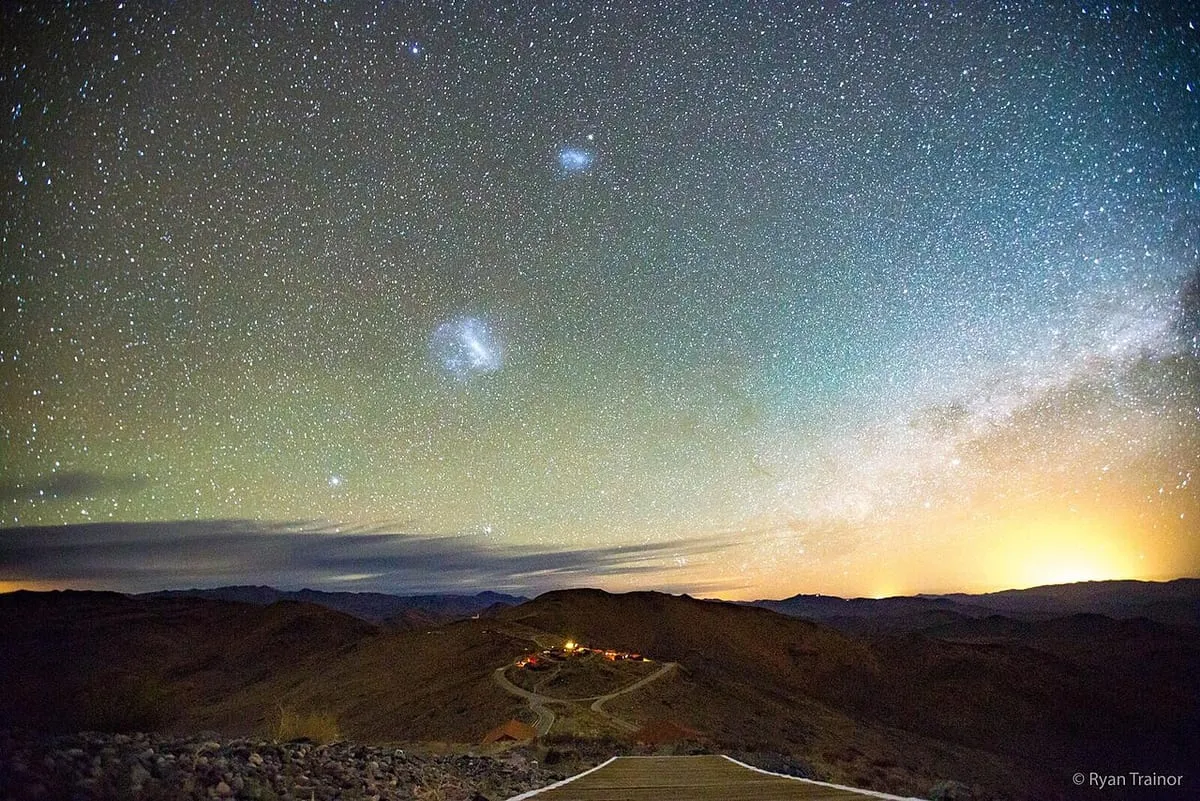
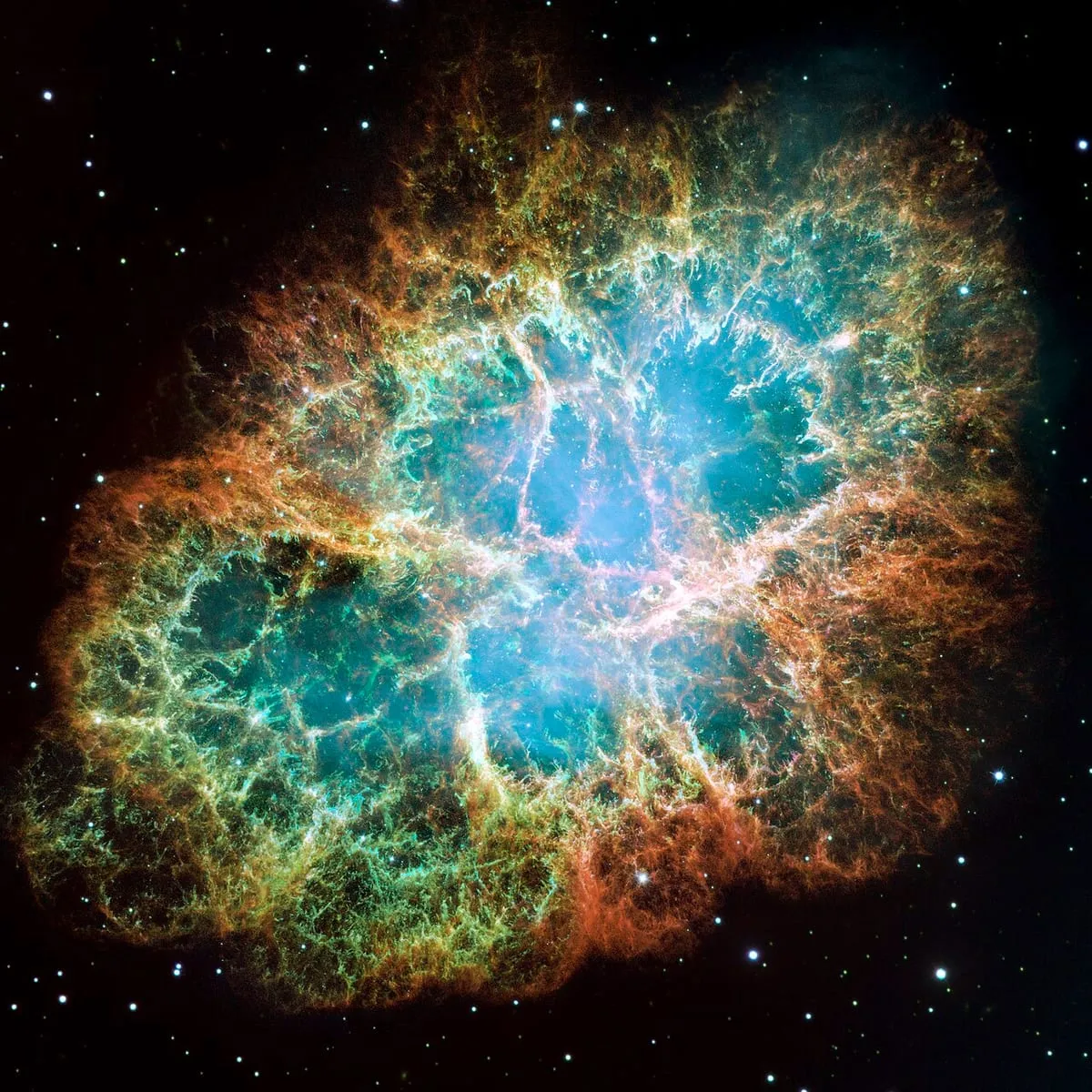
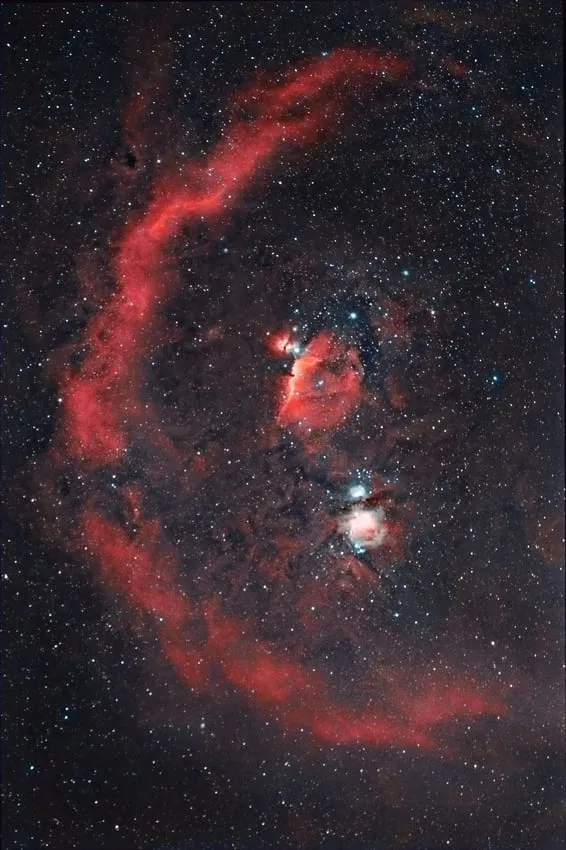
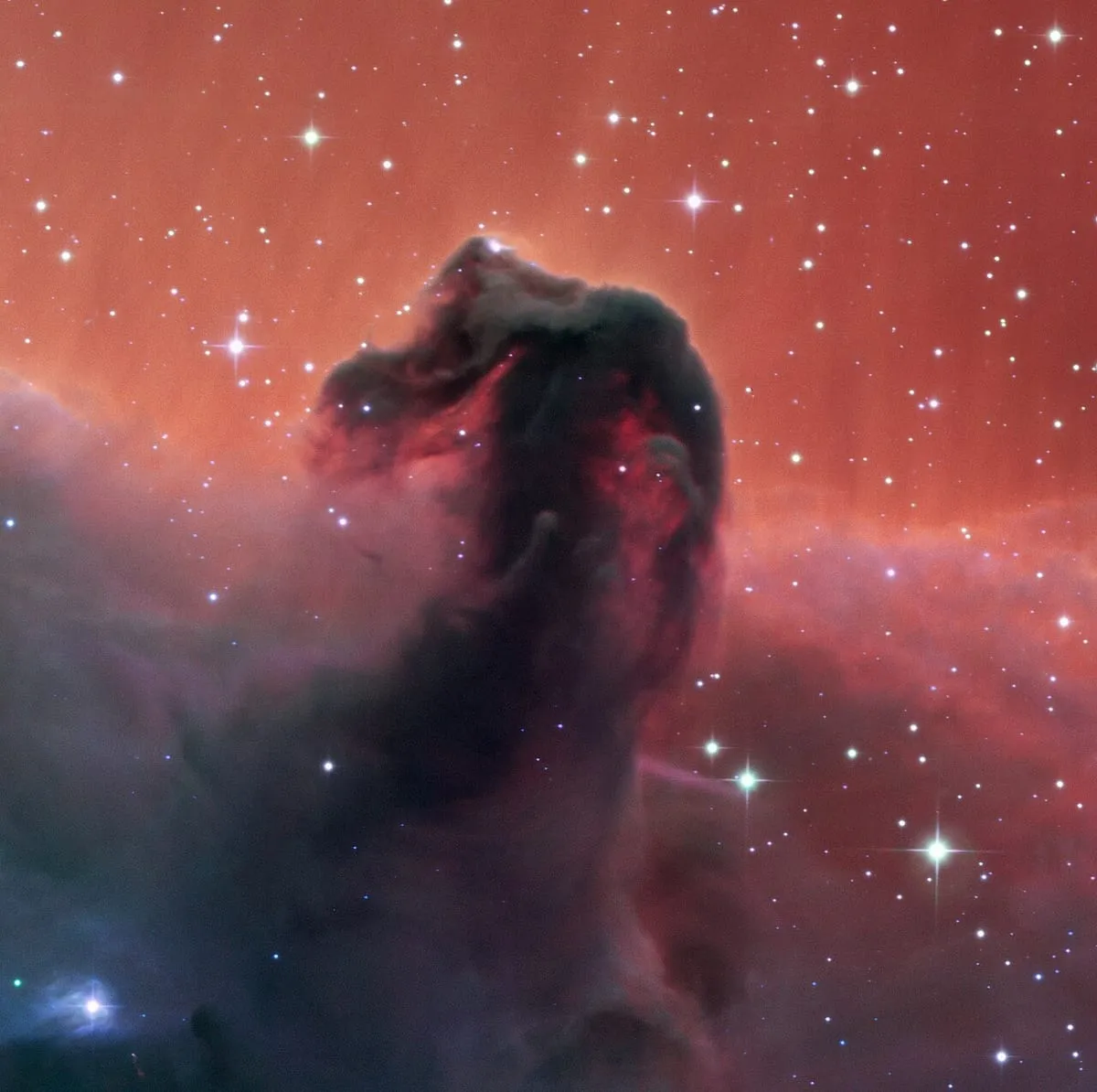
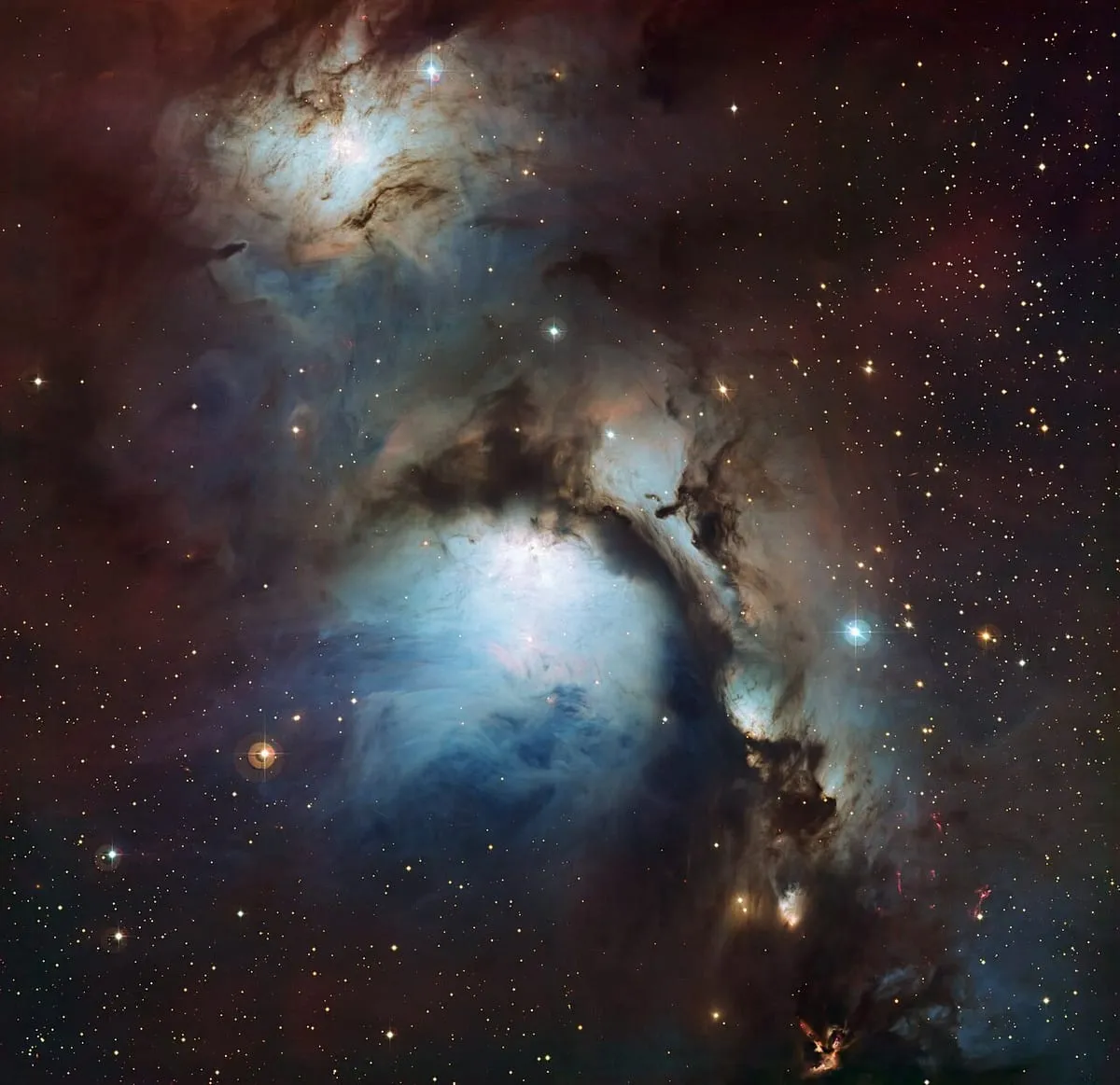
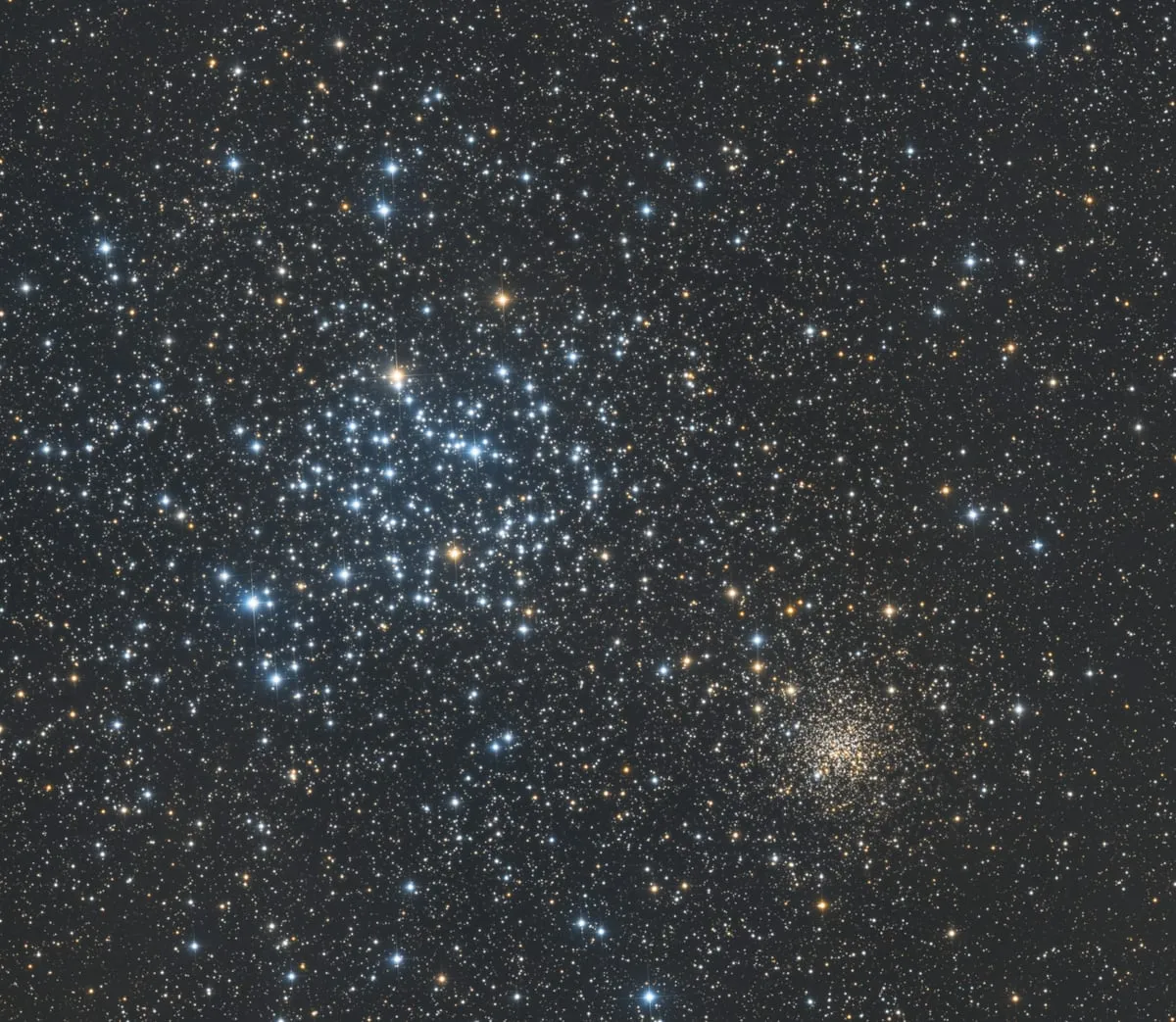
- Witch Head Nebula, Flaming Star Nebula, Large Magellanic Cloud, Crab Nebula, Orion Nebula, Orion & Barnard’s Loop, Horsehead & Flame Nebulae, Messier 78, Messier 35, Monkey Head Nebula, Jellyfish Nebula, Rosette Nebula, Cone Nebula & Christmas Tree Cluster
How to choose a target
Start with your focal length. A 14-35mm lens is for the Milky Way and whole constellations. A 135-300mm telephoto frames big targets like Andromeda, the Pleiades, the North America Nebula and the Heart and Soul. A small refractor (250-600mm) suits most of the well known nebulae and the larger galaxies. Small galaxies and planetary nebulae such as M51 and the Ring Nebula need 800mm or more.
Then think about the Moon and your sky. Galaxies, star clusters and reflection nebulae need a dark, moonless sky and no filter. Emission nebulae can be shot from a city or with the Moon up if you use a dual-band filter.
Shoot targets when they are high. Below about 30° you are looking through a lot more air, haze and light pollution. The best time is usually around when the target crosses the meridian, which is due south from the Northern Hemisphere.